

In recent years, the wine industry has experienced a significant shift towards alternative packaging, with canned wine emerging as a prominent trend. This phenomenon, often referred to as ‘tinnification,’ reflects broader changes in consumer behavior, environmental consciousness, and lifestyle preferences.
What Is 'Tinnification'?
‘Tinnification’ describes the growing trend of packaging wine and cocktails in aluminum cans instead of traditional glass bottles. This shift is driven by several factors:
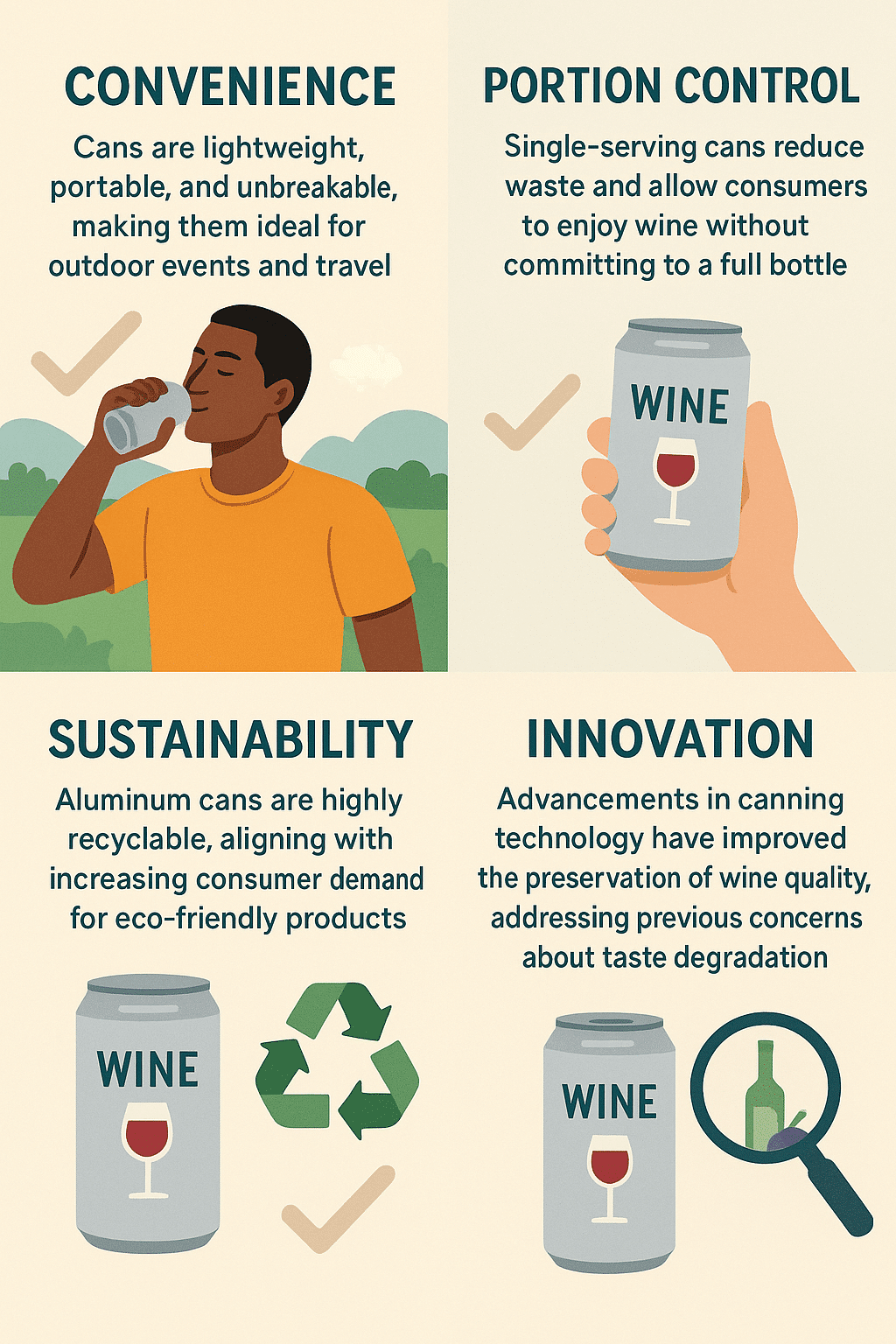
Convenience: Cans are lightweight, portable, and unbreakable, making them ideal for outdoor events and travel.
Portion Control: Single-serving cans reduce waste and allow consumers to enjoy wine without committing to a full bottle.
Sustainability: Aluminum cans are highly recyclable, aligning with increasing consumer demand for eco-friendly products.
Innovation: Advancements in canning technology have improved the preservation of wine quality, addressing previous concerns about taste degradation.The Guardian
Market Growth and Consumer Demand
The global canned wine market is experiencing significant growth. According to a report by Grand View Research, the market size was estimated at USD 112.9 million in 2024 and is projected to reach USD 211.5 million by 2030, growing at a CAGR of 11.1% from 2025 to 2030 . Similarly, another report by Food Beverage Strategies forecasts the market to grow from USD 127.88 million in 2025 to approximately USD 332.46 million by 2034, registering a CAGR of 11.2% during the forecast period .
This growth is largely driven by younger demographics, particularly Millennials and Gen Z, who account for 65% of all canned wine purchases. These consumers favor compact packaging and are more inclined towards products that align with their values of convenience and sustainability .
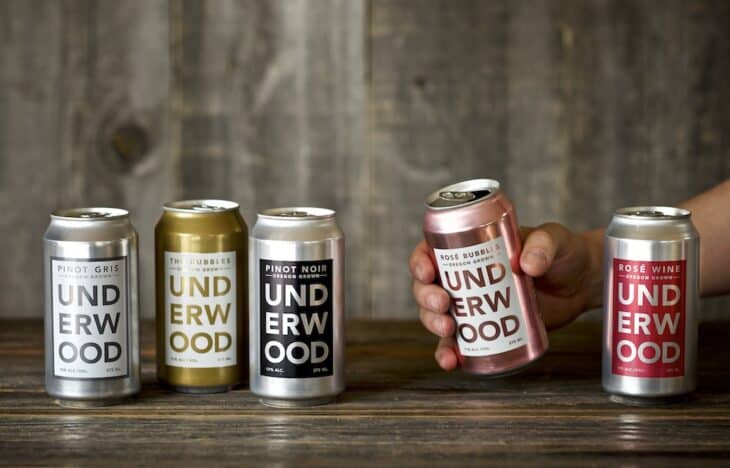
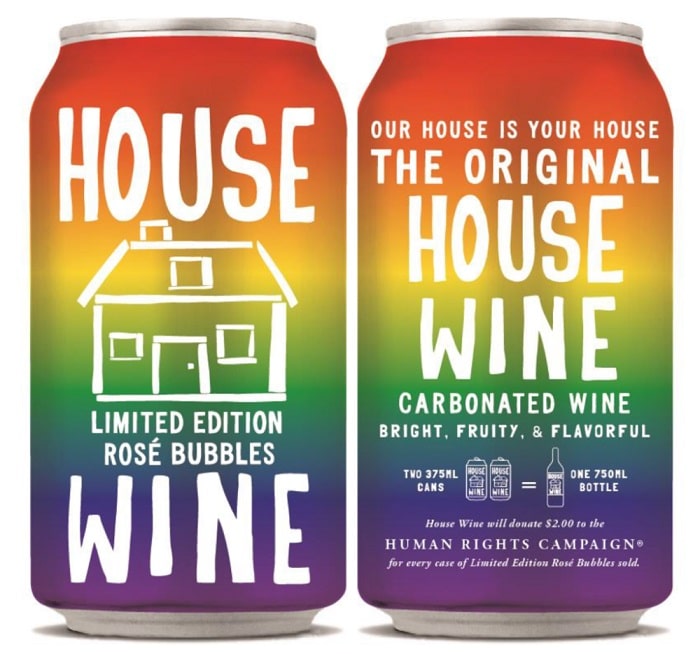
To illustrate the rise of canned wine, here are some visuals showcasing popular canned wine products:

Flavor Innovation and Product Diversity
The canned wine market is not only growing but also diversifying. Producers are expanding their offerings to include a variety of styles such as rosé, red, white, and sparkling wines, as well as wine-based cocktails like sangria and spritzers. Limited-edition seasonal flavors, such as berry-infused rosé and tropical sparkling blends, have been introduced, generating high consumer engagement and encouraging first-time buyers to try canned wines .
Environmental Impact
Sustainability remains a key driver in the adoption of canned wine. Aluminum cans are more recyclable and have a lower carbon footprint than glass bottles. In 2024, advancements in lightweight, recyclable aluminum cans were adopted by 57% of producers, driving a 31% reduction in packaging waste . Consumer surveys indicated that 63% of buyers cited sustainability as a key reason for choosing canned wines, reinforcing the market’s eco-friendly direction.
Conclusion
The rise of ‘tinnification’ signifies a transformative shift in the wine industry, driven by changing consumer preferences, environmental considerations, and innovations in packaging technology. As the market continues to expand, canned wine is poised to become a staple in modern beverage consumption.

Related Posts
Why Premium Pre-Rolls Are Becoming the Preferred Choice for Modern Consumers
Not everyone wants to grind flower, pack cones, or spend time preparing for…

Dr. Chris Croley: Elevating Aesthetics with Authority, Heart, and Innovation
Introduction: A New Chapter Begins In June 2025, aesthetic medicine gained a…
Why More Adults Are Choosing Mango Guava Gummies Instead of Alcohol to Unwind
For decades, unwinding after a long day usually meant pouring a glass of wine,…