

From Startup to Legacy: Entrepreneurs Who Are Redefining Success in 2026
From Startup to Legacy: Entrepreneurs Who Are Redefining Success in 2025
In today’s fast-moving economy, the idea of “success” is being rewritten. Not long ago, building a startup that scaled into a profitable business was the finish line. Founders dreamed of billion-dollar valuations, splashy exits, and public recognition. But in 2025, a new generation of entrepreneurs is redefining what it means to succeed — and it goes far beyond financial metrics.
This new wave of business leaders is focused on legacy, impact, and sustainability. They’re not just building companies to sell; they’re building companies to last. They want to leave a mark, influence culture, and create opportunities that ripple out far beyond their balance sheets.
The Shift from Quick Wins to Long-Term Vision
Over the last decade, we’ve seen the rise and fall of countless startups that scaled too fast, burned through funding, and fizzled before they could mature. The cautionary tales of unicorns that flew too close to the sun — and investors who lost millions — have left their mark on the entrepreneurial ecosystem.
Today’s entrepreneurs are more intentional. Instead of chasing hypergrowth at all costs, they’re asking: How do we build something that lasts 20, 30, or 50 years?
Take Patagonia’s long-term commitment to environmental responsibility. Or Spanx founder Sara Blakely, who turned an idea into a billion-dollar company while staying privately owned and fiercely committed to her values. These are examples modern founders look to when redefining their own vision of legacy.
Success Means More Than Money
The entrepreneurs of 2025 are reimagining what “winning” looks like. Instead of profit alone, they measure success through:
-
Impact on community – How many jobs are created? What opportunities exist for underserved groups?
-
Sustainability – Is the company operating in a way that protects the planet?
-
Cultural influence – Does the brand inspire a lifestyle, a movement, or even a new mindset?
-
Personal alignment – Is the founder building a business that matches their own values and lifestyle goals?
For instance, founders in industries like wellness, wine, and tech are blending lifestyle-driven missions with profitability. A wellness startup may prioritize mental health in the workplace. A vineyard owner may lean into sustainable farming as a non-negotiable. A tech founder might put guardrails around how AI is deployed, ensuring it’s advancing society rather than replacing humanity.
The Rise of the “Lifestyle Entrepreneur”
Another major trend is the rise of entrepreneurs who intentionally design their businesses around the life they want to live. Unlike the grind culture of the 2010s, this new generation values balance.
For them, entrepreneurship is a vehicle for freedom, not just financial gain. They build companies that allow them to travel, spend time with family, and pursue creative passions — while still scaling and generating significant income.
This “lifestyle entrepreneur” isn’t less ambitious; they’re simply more strategic. By leveraging social media, influencer marketing, automation, and global connectivity, they can scale their message without being chained to a desk.
Case Studies: Entrepreneurs Building Legacy in Real Time
-
Wine Meets Tech: In Napa Valley, new-generation vineyard owners are adopting AI to predict crop yields and combat climate change, ensuring their estates remain viable for decades. By doing so, they’re preserving a centuries-old craft while future-proofing their legacy.
-
The Creator Economy: Content entrepreneurs are moving beyond personal brands to build scalable media companies. They’re writing books, launching podcasts, and creating communities that outlast their own involvement.
-
Social Impact Startups: Founders in fintech, edtech, and clean energy are weaving mission into their models. For them, raising capital is not about growth at any cost — it’s about scaling their ability to solve meaningful problems.
Challenges They Face
Of course, building for legacy isn’t easy. Founders encounter unique challenges:
-
Balancing growth and impact: Too much focus on impact, and profits lag. Too much focus on profits, and the mission is compromised.
-
Investor expectations: Many investors are still trained to seek fast returns, not long-term sustainability. Founders often must find backers who share their vision.
-
Burnout prevention: While this new generation resists grind culture, the pressure to perform is still immense.
But despite these hurdles, the entrepreneurs of 2025 are demonstrating that legacy-driven businesses are not only possible — they can be wildly successful.
Why Legacy Matters in 2025
Consumers today are more discerning than ever. They don’t just want to buy a product; they want to buy into a story, a mission, and a movement. Brands that stand for something resonate deeply, especially with Gen Z and millennial consumers.
That’s why legacy-minded entrepreneurs have a competitive edge. By building businesses anchored in purpose, they naturally attract loyal customers, passionate employees, and investors who believe in the bigger picture.
Final Thought: Redefining Your Own Success
If there’s one lesson entrepreneurs can take away in 2025, it’s this: success is no longer one-size-fits-all. For some, it’s still about scaling quickly and selling for millions. But for many, it’s about creating something lasting, something meaningful, and something that leaves the world a little better than they found it.
The entrepreneurs redefining success today are proving that legacy isn’t just a byproduct of business — it can be the driving force behind it. And that shift may be the most important evolution in entrepreneurship we’ll see this decade.

Related Posts
May 30, 2026
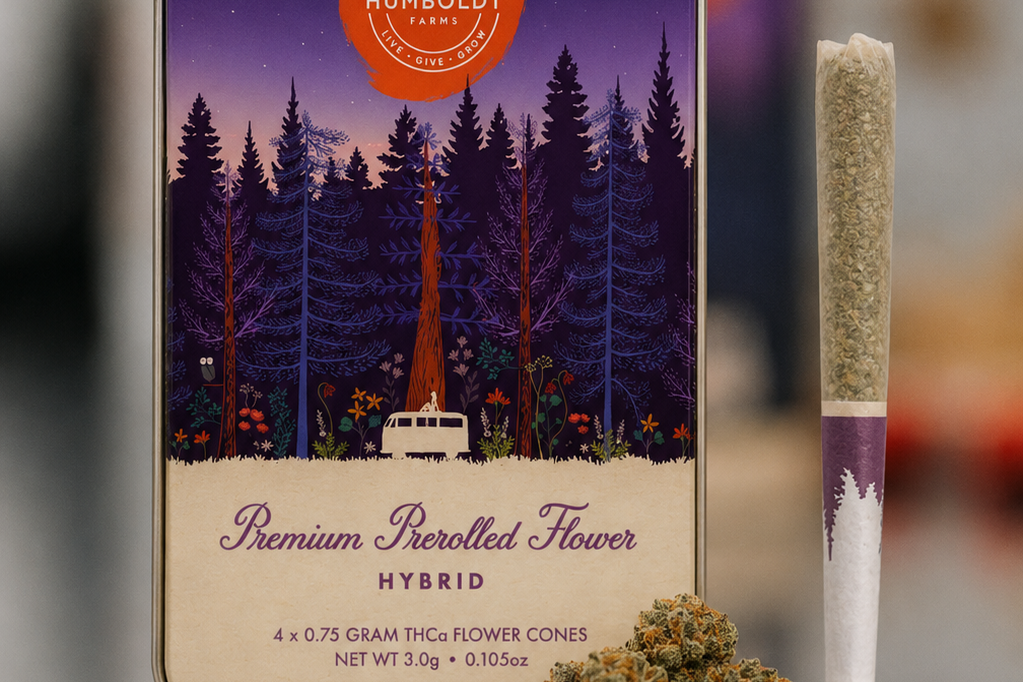
Why Premium Pre-Rolls Are Becoming the Preferred Choice for Modern Consumers
Not everyone wants to grind flower, pack cones, or spend time preparing for…

May 26, 2026
Dr. Chris Croley: Elevating Aesthetics with Authority, Heart, and Innovation
Introduction: A New Chapter Begins In June 2025, aesthetic medicine gained a…
May 20, 2026
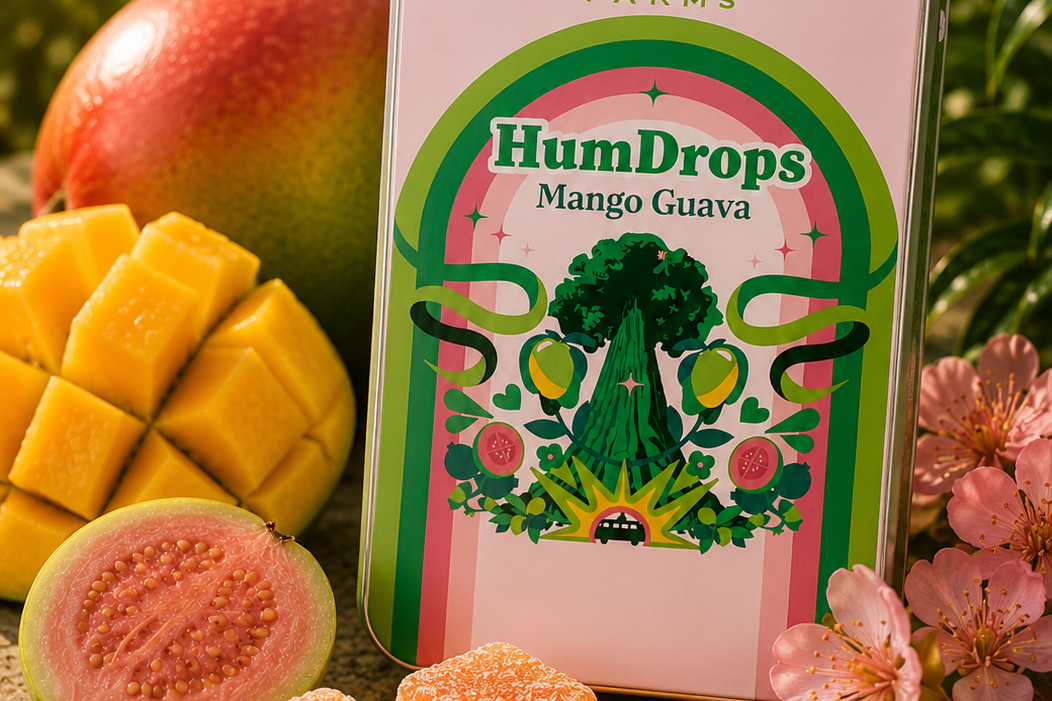
Why More Adults Are Choosing Mango Guava Gummies Instead of Alcohol to Unwind
For decades, unwinding after a long day usually meant pouring a glass of wine,…