

Wine Meets Web3: How Blockchain Is Redefining Authenticity in the Wine World
In the world of fine wine, trust is everything — yet counterfeits, opaque sourcing, and supply chain fraud have long plagued collectors and consumers alike. As we enter 2026, a surprising ally has emerged to restore transparency and confidence to the industry: blockchain technology.
Once reserved for cryptocurrencies, blockchain is now transforming vineyards, cellars, and tasting rooms. From vineyard to glass, it ensures that every bottle’s journey is verifiable, traceable, and authentic — ushering in a new era of digital trust for one of humanity’s oldest crafts.
1. The Counterfeit Problem in the Wine Industry
Wine is big business — and so is wine fraud. Experts estimate that up to 20% of fine wines traded globally may be counterfeit or mislabeled, costing producers and collectors billions each year.
Traditional authentication methods — paper certificates or brand seals — are too easy to forge. That’s where blockchain steps in, providing an immutable digital record for every bottle ever produced.
Each transaction, from vineyard harvest to retail sale, is recorded on a decentralized ledger that cannot be altered or faked, making authenticity instantly verifiable.
2. How Blockchain Works for Wine
At its core, blockchain is a secure digital ledger shared across a network. For winemakers, it acts as a digital passport that travels with each bottle.
Example workflow:
-
The vineyard logs data: grape variety, harvest date, weather conditions.
-
The winery adds fermentation details, aging time, and bottling date.
-
Distributors, retailers, and even consumers scan a QR code or NFC tag linked to the blockchain record.
This creates a transparent supply chain — one where anyone can confirm a bottle’s origin, journey, and authenticity with a single scan.
3. The Rise of Wine NFTs and Digital Provenance
Blockchain isn’t just protecting the physical bottle — it’s also transforming how wine is owned and traded. Enter wine NFTs (non-fungible tokens).
Each NFT represents ownership of a specific bottle, case, or even a barrel, verified on the blockchain. Collectors can:
-
Buy and sell wine virtually before physical delivery.
-
Store bottles in bonded cellars while owning them digitally.
-
Verify provenance instantly, reducing fraud and dispute risk.
Luxury vineyards like Château Margaux and Penfolds are experimenting with tokenized collections, merging centuries-old winemaking heritage with cutting-edge digital ownership.
4. Sustainability and Smart Vineyards
Blockchain’s benefits go beyond authenticity — it’s also helping wineries improve sustainability and traceability.
Through IoT sensors and blockchain integration, winemakers can record environmental data in real time: soil health, water use, pesticide levels, and carbon footprint. This verified data helps eco-conscious consumers make informed choices and rewards sustainable producers with trust and loyalty.
It also supports carbon labeling and ESG reporting, proving that transparency can be both profitable and planet-friendly.
5. The Consumer Experience: Transparency Meets Storytelling
For today’s wine lovers — especially Millennials and Gen Z — story and authenticity matter as much as taste. Blockchain transforms the simple act of uncorking into an interactive digital experience.
By scanning a bottle’s code, consumers can access:
-
The vineyard’s history and winemaker’s notes.
-
Vintage-specific details like rainfall, soil type, and fermentation style.
-
Authentic digital certificates and tasting recommendations.
In essence, blockchain allows each bottle to tell its own story — one rooted in truth, craftsmanship, and connection.
6. Challenges and the Road Ahead
Of course, blockchain in wine isn’t without hurdles. High setup costs, technical know-how, and standardization issues have slowed adoption. However, industry collaborations and startups like Everledger and VinID are leading the charge toward scalable, affordable solutions.
As blockchain integrates with AI, IoT, and supply chain automation, it’s poised to become as essential to winemaking as barrels and corks.
Conclusion
Wine has always been about heritage, trust, and storytelling — and now, technology is amplifying those values. Blockchain is not replacing tradition; it’s protecting it.
By ensuring authenticity, transparency, and sustainability, this digital innovation bridges the gap between ancient vineyards and modern consumers.
In 2026 and beyond, every great bottle of wine won’t just be tasted — it’ll be traced, trusted, and tokenized.
Because in the age of Web3, the finest wines don’t just age beautifully — they age transparently.
Related Posts
May 16, 2026
Nicholson Ranch: A Sonoma Estate with Soul
Tucked along Highway 121 between Sonoma and Napa Valleys, Nicholson Ranch…
May 13, 2026
The Power of LIVE Social Selling on TikTok: Why Wine Is the Next Big Thing (Stats, Stories & Strategies)
If you’ve ever dreamed of turning your love for wine into a vibrant online…
May 11, 2026
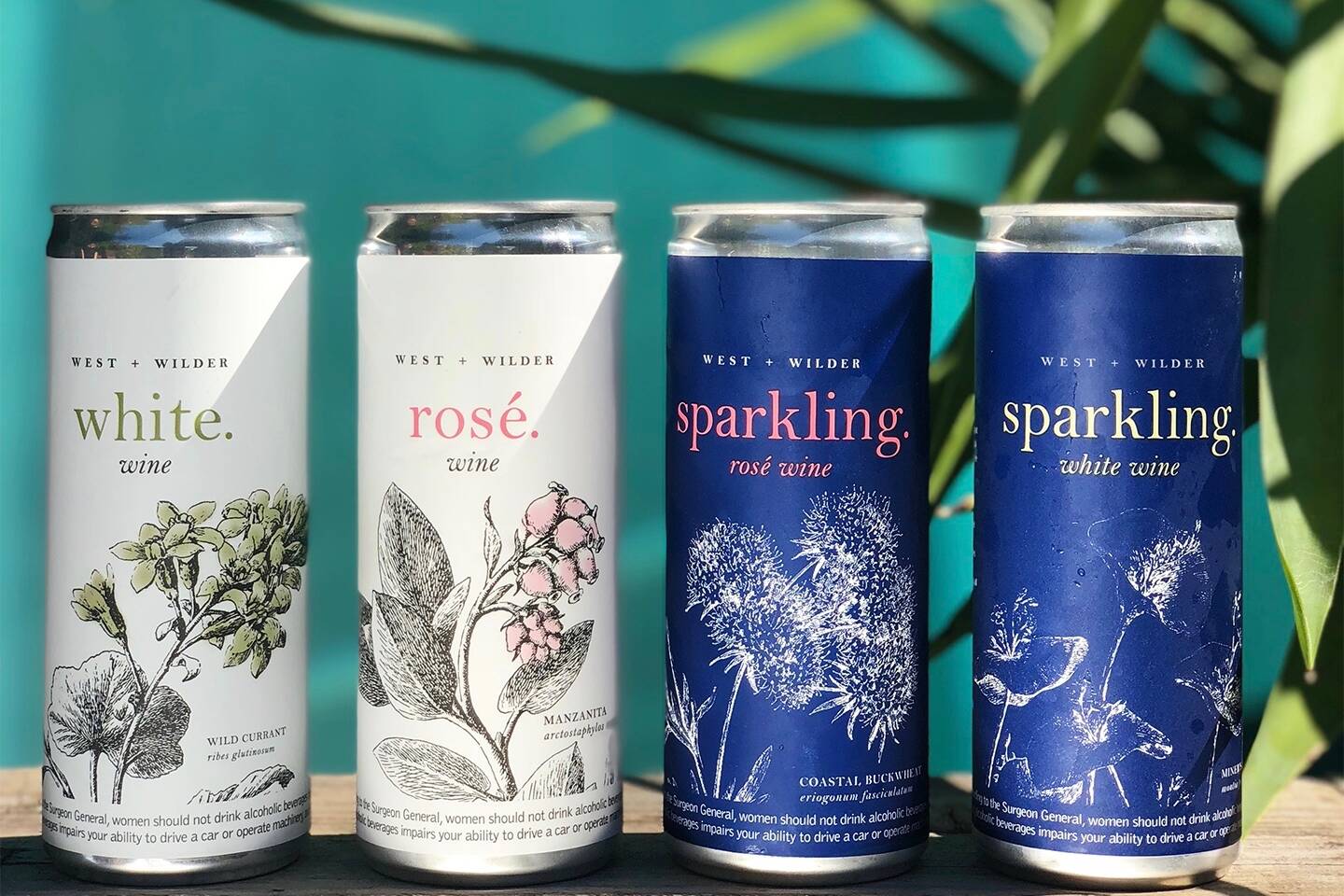
The Rise of ‘Tinnification’: Why Canned Wine Is Taking Over
In recent years, the wine industry has experienced a significant shift towards…