

The Digital Sommelier: How AI Is Transforming the Wine Experience
Wine has always been about art, emotion, and human craftsmanship. From the gentle slope of a vineyard to the subtle aromas released from an aged bottle, every sip tells a story centuries in the making. But in 2026, that story is being rewritten — by artificial intelligence.
The rise of AI-driven personalization, data analytics, and predictive flavor modeling has created a new frontier for the wine industry. What was once guided solely by palate and tradition is now enhanced by precision, insight, and technology. The result? A seamless fusion of heritage and innovation — the era of the digital sommelier.
1. From Vine to Algorithm: The AI Revolution in Winemaking
Winemaking has always balanced art and science, but AI is elevating it to a level once thought impossible. Leading vineyards across Europe, Australia, and California now use machine learning algorithms to optimize every stage of production — from soil analysis to fermentation control.
Sensors placed throughout vineyards collect real-time data on moisture, temperature, sunlight, and nutrient levels. This data is then analyzed by AI models that predict the perfect harvest time, irrigation needs, and even how subtle climate variations might affect future vintages.
According to a 2026 WineTech Insights report, vineyards using AI-driven monitoring systems have achieved 15–20% higher yield efficiency and more consistent quality compared to traditional methods.
AI isn’t replacing winemakers — it’s empowering them. It gives vintners the ability to make data-informed artistic choices, combining generations of intuition with cutting-edge precision.
2. Personalized Palates: The Rise of AI Wine Recommendations
Gone are the days of generic wine lists and guesswork. AI has ushered in a new era of personalized taste discovery.
Platforms like Vivino and Wine Ring are leveraging AI to analyze thousands of flavor profiles and user preferences, creating recommendation engines that understand your palate better than you do. These systems don’t just ask if you like “dry” or “sweet” — they decode your sensory fingerprint.
Through neural network training, these AIs learn how users describe wines, how they rate them, and what flavor notes they subconsciously prefer (for example, a subtle oakiness or crisp acidity). They then recommend bottles that match not only taste but mood, occasion, and even cuisine pairing.
The result is an ultra-personalized experience that feels like having a world-class sommelier in your pocket — one that never forgets your preferences.
3. Smart Cellars and AI-Powered Collections
High-end collectors are also embracing the AI revolution through smart cellar technology. These intelligent storage systems monitor and manage wine collections with remarkable accuracy — tracking temperature, humidity, bottle aging, and even market value.
Apps like WineCab and CellarTracker use machine learning to assess a bottle’s ideal drinking window, suggest pairing menus, and track provenance. Some systems even use computer vision to scan and catalog labels automatically.
For investors, AI can predict which vintages are likely to appreciate in value based on historical data, critic scores, and global demand. In essence, the digital sommelier is also becoming a digital broker, bridging the worlds of taste and investment.
4. AI in the Tasting Room: Augmented Experiences
The wine-tasting experience is also undergoing a digital transformation. Luxury wineries now offer AI-powered tasting sessions, where guests receive customized flights based on biometric feedback and preference learning.
Imagine entering a vineyard in Bordeaux and being greeted by an AI host that tailors your tasting journey. As you sip, sensors capture subtle reactions — heart rate, facial expression, micro-expressions — and adapt recommendations accordingly.
Some wineries are even experimenting with virtual and augmented reality tastings, allowing enthusiasts to explore vineyards from anywhere in the world. AI curates immersive experiences, guiding guests through terroir history, winemaking philosophy, and tasting notes with real-time translation and interactive storytelling.
The traditional charm of the vineyard remains — but now it’s paired with hyper-personalized digital magic.
5. Data-Driven Distribution: How AI Is Redefining the Wine Market
Beyond the tasting room, AI is transforming how wine reaches consumers. Predictive analytics tools now forecast demand by region, season, and even local events, allowing producers to optimize logistics and reduce waste.
AI-driven inventory management platforms, like those used by major distributors, analyze consumer trends in real time. For example, if rosé sales spike during a heatwave or holiday weekend, systems automatically reroute shipments to meet demand.
For small vineyards, this technology is revolutionary. It enables micro-distribution strategies — ensuring each bottle reaches the right audience at the right time without the need for massive marketing budgets.
The result is a more sustainable, efficient wine ecosystem where AI connects growers, distributors, and drinkers seamlessly.
6. The Human Element: Artistry Meets Intelligence
While AI enhances the wine industry’s efficiency and personalization, one truth remains constant — wine is ultimately about human connection.
The greatest vintages tell stories that transcend data. They capture emotion, tradition, and the essence of place — something no algorithm can replicate. AI may guide the process, but it’s still the winemaker’s heart, passion, and creativity that breathe soul into every bottle.
The digital sommelier doesn’t replace the human sommelier; it elevates them. With AI handling data-driven insights, sommeliers can focus on what they do best — crafting emotional experiences, building relationships, and sharing their love of wine in ever more personal ways.
7. The Future of Wine: Intelligent Indulgence
By 2030, experts predict the global “smart wine” market will exceed $15 billion, driven by AI innovation and connected consumer experiences. The fusion of AI and viticulture will create a world where technology enhances every stage of the journey — from vine to glass.
The next time you pour a glass of Pinot Noir or Cabernet Sauvignon, you might be tasting more than just wine. You’ll be savoring the result of algorithms that balanced the soil pH, predicted fermentation curves, optimized logistics, and matched your unique palate.
It’s not just about drinking smarter — it’s about experiencing wine in a new dimension.
Conclusion
The AI revolution in wine is not a disruption — it’s an evolution. It honors tradition while embracing progress, blending centuries-old craftsmanship with modern intelligence.
In a world where personalization is everything, the digital sommelier symbolizes a future where technology deepens our relationship with the sensory world. It’s a reminder that innovation doesn’t have to replace humanity — it can refine it.
And in that balance between art and algorithm, we discover the true beauty of progress — a glass raised not just to the past, but to the intelligent, connected, and sustainable future of wine.

Related Posts
May 16, 2026
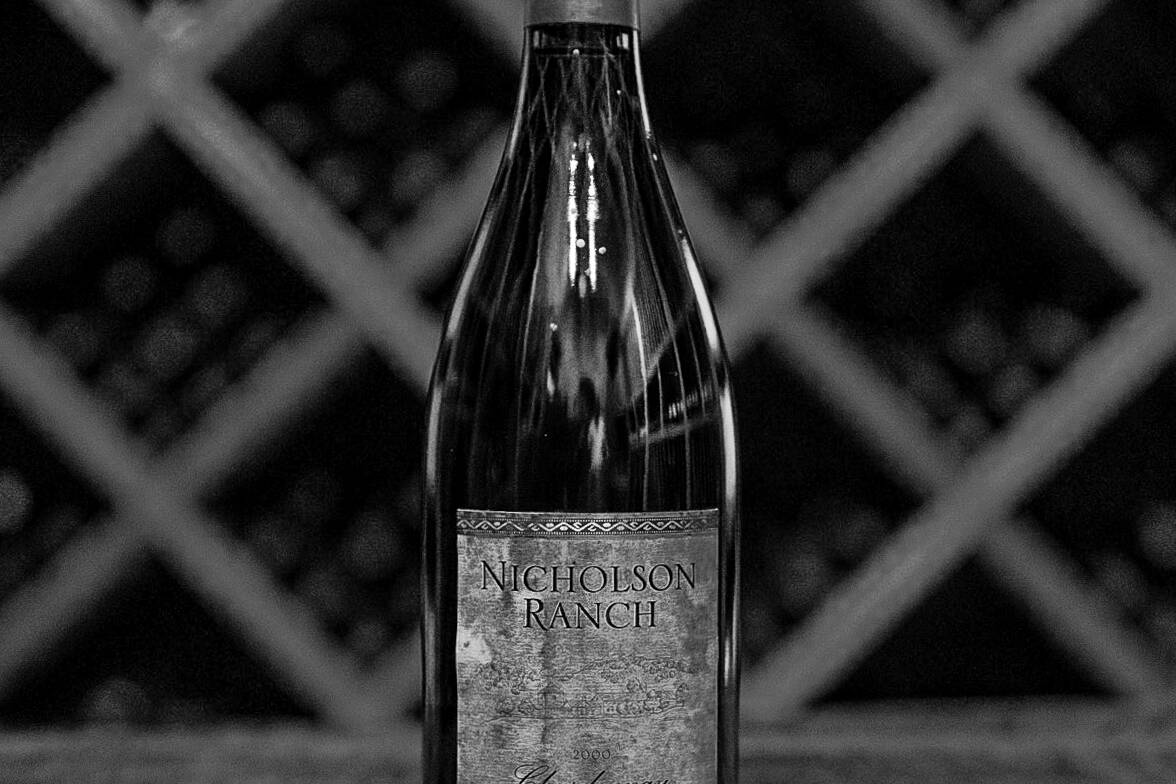
Nicholson Ranch: A Sonoma Estate with Soul
Tucked along Highway 121 between Sonoma and Napa Valleys, Nicholson Ranch…
May 13, 2026
The Power of LIVE Social Selling on TikTok: Why Wine Is the Next Big Thing (Stats, Stories & Strategies)
If you’ve ever dreamed of turning your love for wine into a vibrant online…
May 11, 2026
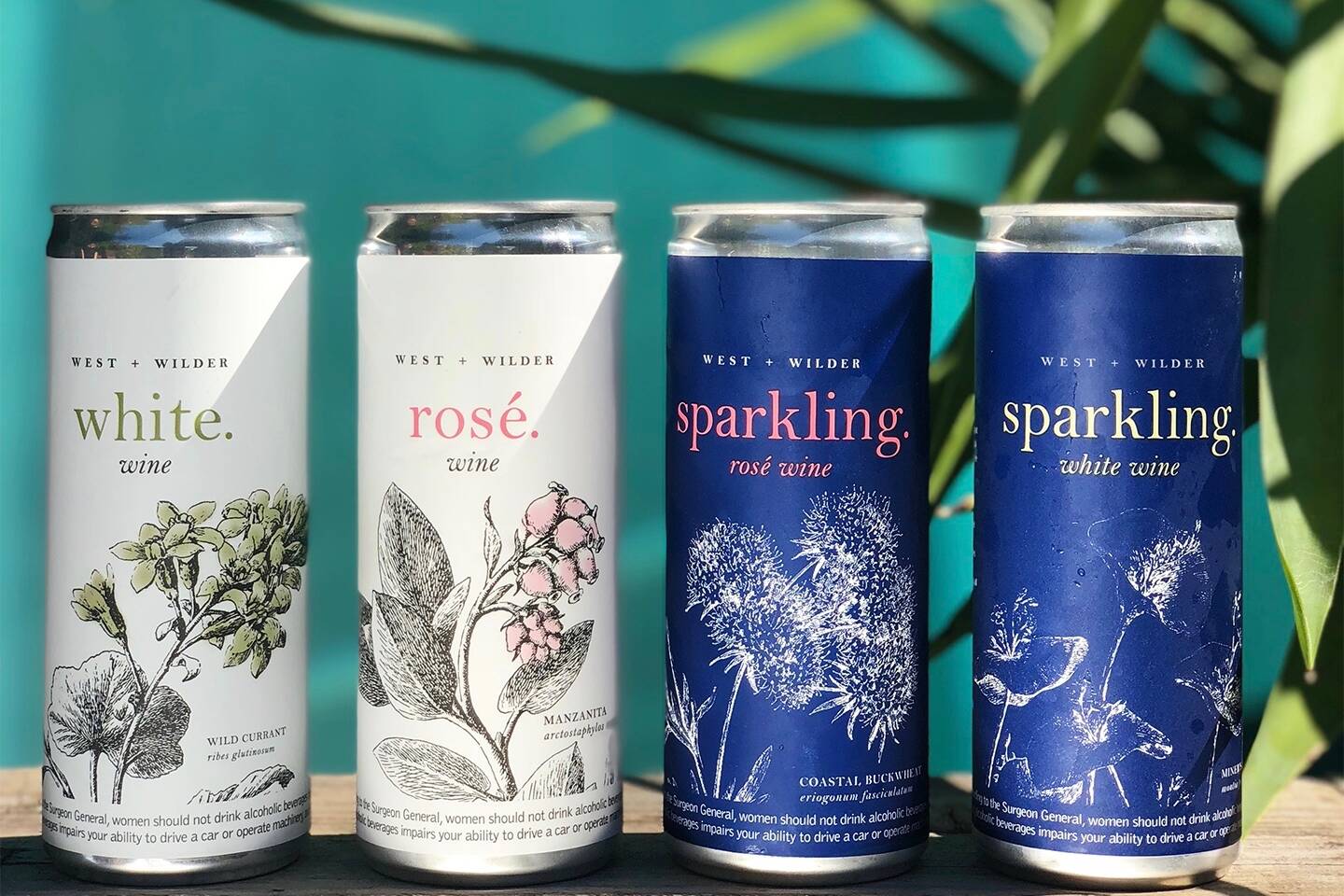
The Rise of ‘Tinnification’: Why Canned Wine Is Taking Over
In recent years, the wine industry has experienced a significant shift towards…