

The Next Frontier: How Generative AI Is Transforming Business Creativity
Once upon a time, creativity was considered uniquely human — a spark of imagination that machines could never replicate. Yet today, Generative AI is rewriting that narrative. From producing original designs to composing music and crafting entire marketing campaigns, AI is no longer just assisting creativity; it’s actively collaborating in it.
As the boundaries between human intuition and machine intelligence blur, businesses are entering a new creative frontier. This transformation isn’t about replacing artists, writers, or designers — it’s about amplifying their potential to create, innovate, and scale ideas faster than ever before.
1. The Rise of Generative Intelligence
Generative AI refers to systems capable of creating new content — text, images, audio, or even video — based on patterns they’ve learned from vast datasets. Unlike traditional AI, which analyzes existing information, generative AI produces original outputs that mimic human creativity.
In business, the applications are staggering:
-
Marketing teams are using AI to craft ad copy and social media campaigns that adjust in real-time to audience reactions.
-
Designers are leveraging tools like Midjourney and DALL·E to generate concepts and iterate faster.
-
Developers use AI to write code, debug, and prototype software.
-
Product teams simulate designs, packaging, and user interfaces before ever touching a physical prototype.
This evolution has transformed creative industries into innovation ecosystems powered by data, imagination, and algorithms.
2. Creativity at Scale
Generative AI’s biggest advantage isn’t just speed — it’s scalability.
Traditionally, creativity was limited by time, resources, and human bandwidth. Now, businesses can produce thousands of design variations, content drafts, or ad visuals within minutes.
For instance:
-
A fashion brand can generate entire collections digitally to test trends before production.
-
A real estate company can render properties in multiple styles for virtual tours.
-
Marketing teams can personalize messaging for millions of customers based on real-time data.
By turning creativity into a scalable asset, generative AI helps companies innovate continuously — not seasonally.
3. The Human–AI Collaboration
The misconception that AI will replace human creativity is fading fast. The truth? AI enhances it. Humans bring emotional intelligence, storytelling, and context — while AI contributes speed, structure, and experimentation.
Successful creative teams now operate as hybrids:
-
Copywriters use AI tools like ChatGPT to brainstorm campaign slogans or test narrative tones.
-
Artists employ generative models to spark visual inspiration.
-
Musicians and filmmakers use AI to accelerate post-production and explore new aesthetics.
The synergy between human judgment and machine precision enables higher-quality outcomes and richer creative possibilities.
4. The Ethical Dimension of AI Creativity
As with all powerful tools, generative AI introduces ethical challenges.
Who owns AI-generated content? How do we protect artists from intellectual property misuse? And how can we prevent bias within AI-generated outputs?
Responsible companies are adopting AI ethics frameworks to ensure transparency, fairness, and accountability. The focus is on maintaining authenticity — ensuring that AI enhances creativity without erasing the human fingerprint that gives it soul.
Brands leading the way are:
-
Disclosing AI involvement in their campaigns.
-
Prioritizing fair-use datasets for training models.
-
Investing in tools that detect plagiarism or bias in generated work.
These practices will define the next era of ethical AI-driven creativity.
5. Redefining the Creative Economy
Generative AI is also changing the economics of creativity. What was once limited to elite agencies or large production budgets is now accessible to small businesses, freelancers, and creators everywhere.
For example:
-
Startups use AI for branding, pitch decks, and website design.
-
Independent filmmakers generate concept art or sound design with minimal cost.
-
E-commerce sellers create product imagery and descriptions in hours instead of weeks.
The democratization of creativity means innovation no longer depends solely on resources — but on vision and strategy.
6. The Future of Creative Intelligence
Looking ahead, the next generation of generative AI will become more intuitive and emotionally aware. These systems will understand not only what to create but why — interpreting brand tone, audience emotion, and cultural nuance.
Imagine AI that can:
-
Generate campaign ideas aligned with social movements.
-
Produce art that resonates with cultural trends.
-
Collaborate with humans in real time on virtual canvases or in digital studios.
This fusion of empathy and computation will define the future of creative intelligence.
Conclusion
Generative AI is not the end of human creativity — it’s its next evolution. By merging analytical power with artistic imagination, businesses are redefining how ideas are born, refined, and shared with the world.
In the coming years, the most successful companies won’t be those that simply use AI tools, but those that co-create with them — turning data into stories, and algorithms into artistry.
Because in this new era of innovation, creativity is no longer confined to the human mind — it’s powered by the collaboration between minds and machines.

Related Posts
May 30, 2026
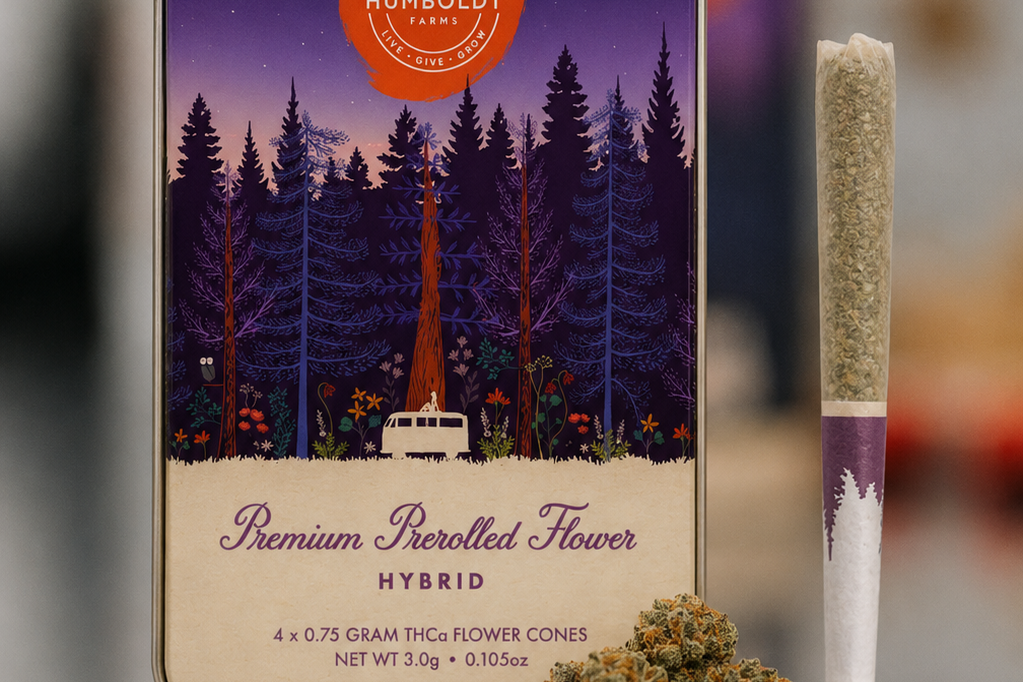
Why Premium Pre-Rolls Are Becoming the Preferred Choice for Modern Consumers
Not everyone wants to grind flower, pack cones, or spend time preparing for…

May 26, 2026
Dr. Chris Croley: Elevating Aesthetics with Authority, Heart, and Innovation
Introduction: A New Chapter Begins In June 2025, aesthetic medicine gained a…
May 20, 2026
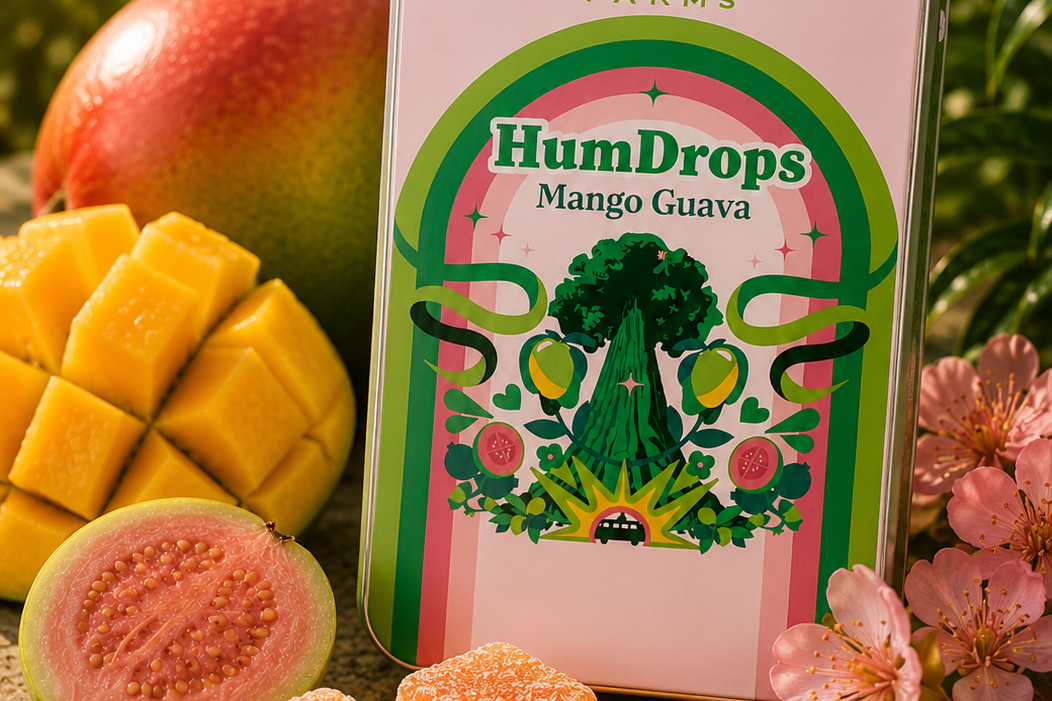
Why More Adults Are Choosing Mango Guava Gummies Instead of Alcohol to Unwind
For decades, unwinding after a long day usually meant pouring a glass of wine,…