

From Startup to Scale-Up: Building Sustainable Growth in a Fast-Changing World
Starting a business is a thrilling leap of faith — scaling it successfully is a far greater challenge. Many startups burn bright but fade fast, falling into the trap of chasing rapid growth without building the foundations for sustainability.
In today’s volatile economy, where technology evolves faster than business models, scaling isn’t just about speed — it’s about stability, adaptability, and purpose. The world no longer rewards companies that grow recklessly. Instead, investors and consumers alike value those that grow intelligently, balancing profit with long-term impact.
So how can founders evolve from startup dreamers to strategic scale-up leaders? Let’s explore the blueprint for sustainable expansion in the modern business era.
1. Redefining Growth: From “More” to “Better”
The startup world was once dominated by a “growth-at-all-costs” mentality. Funding rounds, user counts, and viral marketing were seen as markers of success. But as the economy stabilizes after waves of disruption — from pandemics to AI revolutions — a new philosophy has emerged: sustainable growth.
This new approach focuses on:
-
Profitability over popularity. Growth should be healthy, not inflated by debt or overvaluation.
-
Efficiency over expansion. Scaling operations should enhance quality, not stretch resources too thin.
-
Purpose over profit. Modern consumers support brands with values that reflect social and environmental responsibility.
Companies like Patagonia, Canva, and Atlassian have proven that purpose-driven scaling creates not only loyal customers but also resilient, long-lasting brands.
2. The Infrastructure of Scale
To scale sustainably, startups must invest in systems before sales. Rapid growth without proper infrastructure is a recipe for chaos.
Key pillars of scalable infrastructure include:
-
Automation: Streamline repetitive workflows through tools like Zapier, HubSpot, or custom AI integrations.
-
Cloud architecture: Adopt flexible, scalable systems that grow with demand.
-
Data-driven decision-making: Use analytics to anticipate customer needs, not just react to them.
-
Customer experience systems: Build strong CRM pipelines that retain users even as your audience grows.
As Shopify’s early team often said, “Scale is not about doing more — it’s about doing smarter.” By laying this foundation, businesses prevent operational cracks from appearing as they grow.
3. Culture: The Soul of Scaling
A company’s culture is often its greatest asset — and biggest risk — when scaling. What starts as a small, tight-knit team with shared energy can fracture as headcount expands and hierarchies emerge.
Sustainable growth means protecting culture as fiercely as profit. This requires:
-
Clarity of vision: Everyone must understand the company’s “why.”
-
Empowerment: Encourage decision-making at all levels.
-
Adaptability: Embrace change as part of the process, not a disruption.
Remote and hybrid work environments add another layer of complexity, but also opportunity. Leaders who communicate transparently and foster psychological safety build teams that stay engaged through every growth phase.
4. The Power of Strategic Partnerships
Scaling doesn’t always mean going it alone. Some of the world’s fastest-growing companies — from Airbnb to Uber — accelerated growth through strategic partnerships that extended their reach and resources.
Partnerships provide:
-
Access to new markets.
-
Shared technology or distribution channels.
-
Mutual brand credibility.
For startups, collaborating with established players can provide leverage and learning opportunities that would otherwise take years to build. Strategic alliances, when aligned with company values, turn scaling into a shared journey rather than a solo sprint.
5. Funding with Purpose
Growth capital is essential — but not all funding is created equal. Many startups fall into the trap of over-raising and under-planning, leading to diluted ownership or investor-driven pivots that derail vision.
The rise of impact investing has changed that narrative. Today’s investors seek more than financial returns — they want to back companies making positive change in society. Founders who integrate ESG principles (Environmental, Social, Governance) into their strategies attract both ethical and stable funding.
As the saying goes, “Smart money follows smart missions.” A startup with purpose is far more resilient than one fueled only by profit.
6. Tech-Driven Agility
Technology is both the greatest enabler and the biggest threat to modern businesses. AI, automation, and digital platforms are rewriting every rule — but they’re also giving startups tools to scale faster and smarter.
Some key trends shaping scale-up success include:
-
AI-driven analytics: Identify trends and customer behaviors instantly.
-
Automation of workflows: Free teams from repetitive tasks.
-
SaaS scalability: Cloud tools allow for flexible, global operations without massive overhead.
The startups of tomorrow will scale not through manpower alone, but through machine-powered efficiency that complements human creativity.
7. The Long Game: Resilience Over Hype
True scaling is not about how quickly you grow — it’s about how long you last. The businesses that endure are those that prioritize adaptation, not acceleration.
They plan for:
-
Economic fluctuations.
-
Shifts in consumer behavior.
-
Technological disruption.
By embedding resilience into their strategy — whether through diversified revenue, sustainable supply chains, or flexible business models — founders build scale-ups capable of thriving through uncertainty.
Conclusion
Scaling a startup is a balancing act between ambition and sustainability, innovation and discipline, vision and execution. It’s not just about bigger numbers — it’s about building something that lasts.
The most successful founders of this decade will be those who understand that scaling isn’t a sprint to the top; it’s a strategic ascent — one that demands purpose, people, and patience.
Because in the end, a true scale-up doesn’t just grow fast — it grows forever forward.

Related Posts
May 30, 2026
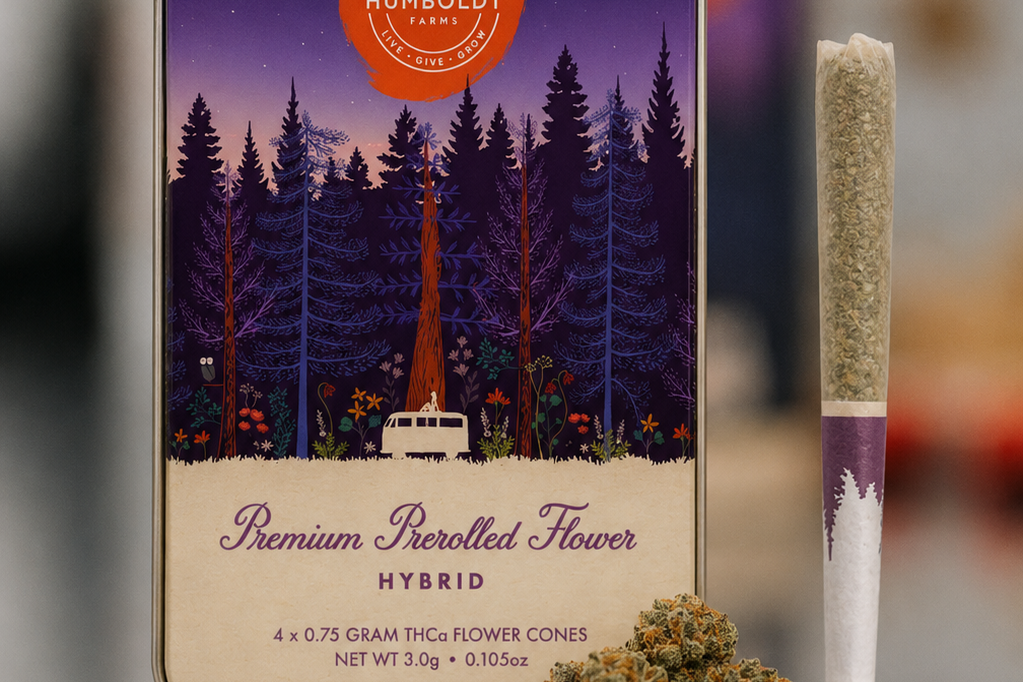
Why Premium Pre-Rolls Are Becoming the Preferred Choice for Modern Consumers
Not everyone wants to grind flower, pack cones, or spend time preparing for…

May 26, 2026
Dr. Chris Croley: Elevating Aesthetics with Authority, Heart, and Innovation
Introduction: A New Chapter Begins In June 2025, aesthetic medicine gained a…

May 20, 2026
Why More Adults Are Choosing Mango Guava Gummies Instead of Alcohol to Unwind
For decades, unwinding after a long day usually meant pouring a glass of wine,…