

The New Vintage: How Technology and Sustainability Are Rewriting the Future of Wine
Wine has always been a story of tradition — the soil, the sun, and the soul of the vineyard. But in 2026, that story is being rewritten. From AI-driven vineyards to blockchain traceability and climate-smart viticulture, the wine world is embracing technology without losing its romance.
This is the new vintage — where innovation meets heritage, and where sustainability, precision, and storytelling define what’s in your glass. The result? A future where every sip is not just about flavor, but about ethics, transparency, and connection.
1. Smart Vineyards: Where AI Meets Agriculture
Modern winemaking begins long before harvest. Across Napa, Bordeaux, and the Barossa Valley, vineyards are now equipped with IoT sensors, drones, and AI-powered monitoring systems that track everything from soil moisture to vine health.
These technologies allow winemakers to:
-
Optimize irrigation with data instead of guesswork.
-
Detect diseases before they spread.
-
Predict yield and grape quality based on real-time environmental data.
The result is not just efficiency — it’s resilience. With unpredictable weather and shifting climates, AI helps vintners adapt faster than ever before, ensuring consistent quality and sustainability.
2. Climate Change and the Rise of New Wine Regions
As temperatures rise, traditional regions face challenges — but innovation thrives on change. Climate modeling tools now help winemakers select grape varieties that suit evolving microclimates.
Surprisingly, new wine frontiers are emerging:
-
England is producing sparkling wines rivaling Champagne.
-
Oregon and British Columbia are seeing booming Pinot Noir production.
-
China and Scandinavia are investing heavily in cold-resistant grapes.
The global wine map is shifting, and so is the definition of terroir — proving that tradition and technology can coexist in surprising harmony.
3. Blockchain and Transparency: The Digital Sommelier
Consumers today care as much about where their wine comes from as how it tastes. In response, many wineries are adopting blockchain technology to verify authenticity and trace each bottle’s journey — from grape to glass.
Using a simple QR code, wine lovers can now access details about:
-
The vineyard’s sustainability practices.
-
Harvest dates and fermentation methods.
-
The carbon footprint and shipping route.
This new level of transparency builds trust and storytelling power — two of the most valuable currencies in modern luxury markets.
4. Sustainability as the New Prestige
Luxury in 2026 isn’t defined by price — it’s defined by principles. Wineries that once focused solely on exclusivity are now leading with sustainability and ethics.
Leading examples include:
-
Solar-powered wineries reducing energy consumption.
-
Regenerative farming that restores soil biodiversity.
-
Recyclable and lightweight packaging to reduce emissions.
Even fine-dining establishments are adapting, curating wine lists that highlight organic, biodynamic, and low-intervention producers. Consumers no longer just want wine that tastes good — they want wine that feels good to support.
5. The Digital Tasting Room
The pandemic accelerated a revolution in how people discover and enjoy wine. In 2026, virtual tastings and metaverse wine experiences are not just novelties — they’re mainstream.
Top wineries now host immersive tastings using VR headsets and haptic feedback, allowing guests to “visit” vineyards, meet winemakers, and even explore cellar rooms from home.
Meanwhile, AI-driven recommendation engines curate personalized tasting flights based on a user’s palate profile — bringing a sommelier-level experience to the digital age.
This fusion of digital and sensory experience has democratized wine appreciation, making fine wine accessible to a global, tech-savvy audience.
6. The Return of Craft and Human Touch
Despite all the innovation, the heart of winemaking remains profoundly human. As technology handles data and logistics, winemakers are doubling down on artistry, emotion, and narrative.
The new generation of vintners embraces tech but resists industrialization — choosing small-batch production, creative blends, and storytelling labels that celebrate craftsmanship.
They understand that wine’s magic lies not just in chemistry, but in connection — between nature, maker, and drinker.
7. The Business of Experience: From Bottles to Lifestyle
Wineries are no longer just selling bottles; they’re selling experiences.
From vineyard stays to gastronomic tours, from art collaborations to NFT-based wine clubs, the focus is on creating emotional engagement that lasts far beyond the last sip.
Some luxury estates even offer wine-backed digital collectibles, where each NFT corresponds to a limited vintage, stored securely and delivered upon request. It’s a fusion of heritage and high-tech investment culture.
In this new era, prestige comes not from scarcity alone — but from authentic experiences and shared stories.
Conclusion
The future of wine is not about replacing tradition — it’s about enhancing it. The vineyards of tomorrow will be smarter, more sustainable, and more transparent, yet still rooted in the timeless rituals that make wine an art form.
As technology and sustainability converge, wine becomes more than a luxury — it becomes a reflection of our values.
Because in 2026, the finest wines are not just crafted from grapes — they’re crafted from innovation, integrity, and purpose.
The glass you raise today tells the story of a planet, a people, and a promise — that progress and pleasure can coexist beautifully.

Related Posts
May 16, 2026
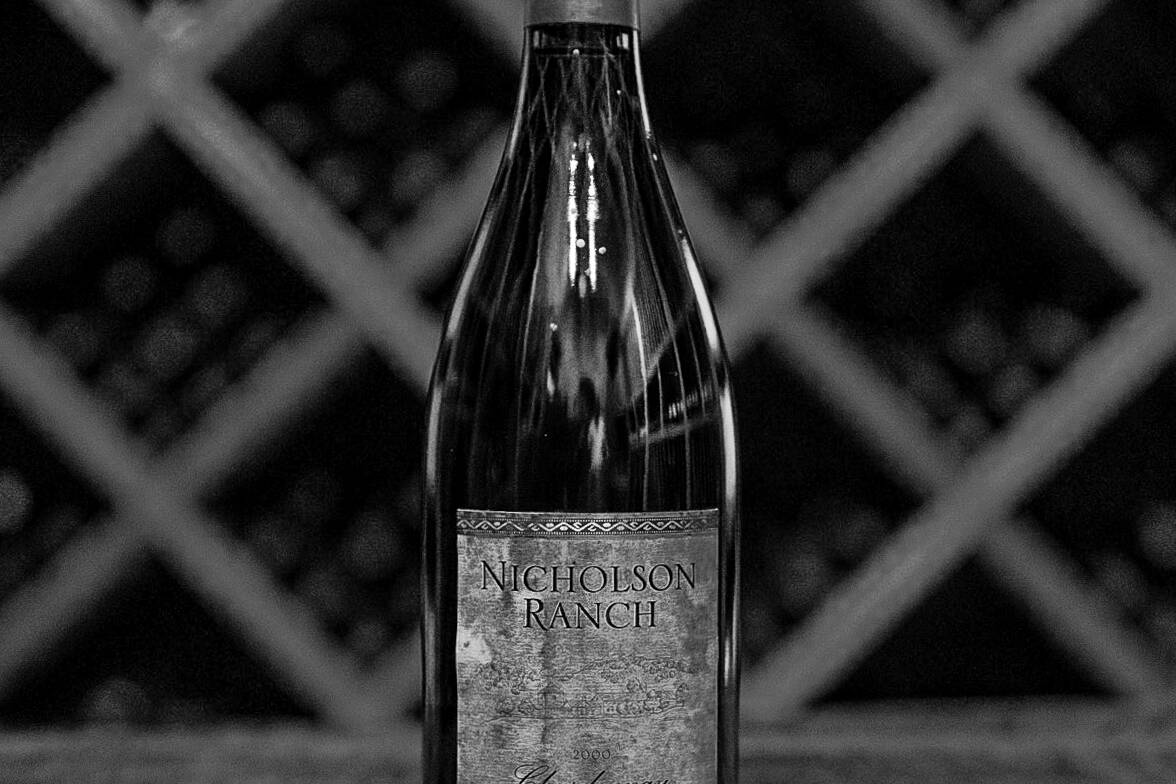
Nicholson Ranch: A Sonoma Estate with Soul
Tucked along Highway 121 between Sonoma and Napa Valleys, Nicholson Ranch…

May 13, 2026
The Power of LIVE Social Selling on TikTok: Why Wine Is the Next Big Thing (Stats, Stories & Strategies)
If you’ve ever dreamed of turning your love for wine into a vibrant online…
May 11, 2026
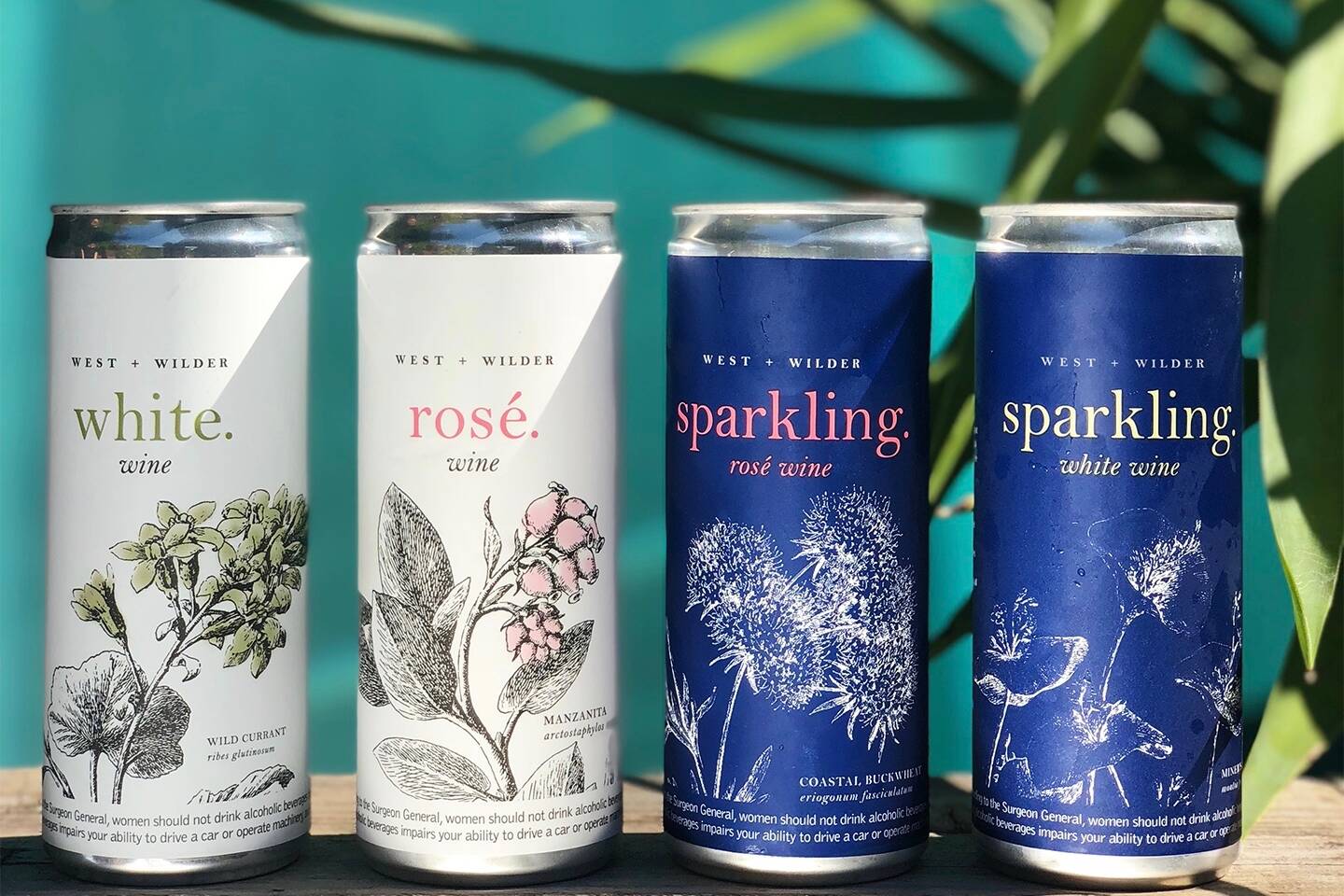
The Rise of ‘Tinnification’: Why Canned Wine Is Taking Over
In recent years, the wine industry has experienced a significant shift towards…