

The Smart Cellar Revolution: How Technology Is Transforming Wine Storage and Investment
For centuries, wine cellars have been symbols of prestige, patience, and craftsmanship. But as technology reshapes every corner of the luxury world, the cellar itself is being reimagined. No longer just a cool, dark room lined with bottles, today’s wine cellar is a connected ecosystem — intelligent, data-driven, and increasingly designed for investment as much as enjoyment.
In 2026, the wine industry is merging tradition with tech. From blockchain tracking to AI temperature control and digital wine portfolios, the smart cellar represents a new era where preservation meets precision and connoisseurs meet coders.
1. The Rise of Smart Wine Cellars
The luxury home of the future doesn’t just feature climate control — it features AI-driven wine management systems. Platforms like WineCab and CellarTracker AI now automate everything from bottle organization to humidity monitoring, ensuring optimal storage conditions 24/7.
How it works:
-
IoT sensors track temperature, light exposure, and vibration.
-
AI assistants alert owners when a bottle nears its ideal drinking window.
-
Smart racks can even retrieve bottles with robotic precision.
This isn’t just convenience — it’s preservation. Each bottle becomes a monitored investment, protected by data.
2. Blockchain: The New Vintage Verification
Counterfeit wine is a billion-dollar problem, with collectors and investors often facing uncertainty over provenance. Enter blockchain technology — a transparent ledger that guarantees authenticity.
Producers now log every stage of a wine’s journey — from vineyard to bottle — creating a digital certificate of origin that can’t be altered. Buyers can scan a QR code on the label and instantly verify details like:
-
Grape variety and harvest date
-
Barrel type and bottling batch
-
Transportation and storage conditions
Blockchain not only combats fraud but also strengthens trust in global wine markets, particularly as investment-grade wines become digital assets.
3. Wine as a Digital Asset: The Investment Frontier
Wine has always appreciated over time — but in 2026, it’s also traded like crypto.
Platforms such as Vint and WineChain now allow investors to buy fractional shares of rare bottles or collections, stored securely in bonded cellars around the world.
AI tools analyze market trends, vineyard performance, and global consumption data to recommend which wines are poised for appreciation.
This democratizes the world of fine wine investing — no longer exclusive to collectors with vast cellars, but open to digital investors with a smartphone and an appetite for luxury.
4. Sustainability Meets Smart Design
Technology isn’t just enhancing convenience; it’s promoting sustainability too.
Modern wine storage systems use energy-efficient cooling, recycled materials, and renewable power to reduce carbon footprints.
Architects and winemakers alike are rethinking cellar design — underground smart hubs that regulate themselves using geothermal systems and solar integration.
This green shift mirrors a broader trend in luxury: innovation with intention, where eco-conscious design becomes part of the prestige.
5. A New Kind of Connoisseurship
Perhaps the most exciting change is cultural. The next generation of wine lovers — digitally fluent, sustainability-minded, and globally connected — sees technology not as a threat to tradition but as a way to deepen appreciation.
They’re blending data with discovery:
-
Using apps to track tasting notes across years
-
Participating in digital tastings led by winemakers
-
Building cloud-based collections visible from anywhere in the world
In short, the wine lover of tomorrow is as much a tech investor as a tasting enthusiast.
Conclusion
The smart cellar is more than a luxury gadget — it’s the embodiment of a new relationship between people, wine, and technology. It honors the timeless patience of winemaking while embracing the precision of data.
In this new era, every bottle tells a richer story — one of heritage, innovation, and transparency. Whether you’re aging a Bordeaux for the next decade or tracking your collection in the cloud, one thing is clear: the future of fine wine is intelligent, sustainable, and more connected than ever.
Related Posts
May 16, 2026
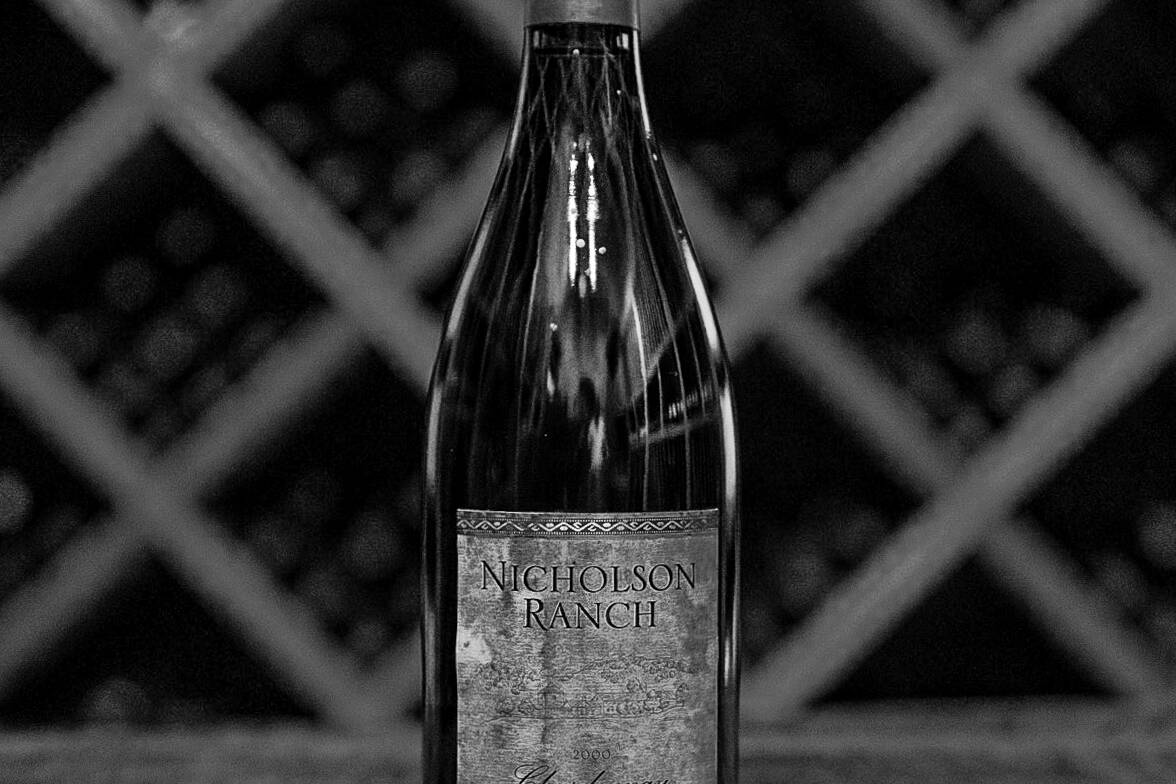
Nicholson Ranch: A Sonoma Estate with Soul
Tucked along Highway 121 between Sonoma and Napa Valleys, Nicholson Ranch…

May 13, 2026
The Power of LIVE Social Selling on TikTok: Why Wine Is the Next Big Thing (Stats, Stories & Strategies)
If you’ve ever dreamed of turning your love for wine into a vibrant online…
May 11, 2026
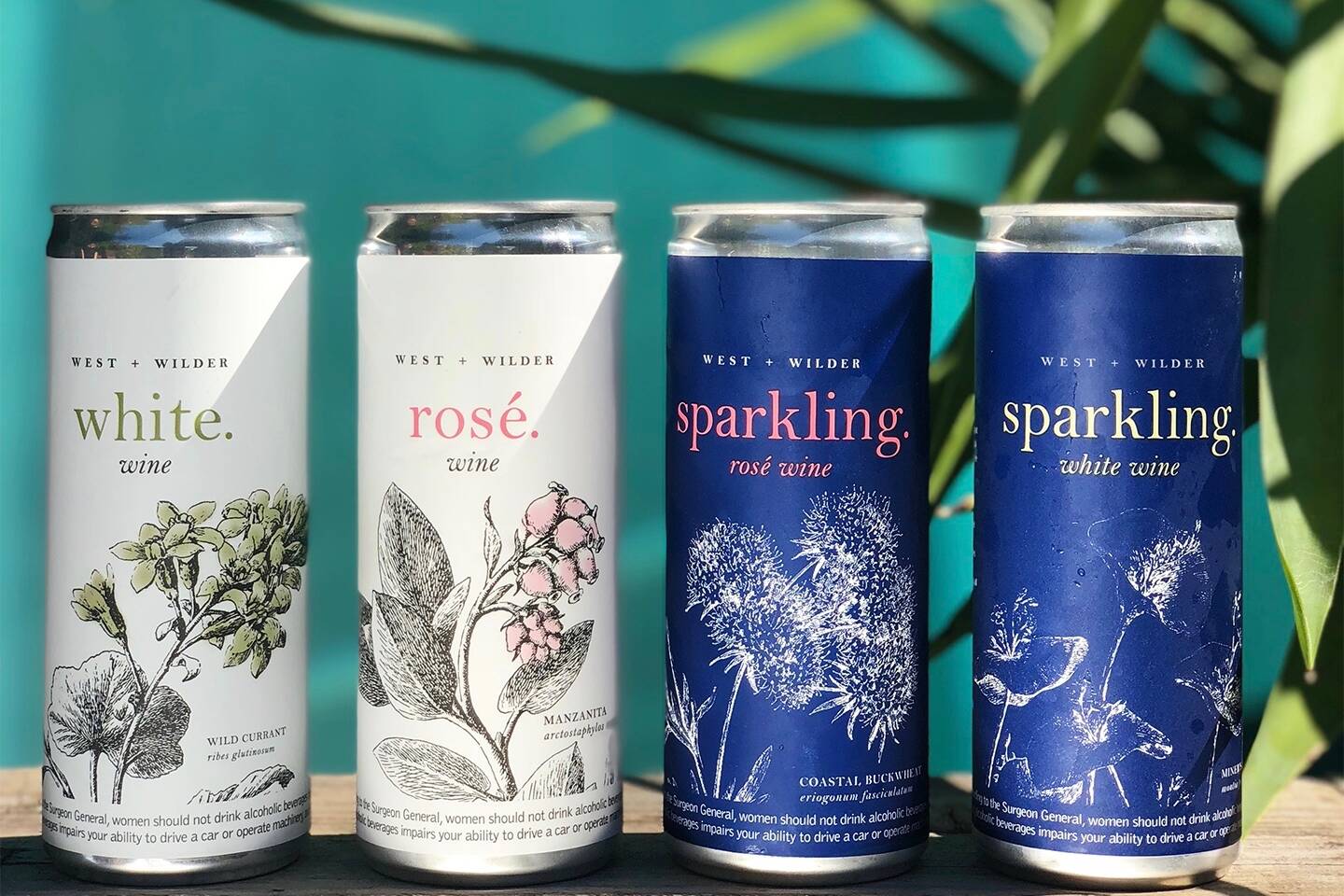
The Rise of ‘Tinnification’: Why Canned Wine Is Taking Over
In recent years, the wine industry has experienced a significant shift towards…