

The Rise of the Solopreneur Economy: Redefining Success in the Digital Age
The 2020s redefined what it means to build a career — and in 2026, that transformation has matured into a global movement: the Solopreneur Economy.
Powered by digital tools, AI assistants, and borderless collaboration, individuals are launching one-person businesses that rival traditional companies in creativity, reach, and profitability.
Gone are the days when success required an office, a team, or a huge startup budget. Today’s solopreneurs are proof that freedom, purpose, and innovation can thrive without corporate structures.
This is not just a side hustle revolution — it’s a new era of independent entrepreneurship.
1. The Digital Infrastructure That Made It Possible
The rise of solopreneurship didn’t happen by accident. It’s the result of a perfect storm of technology, accessibility, and cultural change.
Platforms like Shopify, Substack, Notion, and Fiverr have democratized entrepreneurship — giving anyone with a laptop and Wi-Fi the power to create, sell, and scale.
AI is the silent partner behind many of these ventures. From content creation to data analysis and customer engagement, solopreneurs now have access to tools that automate what once required entire teams.
A single creator can now:
-
Design a brand using AI-generated visuals.
-
Manage finances through smart accounting apps.
-
Schedule marketing and customer service via chatbots.
In short, technology has leveled the playing field, allowing individual creators to compete with established businesses.
2. Freedom Over Hierarchy
What drives solopreneurs isn’t just financial independence — it’s creative and lifestyle freedom.
Traditional corporate structures often limit innovation with bureaucracy and rigid processes. Solopreneurs, on the other hand, can pivot fast, experiment freely, and build businesses that align with their passions and values.
They choose clients that inspire them, set their own hours, and define success on their own terms — whether that’s earning six figures, working from a beach in Portugal, or simply having more time with family.
The movement reflects a broader shift in how we define “career.”
Success is no longer measured by job titles or office size — it’s about autonomy, impact, and fulfillment.
3. AI: The Ultimate Business Partner
AI has become the solopreneur’s secret weapon.
It helps creators do more with less — automating tasks that used to consume hours and resources.
For example:
-
ChatGPT-style assistants can handle customer inquiries, write proposals, and even brainstorm business ideas.
-
AI analytics tools provide deep insights into audience behavior, helping solopreneurs tailor content and offers.
-
AI-driven design apps can instantly create logos, websites, and marketing visuals.
This synergy between human creativity and machine intelligence has created a new class of entrepreneurs — “augmented individuals” — capable of building scalable businesses without traditional teams.
The future belongs to those who know how to collaborate with technology while staying authentic and human in their brand voice.
4. Building a Personal Brand in a Crowded Market
With millions entering the solopreneur space, the question becomes: how do you stand out?
The answer lies in authentic personal branding.
Audiences in 2026 crave connection, not perfection.
They’re drawn to creators who share real stories, personal challenges, and meaningful values.
Platforms like LinkedIn, Instagram, and YouTube have become storytelling ecosystems, where transparency builds trust and trust builds business.
Whether you’re a consultant, designer, coach, or content creator — your voice is your advantage.
Your brand isn’t your logo; it’s the emotion people feel when they experience your work.
That’s why the most successful solopreneurs don’t just sell products — they sell personality, credibility, and consistency.
5. The Business of One — With a Network of Many
While solopreneurs operate independently, they don’t work alone.
The ecosystem thrives on collaboration over competition.
Virtual communities, online masterminds, and digital coworking spaces connect like-minded professionals across continents.
Through these networks, solopreneurs share resources, cross-promote services, and even co-create products — without ever meeting in person.
It’s the rise of what some call the “collective individual” — autonomous entrepreneurs forming flexible alliances to amplify their reach.
In a sense, the modern solopreneur is both CEO and community member, thriving in a decentralized economy that rewards collaboration and creativity.
6. Challenges of the Solopreneur Lifestyle
Of course, independence comes with its own challenges.
Solopreneurs often face burnout, isolation, and the pressure of wearing multiple hats — from marketer to accountant to strategist.
The key to longevity lies in systems and boundaries:
-
Automate what you can.
-
Outsource what drains your energy.
-
Prioritize rest and routine as much as growth.
Sustainability is the new success metric. In the long run, those who manage their energy — not just their time — will build the most resilient businesses.
Conclusion
The Solopreneur Economy isn’t a passing trend — it’s a fundamental reimagining of work.
It celebrates individuality, creativity, and freedom in ways the corporate world never could.
In this new landscape, success belongs to those who embrace technology without losing humanity, who balance autonomy with collaboration, and who define wealth not just in profit, but in purpose.
As AI continues to empower creators and digital tools break down barriers, the “business of one” is becoming a movement of millions — reshaping the future of work, one independent voice at a time.

Related Posts
May 30, 2026
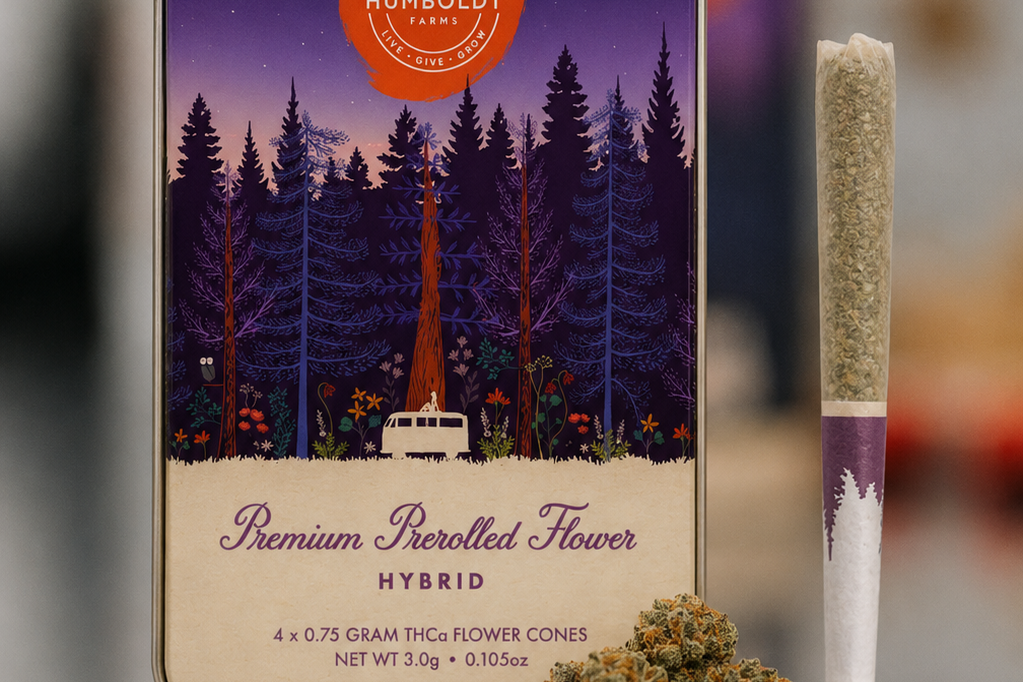
Why Premium Pre-Rolls Are Becoming the Preferred Choice for Modern Consumers
Not everyone wants to grind flower, pack cones, or spend time preparing for…

May 26, 2026
Dr. Chris Croley: Elevating Aesthetics with Authority, Heart, and Innovation
Introduction: A New Chapter Begins In June 2025, aesthetic medicine gained a…
May 20, 2026
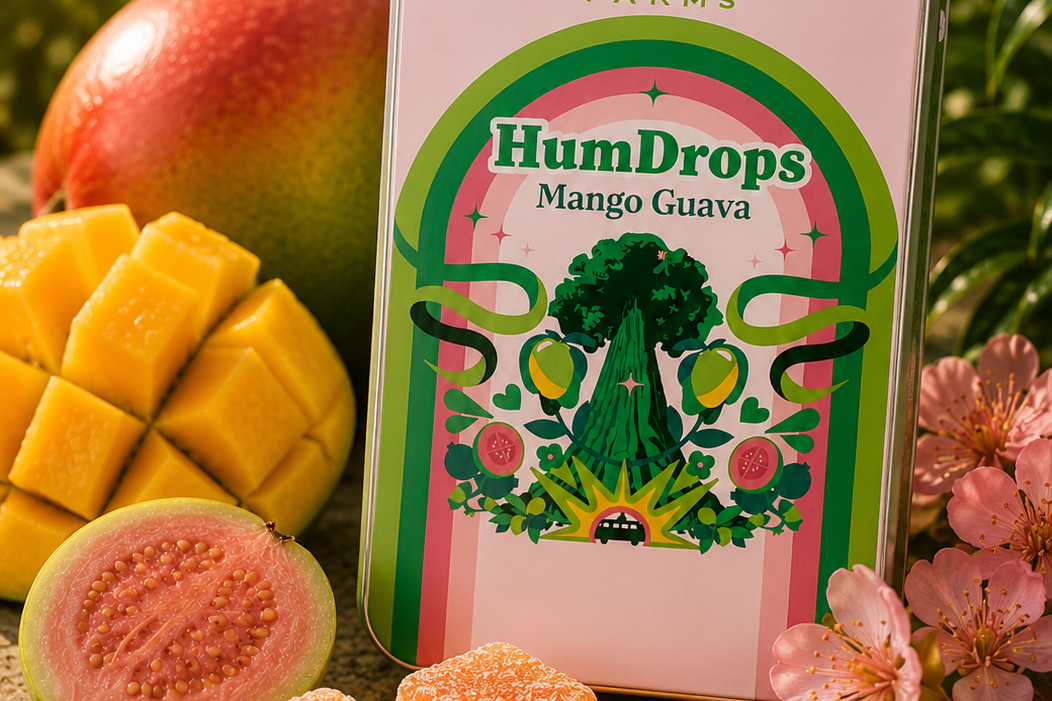
Why More Adults Are Choosing Mango Guava Gummies Instead of Alcohol to Unwind
For decades, unwinding after a long day usually meant pouring a glass of wine,…