

In an age where disruption has become the new normal, entrepreneurship is no longer just about innovation — it’s about adaptation. The entrepreneurs of 2026 aren’t simply building companies; they’re designing ecosystems that can thrive through volatility, economic turbulence, and rapid technological evolution.
From inflation to AI transformation to shifting consumer behavior, today’s founders face a world that demands agility over size, creativity over capital, and resilience over perfection. Yet those who embrace this reality are discovering unprecedented opportunities to lead, grow, and redefine success.
1. The Rise of the “Resilient Founder”
The traditional definition of entrepreneurship — high risk, high reward — has evolved into something deeper. Resilient founders don’t just endure uncertainty; they use it as leverage.
A 2026 global survey of startup leaders by the World Economic Forum revealed that 71% of entrepreneurs now prioritize sustainability, adaptability, and emotional intelligence over profit as their top success metrics.
Resilient founders share a common mindset:
-
They see crises as catalysts.
-
They design flexible business models that can pivot quickly.
-
They lead with empathy, cultivating teams built on trust rather than fear.
They understand that in a world shaped by uncertainty, resilience isn’t just a skill — it’s a strategy.
2. Building Anti-Fragile Business Models
In his book Antifragile, Nassim Nicholas Taleb describes systems that don’t just survive chaos — they improve because of it. The same applies to the modern entrepreneur.
Forward-thinking founders are engineering anti-fragile businesses — companies that grow stronger when exposed to stress. Here’s how:
-
Diversified Revenue Streams: Entrepreneurs are expanding beyond one income source, using digital products, memberships, and partnerships to stabilize cash flow.
-
Data-Driven Flexibility: AI-powered analytics now allow founders to detect weak signals in consumer behavior, letting them pivot products or marketing faster than ever before.
-
Lean Innovation: Startups are adopting “micro-iteration” — launching smaller, testable versions of products to validate ideas in real time.
The new entrepreneurial rulebook is simple: build lean, move fast, and design systems that adapt before disruption hits.
3. The Power of Purpose in a Volatile World
In the past, companies were defined by their products. Today, they’re defined by their purpose.
Consumers — especially Gen Z and Millennials — are supporting brands that stand for something real. A 2025 Edelman Trust Barometer found that 73% of global consumers are willing to switch brands if they believe another aligns more closely with their values.
Resilient entrepreneurs recognize this shift. They embed purpose into their operations, not as a marketing tool but as a strategic anchor during uncertainty.
For instance:
-
Eco-focused startups use blockchain to verify sustainable sourcing.
-
Health and wellness entrepreneurs are combining profit with community empowerment.
-
Tech innovators are building AI responsibly, prioritizing transparency and inclusivity.
When the mission is clear, every decision — from hiring to pricing — becomes guided by vision rather than panic.
4. Emotional Agility: The New Leadership Superpower
If resilience is the engine, emotional agility is the fuel.
Entrepreneurs are realizing that thriving in chaos requires mastering mindset as much as management. Harvard psychologist Susan David defines emotional agility as the ability to navigate one’s thoughts and emotions with curiosity and compassion, rather than suppression or avoidance.
In practice, emotionally agile founders:
-
Reframe setbacks as feedback, not failure.
-
Maintain optimism without ignoring reality.
-
Encourage vulnerability within their teams, fostering trust and creativity.
Leadership in 2026 is no longer about dominance — it’s about connection. Resilient entrepreneurs lead with empathy because they understand: people, not products, drive longevity.
5. Digital Transformation as a Survival Strategy
Technology is no longer optional; it’s existential.
Resilient entrepreneurs don’t chase trends — they harness technology with intention. Whether it’s AI for predictive analytics, blockchain for transparency, or automation for efficiency, tech-savvy founders are future-proofing their businesses through strategic integration.
Examples include:
-
AI-enhanced customer insights that anticipate behavior shifts before they happen.
-
Cloud-based operations enabling remote and hybrid work structures that reduce overhead costs.
-
NFTs and Web3 models that turn loyal customers into co-creators and brand investors.
By blending technological foresight with human creativity, resilient entrepreneurs ensure that innovation remains a competitive advantage, not a distraction.
6. Collaboration Over Competition
In today’s hyperconnected world, resilience thrives in community, not isolation.
Instead of competing for limited market share, forward-thinking entrepreneurs are forming alliances — cross-industry collaborations, co-branding partnerships, and shared-data ecosystems that amplify reach.
The wine industry, for instance, offers a fascinating example. Small, boutique vineyards that once struggled alone are now forming digital cooperatives — sharing logistics, AI-driven distribution networks, and sustainability metrics — allowing them to compete with global conglomerates while maintaining authenticity.
This collaborative model is now spreading across industries. By working with others rather than against them, entrepreneurs create networks of strength that can weather any storm.
7. The Future: Resilience as a Brand Advantage
In 2026, resilience has evolved from a survival trait into a market differentiator. Consumers, investors, and employees gravitate toward brands that project confidence, adaptability, and authenticity.
Tomorrow’s most successful entrepreneurs will not be those who avoid risk, but those who dance with it — turning unpredictability into innovation and challenge into opportunity.
They will blend empathy with efficiency, technology with humanity, and strategy with soul.
Because resilience is no longer about bouncing back. It’s about bouncing forward — with purpose, strength, and vision.
Conclusion
The entrepreneurial landscape of 2026 rewards those who embrace the unknown.
Resilient founders understand that uncertainty is not the enemy — it’s the environment in which greatness grows. By combining adaptability, emotional intelligence, purpose, and technology, they’re not merely surviving disruption; they’re shaping the future because of it.
The next decade belongs to those who see chaos not as chaos, but as potential. In the end, resilience isn’t just how you endure the storm — it’s how you build in the rain.

Related Posts
May 30, 2026
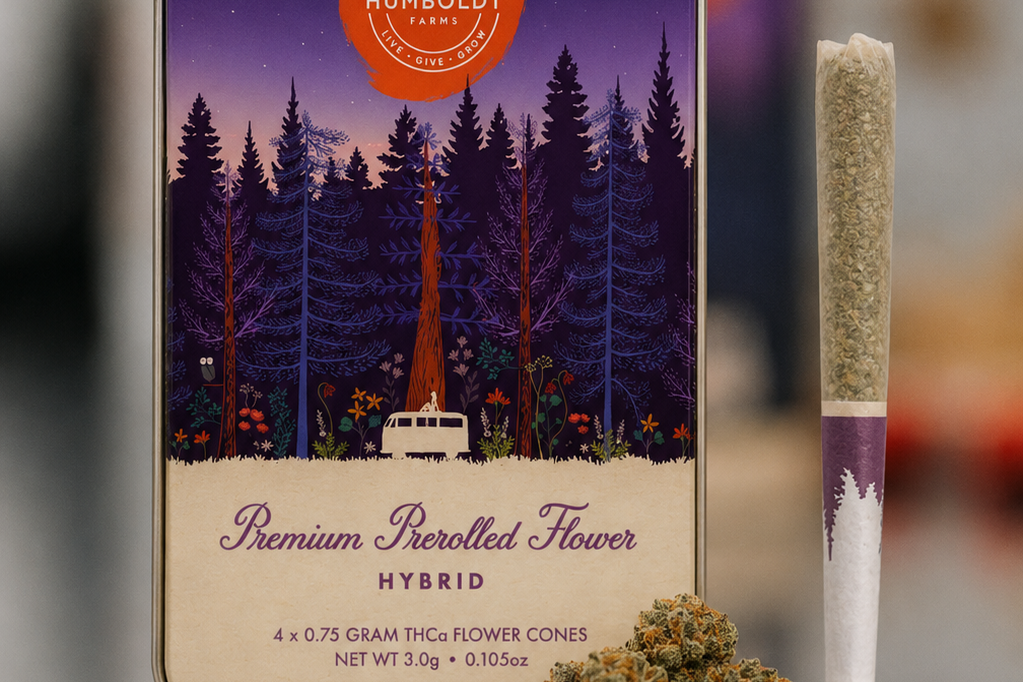
Why Premium Pre-Rolls Are Becoming the Preferred Choice for Modern Consumers
Not everyone wants to grind flower, pack cones, or spend time preparing for…

May 26, 2026
Dr. Chris Croley: Elevating Aesthetics with Authority, Heart, and Innovation
Introduction: A New Chapter Begins In June 2025, aesthetic medicine gained a…
May 20, 2026
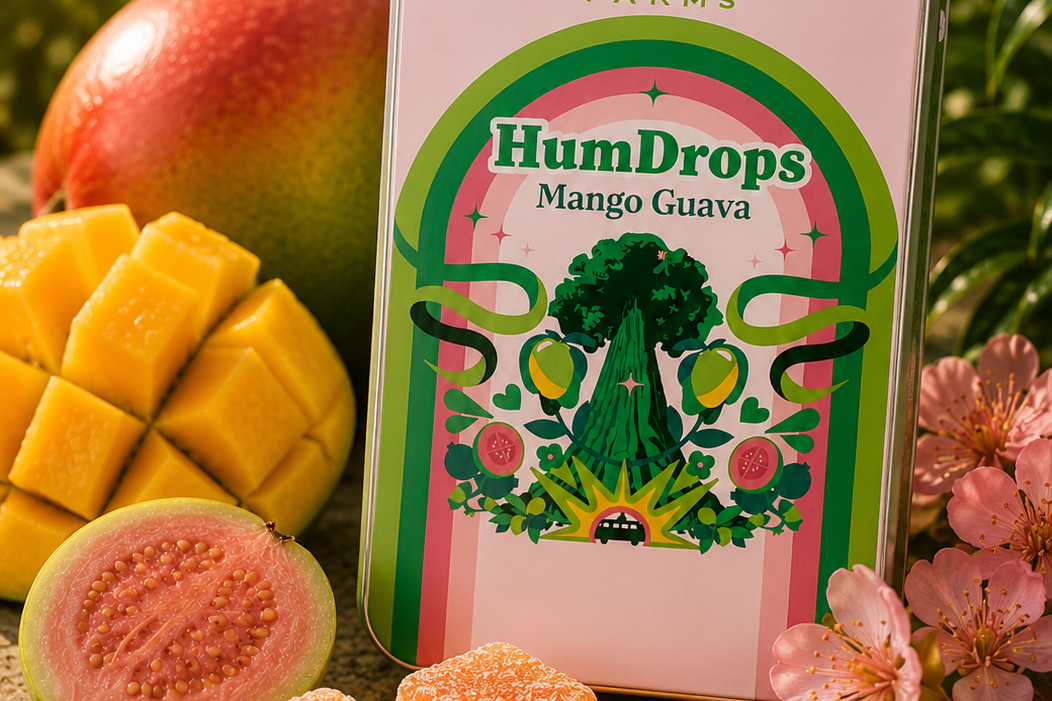
Why More Adults Are Choosing Mango Guava Gummies Instead of Alcohol to Unwind
For decades, unwinding after a long day usually meant pouring a glass of wine,…