

The New Identity of Wine in 2026 — From Tradition to Transformation
For centuries, wine has been shaped by geography, climate, and tradition. Old-world regions defined prestige, and labels told stories of ancestry and soil. But by 2026, the global wine industry is undergoing a quiet yet powerful transformation. Consumers are no longer guided exclusively by history; they are driven by experience, sustainability, transparency, and personal identity.
The modern wine drinker is informed, experimental, and values-driven. This has forced vineyards, winemakers, distributors, and retailers to evolve well beyond the vineyard. Wine is no longer just about taste — it is about purpose, process, storytelling, and innovation.
In this article, we explore the top wine trends to watch in 2026 and break down how brands, sommeliers, retailers, and entrepreneurs can strategically apply these trends to thrive in a rapidly evolving market.
Wine Industry Trends to Watch in 2026
1. Hyper-Local Wine Appreciation
Instead of looking only to famous regions, consumers in 2026 are showing strong interest in hyper-local wines produced close to home.
This includes:
-
Urban wineries
-
Micro-vineyards
-
Community winemaking co-ops
-
Locally sourced grapes
Drinkers want to connect with the story of their immediate environment. Knowing the people, soil, and process behind their wine gives the experience increased meaning and authenticity.
This shift is decentralizing the power of large, traditional wine regions.
2. Transparent Production Labeling
Modern drinkers want visibility, not mystery. In 2026, there is growing demand for labels that clearly show:
-
Farming methods
-
Ingredient lists
-
Additives (or absence of them)
-
Carbon footprint
-
Water usage
QR codes and smart labels provide instant access to the wine’s journey — from grape to glass. Transparency builds trust, especially among younger consumers and health-conscious demographics.
3. Experience-Based Wine Consumption
Wine in 2026 is no longer purchased only for dinner; it is purchased for experiences.
This includes:
-
Virtual vineyard tours
-
Multi-sensory tasting rooms
-
Interactive storytelling through apps
-
Paired music and mood experiences
Wineries are becoming immersive destinations instead of purely production-based businesses.
4. Rise of Alternative and Rare Varietals
Rather than relying on mainstream grapes, modern winemakers are experimenting with forgotten, indigenous, or climate-resilient varietals.
These include:
-
Heat-tolerant grapes
-
Drought-resistant varieties
-
Ancient or revived species
-
Hybrid innovations developed for future climates
This opens the market to entirely new flavor profiles and identity experiences for curious consumers.
5. Digital Wine Identity and Collecting
2026 is seeing the rise of digital wine identity systems:
-
Digital certificates of authenticity
-
NFT-backed luxury bottles
-
Blockchain wine histories
-
Exclusive online wine communities
Wine is now a digital collectible as much as a physical one, giving connoisseurs access to verifiable excellence and rare ownership experiences.
How to Apply These Trends Strategically
For vineyards, retailers, sommeliers, and entrepreneurs, these shifts require both creativity and strategic thinking.
1. Leverage Local Narratives
Use location as a brand asset. Highlight:
-
Soil profile
-
Local climate
-
Community involvement
-
Regional uniqueness
Build a story that positions your wine as a piece of geographic identity, not simply a beverage.
2. Commit to Radical Transparency
Rather than fear scrutiny, embrace it.
Add to labels and websites:
-
Complete ingredient breakdown
-
Harvest and fermentation details
-
Ethical certifications
-
Environmental impact data
This attracts modern, conscious consumers who prioritize honesty over image.
3. Design Immersive Brand Experiences
Wine brands must now think like experience designers.
Create:
-
Sensory tasting rooms
-
Seasonal vineyard events
-
AR/VR tasting experiences
-
Wine-and-art collaborations
Every bottle should feel like an invitation to an experience, not just a product.
4. Educate on Rare Varietals
Don’t assume consumers will understand unusual wines automatically.
Offer:
-
Tasting guides
-
Flavor maps
-
Food pairing suggestions
-
Background on historical use
This transforms unfamiliarity into intrigue and trust.
5. Develop Digital Wine Presence
Modern wineries should offer:
-
Digital identity tracking
-
Exclusive online releases
-
Members-only access
-
Virtual cellar systems
You are no longer just selling wine — you are building a digital wine culture.
The Sustainability Factor
Sustainability is no longer a bonus — it is an expectation.
By 2026, successful wineries are:
-
Using renewable energy in production
-
Switching to biodegradable packaging
-
Reducing water dependency
-
Supporting regenerative farming
Those who do not adopt sustainable practices risk becoming irrelevant to modern markets.
Conclusion
The wine industry of 2026 is defined not by tradition alone, but by transformation. Hyper-local production, full transparency, experience-based branding, and digital innovation are reshaping how the world discovers and consumes wine.
The new generation of wine consumers is not just buying a bottle — they are buying a story, a system, a value, and a future.
For those willing to evolve beyond old norms, the future of wine is rich, creative, and more inclusive than ever before.

Related Posts
May 16, 2026
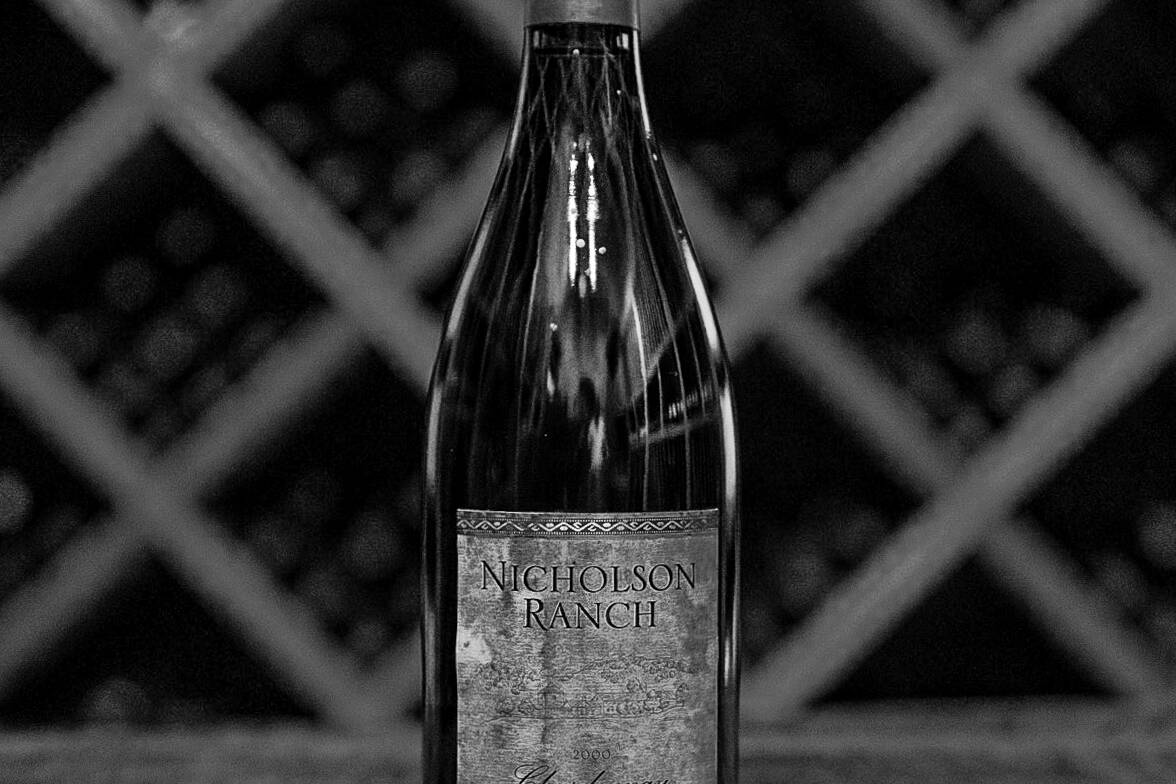
Nicholson Ranch: A Sonoma Estate with Soul
Tucked along Highway 121 between Sonoma and Napa Valleys, Nicholson Ranch…

May 13, 2026
The Power of LIVE Social Selling on TikTok: Why Wine Is the Next Big Thing (Stats, Stories & Strategies)
If you’ve ever dreamed of turning your love for wine into a vibrant online…
May 11, 2026
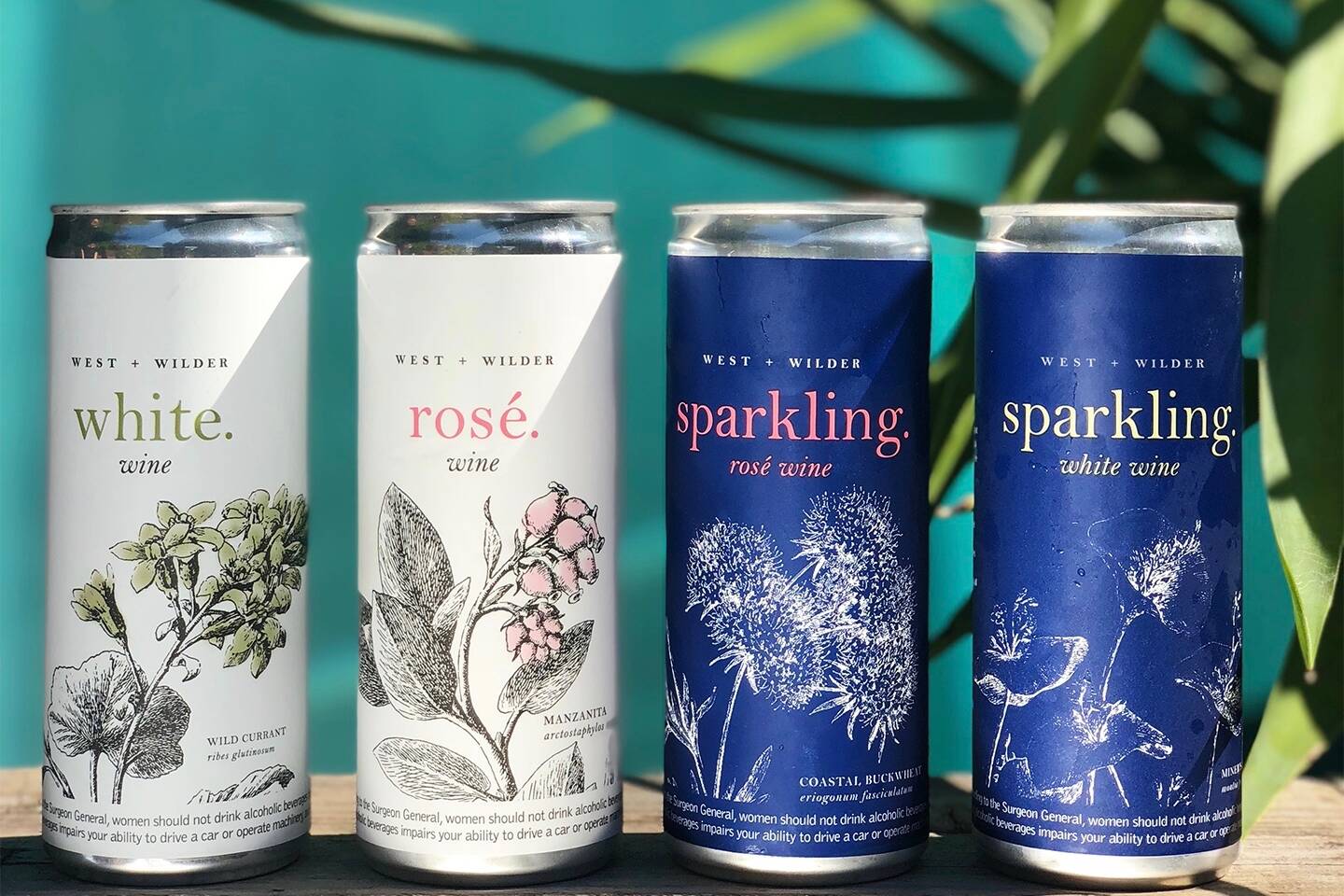
The Rise of ‘Tinnification’: Why Canned Wine Is Taking Over
In recent years, the wine industry has experienced a significant shift towards…