

How Culture, Climate, and Conscious Consumption Are Transforming the Global Wine Business
For centuries, the world of wine has been rooted in tradition. Appellations, heritage vineyards, generational knowledge, and strict regulations have shaped how wine is produced, marketed, and consumed. While this deep respect for history will always exist, the global wine industry is now entering one of its most radical transformations in modern times.
By 2026, the wine business is no longer governed by prestige alone. It is being reshaped by climate change, cultural shifts, younger consumers, wellness trends, and the digital marketplace. What people drink, how they choose it, and why they value it are all changing.
The next era of wine is about meaning, sustainability, individuality, and experience. Those who understand this evolution will lead a new generation of global wine brands.
Business & Wine Trends to Watch in 2026
1. The Rise of Climate-Resilient Regions
Traditional powerhouses like France, Italy, and California will still dominate premium categories, but the fastest-growing attention will go to emerging, climate-resilient regions such as:
-
England (sparkling wines)
-
Canada
-
Southern Chile
-
Tasmania
-
Northern Europe
-
High-altitude South America
-
Central Asia micro-regions
As global temperatures fluctuate, cooler regions will increasingly become prime land for quality wine production. This shift is already attracting international investors, and by 2026 it will be completely mainstream.
These new regions will benefit from:
-
Longer growing seasons in cooler climates
-
Lower land costs
-
Unique flavor profiles
-
Strong export potential
2. Conscious Consumption Will Outperform Volume
Consumers in 2026 will not be drinking more wine — they will be drinking better wine, less often.
The future wine market thrives on:
-
Organic and biodynamic wines
-
Low-intervention production
-
Lower alcohol content
-
Clean labeling (no additives or chemicals)
-
Transparent sourcing
People are transitioning from casual drinking to ritual drinking — treating wine not as a commodity, but as a mindful experience.
This puts the highest value on:
-
Quality over quantity
-
Sustainability over scale
-
Craft over mass production
3. Cultural Identity Will Become the Main Selling Point
By 2026, wine branding will be less about ratings and more about storytelling. Consumers want more than tasting notes — they want origins, people, and purpose.
Successful wine brands will emphasize:
-
Indigenous grape varieties
-
Local traditions
-
Cultural symbolism
-
Regional history
-
Family or community roots
This “cultural identity marketing” transforms every bottle into a story, making it emotionally valuable.
A wine is no longer just fermented grapes. It becomes a piece of place and time.
4. Digital Wine Communities Will Drive Global Influence
Wine education is moving away from elite tasting rooms and into online communities. Creators, sommeliers, collectors, and enthusiasts are forming digital spaces around shared exploration.
By 2026, the most influential wine brands will not be found in stores first — they will be discovered through:
-
Social media tastings
-
Private online memberships
-
Livestream vineyard tours
-
Web-based tasting clubs
-
Curated digital marketplaces
Connection now matters more than critics.
5. Micro-Batches Will Replace Mass Production
Rather than producing millions of bottles, premium winemakers will move toward limited micro-batches, each one unique.
This scarcity model will:
-
Increase perceived value
-
Allow experimentation
-
Create collector demand
-
Boost direct-to-consumer sales
Wine will adopt a similar mentality to luxury fashion drops or art editions.
How To Apply These Trends Strategically
Whether you are in wine distribution, hospitality, content creation, or brand development, these shifts provide powerful opportunities.
1. Invest in Emerging Regions
Early partnership with emerging wine areas will create massive long-term return. These regions will experience rapid brand credibility growth over the next decade.
Seek out:
-
Cool climate vineyards
-
Indigenous grape specialists
-
Small-scale producers
-
Sustainability-focused wineries
You will be backing the future, not the past.
2. Embrace the Premium Mindset
Instead of volume-based revenue, move to value-based revenue:
-
Smaller quantities
-
Higher margins
-
Strong brand perception
-
Collection-worthy packaging
-
Story-driven content
This aligns perfectly with conscious consumers.
3. Turn Wine Into an Experience Brand
Your offer should include:
-
Tasting rituals
-
Immersive branding
-
Food pairings experiences
-
Virtual vineyard access
-
Event-based storytelling
Wine in 2026 is closer to art than industry.
4. Build a Digital Wine Identity
Position yourself as part of the conversation:
-
Share wine education
-
Highlight unique producers
-
Feature cultural insights
-
Document tasting journeys
-
Collaborate with creators
Your digital presence will determine your market position more than location.
5. Package the Story
Your label, messaging, and language should reflect:
-
Heritage
-
Meaning
-
Emotional connection
-
Sustainability
-
Authenticity
Minimalism and sensory appeal will define the look of next-gen wine brands.
Conclusion
The wine industry of 2026 will be unrecognizable compared to what came before it.
Climate change, cultural revival, conscious consumption, and digital connection are shaping a new narrative where wine is no longer just a beverage—it’s an identity.
The winners of this new era won’t be the biggest producers. They’ll be the most intentional storytellers.
Those who listen to the land, honor culture, and respect the evolving consumer mindset will rise as the next global leaders in wine.
In 2026, every bottle will tell a story.
And the most powerful brands will be the best storytellers.
Related Posts
May 16, 2026
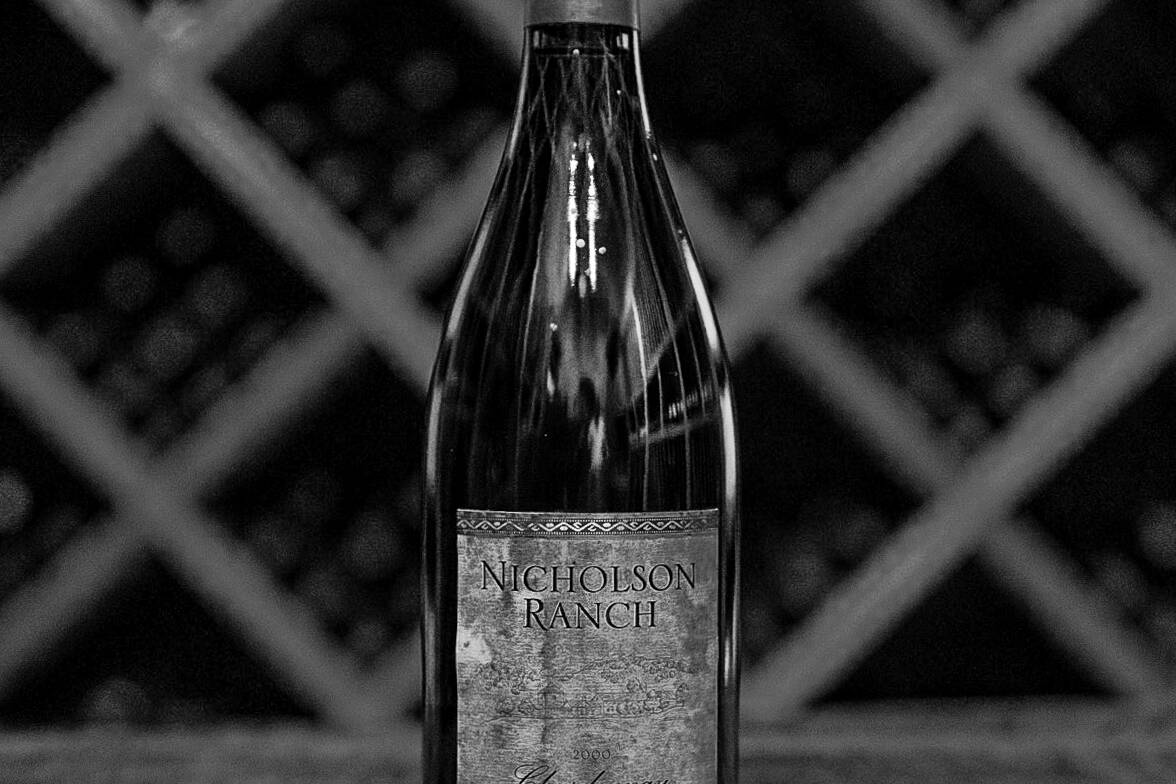
Nicholson Ranch: A Sonoma Estate with Soul
Tucked along Highway 121 between Sonoma and Napa Valleys, Nicholson Ranch…

May 13, 2026
The Power of LIVE Social Selling on TikTok: Why Wine Is the Next Big Thing (Stats, Stories & Strategies)
If you’ve ever dreamed of turning your love for wine into a vibrant online…
May 11, 2026
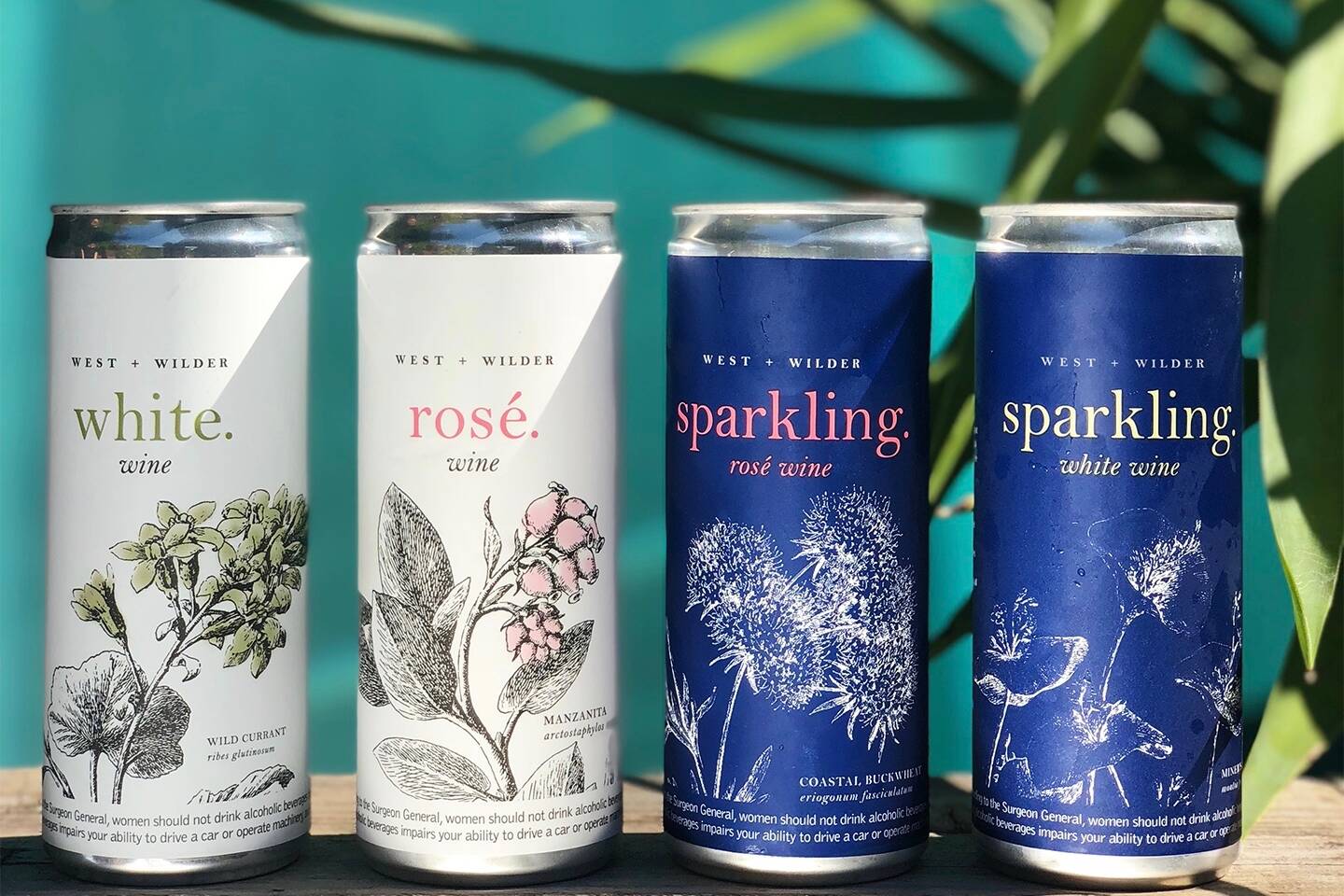
The Rise of ‘Tinnification’: Why Canned Wine Is Taking Over
In recent years, the wine industry has experienced a significant shift towards…