

How Fluid Business Models and Identity Brands Will Dominate in 2026
For decades, entrepreneurship followed a familiar blueprint: identify a problem, build a product, create a company, scale, and exit. This model produced powerful companies, but it also created rigid definitions of what success and entrepreneurship should look like.
By 2026, that framework is collapsing.
Entrepreneurship is no longer defined by company size, physical offices, or venture capital backing. Instead, a new type of entrepreneur is emerging — one who operates fluidly across platforms, leverages personal identity as a brand, and builds multiple income streams without traditional infrastructure.
The modern entrepreneur is not just a business owner. They are a system builder, a community leader, a creator, and a strategist—all in one.
This is the era of the fluid entrepreneur.
Entrepreneurship Trends to Watch in 2026
1. Businesses Will Become Multi-Channel Ecosystems
By 2026, it will be rare for successful entrepreneurs to rely on a single product or platform.
Entrepreneurs will operate interconnected revenue channels such as:
-
A service-based brand
-
A digital education platform
-
A product line (physical or digital)
-
A private community
-
Strategic partnerships
Rather than selling one thing, they will build a self-sustaining ecosystem around a core mission.
This creates resilience and removes dependency on any single economic stream.
2. Identity Will Be the New Intellectual Property
In the past, intellectual property meant patents, copyrighted materials, or proprietary technology.
In 2026, identity itself becomes the most valuable intellectual property.
An entrepreneur’s voice, values, expertise, story, and point of view will carry more weight than any traditional asset. People will buy into who you are, not just what you sell.
This shift will reward authenticity, clarity, and consistency over perfection.
3. Location Independence Will Be Standard
The concept of a business “location” is disappearing. By 2026, entrepreneurs will increasingly structure their operations to be:
-
Fully remote
-
Global from day one
-
Automated
-
Powered by virtual teams
-
Immune to geographic limitations
This allows founders to operate internationally with minimal overhead and larger profit margins — an advantage that traditional companies will struggle to match.
4. Community Will Replace Advertising
Instead of spending millions on ads, entrepreneurs will focus on building loyal, intimate communities around their mission.
These communities will serve as:
-
Product testers
-
Brand promoters
-
Idea generators
-
Core revenue source
-
Emotional support system
Strong communities create sustainable, organic growth far beyond paid marketing reach.
5. Skill Stacking Will Beat Specialization
Rather than mastering one narrow discipline, successful entrepreneurs will develop combinations of skills, such as:
-
Marketing + Psychology
-
Technology + Design
-
Communication + Strategy
-
AI + Content
-
Wellness + Business
This stacking effect makes individuals irreplaceable and highly adaptable.
How To Apply These Trends Strategically
Building a business in 2026 requires a new mindset — more flexible, more personal, and more intentional.
1. Build a Personal Brand Before a Product
Instead of launching a product in silence, start by sharing your thinking, journey, and expertise online.
This builds:
-
Trust
-
Anticipation
-
Audience
-
Market insight
-
Brand magnetism
When the product arrives, the demand is already created.
2. Design a Multi-Stream Income Plan
Stop relying on a single offer. Structure your business in layers:
-
Entry-level digital product
-
Core service offering
-
Premium experience
-
Membership or subscription community
-
Licensing or partnership channel
This builds stability while scaling impact.
3. Create Systems, Not Just Goals
Goals disappear when motivation fades. Systems continue.
Automate:
-
Content scheduling
-
Client onboarding
-
Payment systems
-
Customer support
-
Email marketing
These systems free time for creativity and strategy.
4. Focus on Connection Over Exposure
A small, deeply connected audience is worth far more than a massive, cold audience.
Engage in:
-
Direct conversations
-
Private groups
-
Value-based content
-
Personal storytelling
-
Real-time feedback
These build long-term loyalty and referral networks.
5. Learn to Pivot Fast
The most successful entrepreneurs won’t be the ones who never fail — they’ll be the ones who respond to change instantly.
Shorten your feedback loops.
Test quickly.
Adapt faster.
Speed is the new stability.
Conclusion
The entrepreneur of 2026 is no longer chasing a traditional version of success.
They are building a life-first business model that prioritizes:
-
Freedom
-
Impact
-
Identity
-
Flexibility
-
Resilience
The old system rewarded those with money, connections, and power. The new system rewards those with clarity, courage, and originality.
This is the end of traditional entrepreneurship—and the beginning of something far more personal, powerful, and limitless.
By embracing fluidity,
by turning identity into value,
by building ecosystems instead of companies,
You don’t just start a business.
You become the business.

Related Posts
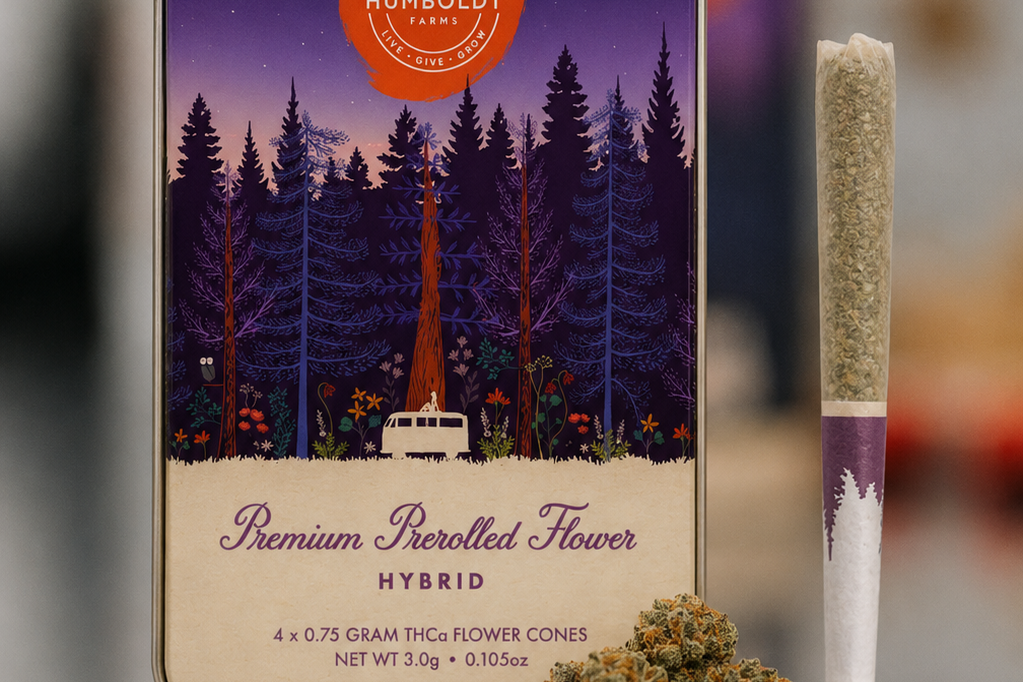
May 30, 2026
Why Premium Pre-Rolls Are Becoming the Preferred Choice for Modern Consumers
Not everyone wants to grind flower, pack cones, or spend time preparing for…

May 26, 2026
Dr. Chris Croley: Elevating Aesthetics with Authority, Heart, and Innovation
Introduction: A New Chapter Begins In June 2025, aesthetic medicine gained a…
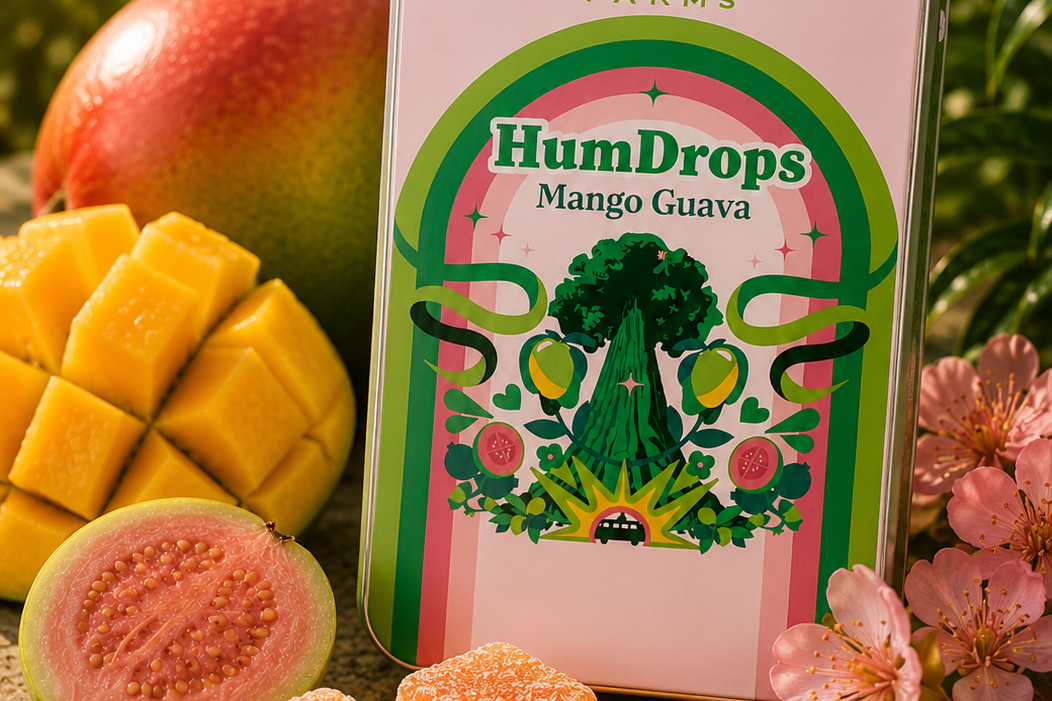
May 20, 2026
Why More Adults Are Choosing Mango Guava Gummies Instead of Alcohol to Unwind
For decades, unwinding after a long day usually meant pouring a glass of wine,…