


From Terroir to Traceability: Why Provenance Is the Currency of Wine in 2026
For centuries, terroir has been the language of wine — soil, climate, and geography shaping flavor and identity. In 2026, terroir still matters, but it is no longer enough. Modern wine consumers want traceability: clear, verifiable insight into where wine comes from, how it is made, and who stands behind it.
Provenance is becoming wine’s most valuable currency.
Wine Industry Trends to Watch in 2026
1. Digital Provenance Becomes Standard
Storytelling alone no longer satisfies curiosity.
Wineries increasingly provide:
-
QR-linked production details
-
harvest timelines
-
vineyard-level sourcing information
Digital transparency builds credibility.
2. Producer Identity Outweighs Appellation Prestige
Consumers connect more with people than places.
In 2026, buyers seek:
-
the winemaker’s philosophy
-
family history or founding story
-
personal stewardship
Human narratives outperform institutional labels.
3. Verifiable Sustainability Claims Gain Importance
Generic sustainability claims face skepticism.
Trust now comes from:
-
measurable practices
-
third-party verification
-
clear impact metrics
Proof replaces promises.
4. Vintage Variation Is Communicated, Not Hidden
Consistency is no longer the only goal.
Producers openly discuss:
-
climate influence
-
seasonal variation
-
stylistic adjustments
Transparency increases appreciation.
5. Direct Producer-to-Consumer Relationships Strengthen
Traceability improves connection.
DTC channels allow:
-
direct communication
-
personalized storytelling
-
loyalty building
Ownership of the narrative matters.
How Wine Brands Can Apply These Trends Strategically
1. Make Provenance Easy to Access
Use simple digital tools to share information.
Transparency should be effortless for consumers.
2. Put People at the Center of the Story
Highlight growers, winemakers, and teams.
Authenticity builds emotional connection.
3. Substantiate Sustainability Efforts
Document practices clearly.
Credibility requires evidence.
4. Embrace Vintage Differences
Educate consumers on variation.
Difference becomes a feature, not a flaw.
5. Use Traceability to Build Loyalty
Turn information into conversation.
Engagement deepens trust.
Conclusion
In 2026, wine value is defined not just by taste, but by trust. As consumers demand greater transparency, provenance becomes a competitive advantage that strengthens relationships and elevates perception.
The future of wine belongs to those who can prove where their story begins.
Related Posts
May 16, 2026
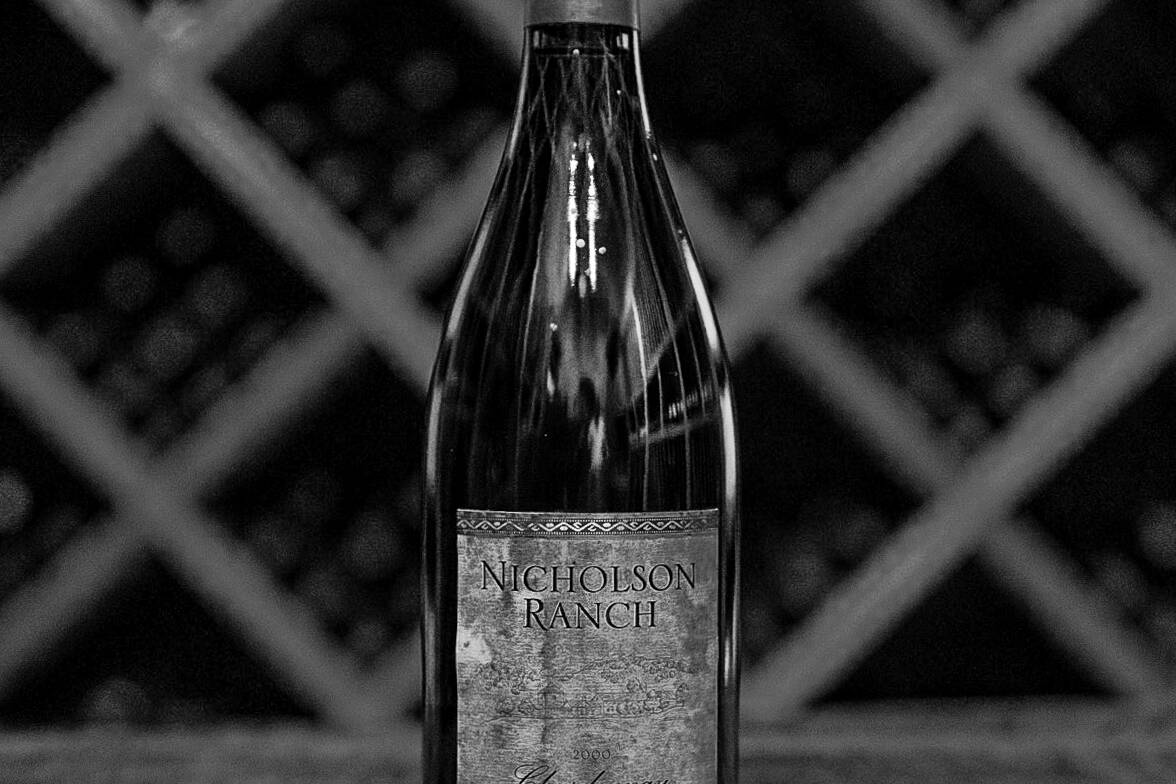
Nicholson Ranch: A Sonoma Estate with Soul
Tucked along Highway 121 between Sonoma and Napa Valleys, Nicholson Ranch…

May 13, 2026
The Power of LIVE Social Selling on TikTok: Why Wine Is the Next Big Thing (Stats, Stories & Strategies)
If you’ve ever dreamed of turning your love for wine into a vibrant online…
May 11, 2026
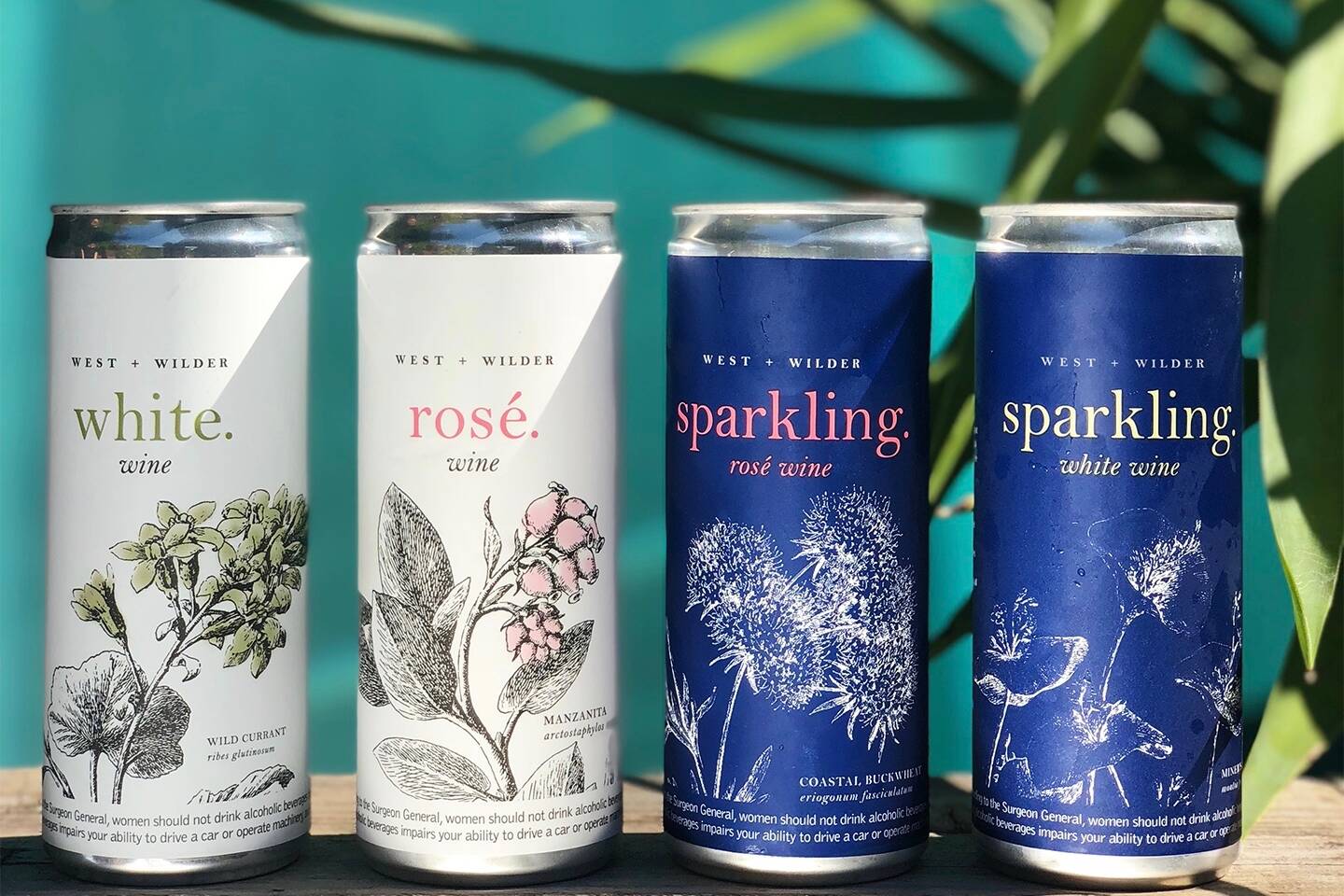
The Rise of ‘Tinnification’: Why Canned Wine Is Taking Over
In recent years, the wine industry has experienced a significant shift towards…


