

The New Definition of Luxury Wine in 2026: Restraint, Place, and Meaning
For much of the modern wine era, luxury was loud. Power, concentration, high alcohol, heavy oak, and critical scores defined prestige. Bigger often signaled better, and price followed intensity.
By 2026, that definition has fundamentally shifted.
Today’s premium wine consumer is less impressed by excess and more drawn to restraint, authenticity, and intention. Luxury wine is no longer about dominance — it is about clarity. The most desirable bottles whisper instead of shout.
This evolution reflects broader cultural changes: sophistication over spectacle, meaning over display, and experience over status.
Why Luxury Wine Is Being Redefined
1. Consumer Palates Have Matured
Modern wine drinkers are more educated than ever.
They understand:
-
terroir differences
-
vintage variation
-
winemaking choices
-
balance versus power
As knowledge increases, novelty fades — nuance matters more.
2. Excess Has Lost Its Status Signal
High alcohol, extreme ripeness, and aggressive oak no longer imply quality.
In fact, they often signal:
-
manipulation
-
lack of place expression
-
stylistic conformity
Restraint now reads as confidence.
3. Story Has Become as Important as Sensory Impact
Luxury buyers increasingly ask:
-
Where does this wine come from?
-
Why was it made this way?
-
What does it represent?
Narrative depth has become a differentiator.
Luxury Wine Trends Defining 2026
1. Site Expression Takes Priority Over Winemaker Signature
Winemakers are stepping back.
The focus is on:
-
vineyard character
-
soil influence
-
microclimate
-
vintage honesty
The best wines taste somewhere, not someone.
2. Alcohol Levels Continue to Fall
Elegance is returning.
Many top producers now target:
-
lower alcohol
-
higher acidity
-
longer drinkability
Balance is the new benchmark of quality.
3. Subtlety Is Valued Over Immediate Impact
Luxury wines are no longer designed to impress in the first sip.
Instead, they reward:
-
time in the glass
-
attention
-
patience
Complexity unfolds quietly.
4. Sustainable and Ethical Practices Signal Credibility
Luxury is increasingly linked to responsibility.
Buyers expect:
-
organic or regenerative farming
-
transparent sourcing
-
environmental awareness
Ethics reinforce authenticity.
5. Scarcity Is Intentional, Not Artificial
True luxury is not mass-produced.
Producers limit:
-
yields
-
production volumes
-
distribution channels
Scarcity supports integrity, not hype.
How Luxury Wine Brands Are Evolving
1. Marketing Has Shifted From Scores to Stories
Point-driven messaging is losing relevance.
Leading brands emphasize:
-
origin
-
philosophy
-
craftsmanship
-
history
Emotional resonance now outperforms numerical validation.
2. Packaging Is Becoming Understated
Flashy labels are fading.
Luxury presentation now favors:
-
minimal design
-
tactile materials
-
timeless aesthetics
Visual restraint signals confidence.
3. Pricing Reflects Intent, Not Just Rarity
Consumers are more price-aware.
They look for:
-
coherence between price and philosophy
-
fairness relative to quality
-
long-term value
Overpricing erodes trust.
4. Direct Relationships Matter More Than Distribution Reach
Luxury producers increasingly prioritize:
-
direct-to-consumer channels
-
allocation lists
-
private tastings
Connection deepens perceived value.
5. Experience Complements the Bottle
Wineries now invest in:
-
intimate tastings
-
vineyard access
-
storytelling environments
Luxury is immersive, not transactional.
What This Means for Wine Consumers
1. Quiet Wines Often Offer the Greatest Depth
The most rewarding bottles may not announce themselves.
Pay attention to:
-
balance
-
tension
-
finish
-
evolution
Subtlety signals intention.
2. Place Matters More Than Brand
Look beyond labels.
Focus on:
-
vineyards
-
regions
-
farming practices
Luxury lives in specificity.
3. Aging Potential Is Back in Focus
Wines built with restraint:
-
age more gracefully
-
reveal complexity over time
-
maintain freshness
Longevity is a hallmark of quality.
4. Meaning Enhances Enjoyment
Understanding how and why a wine was made deepens appreciation.
Luxury is as much intellectual as sensory.
5. The Best Wines Feel Honest
Authenticity resonates.
Luxury wines in 2026 feel:
-
transparent
-
intentional
-
grounded
They don’t try to impress — they simply express.
Why This Shift Matters
Wine has always reflected culture.
As society values intention over excess, wine follows.
The redefinition of luxury is not a trend — it is a correction.
Conclusion
In 2026, luxury wine is no longer about power, price, or prestige alone. It is about restraint, place, and meaning. The most celebrated wines are those that express where they come from, respect the land, and reward thoughtful drinking.
True luxury now speaks softly — and those who listen are rewarded.

Related Posts
May 16, 2026
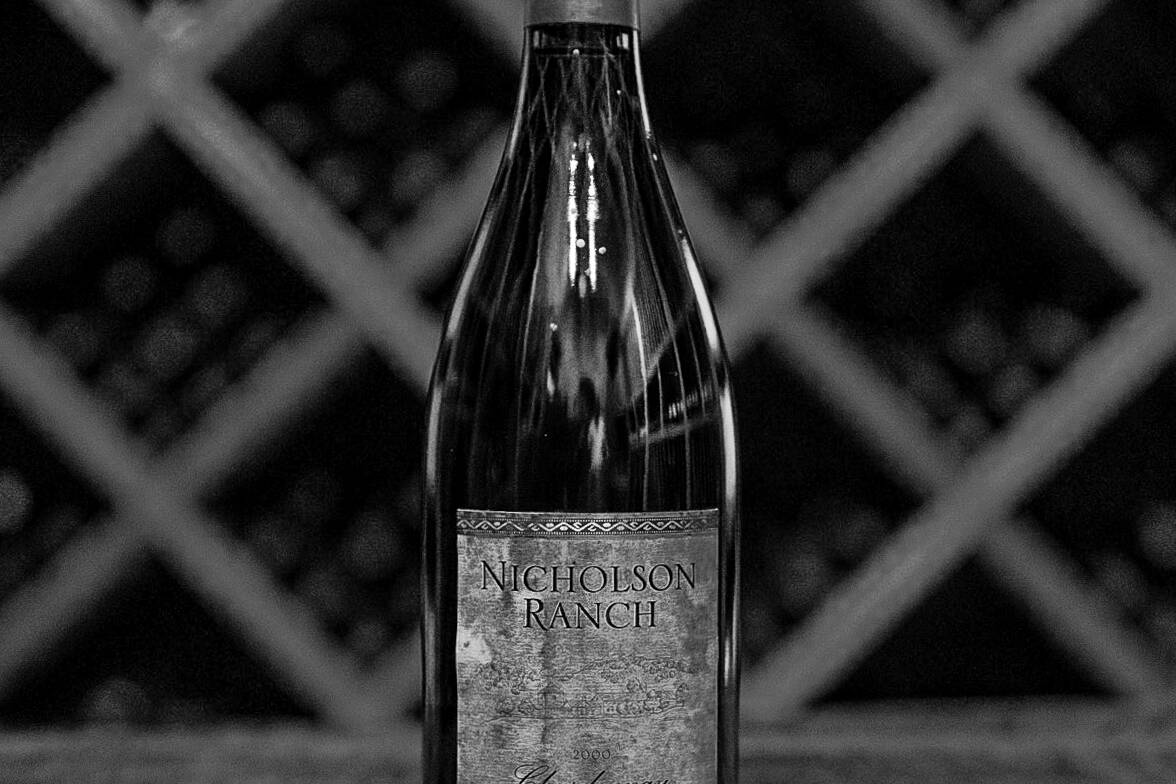
Nicholson Ranch: A Sonoma Estate with Soul
Tucked along Highway 121 between Sonoma and Napa Valleys, Nicholson Ranch…

May 13, 2026
The Power of LIVE Social Selling on TikTok: Why Wine Is the Next Big Thing (Stats, Stories & Strategies)
If you’ve ever dreamed of turning your love for wine into a vibrant online…
May 11, 2026
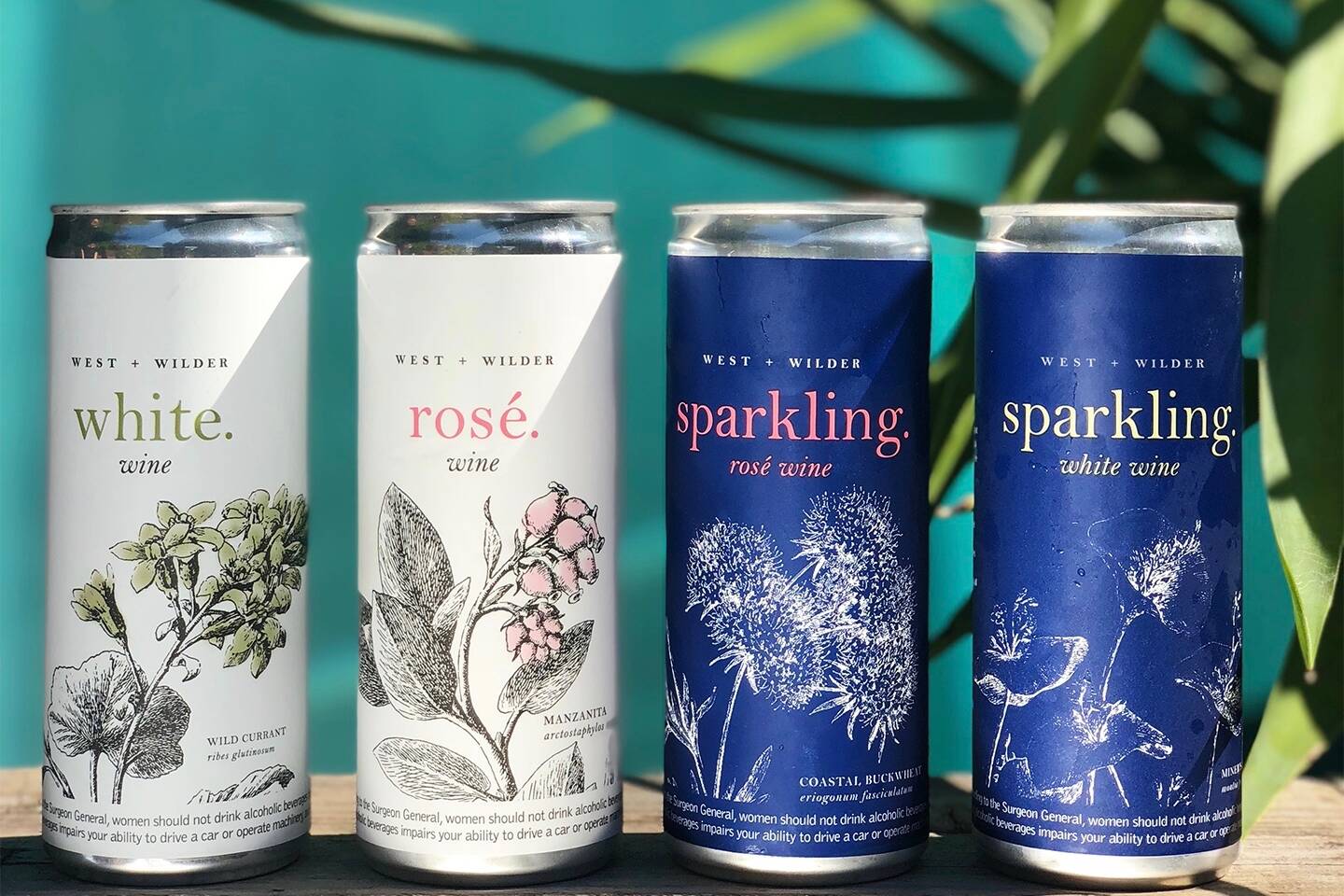
The Rise of ‘Tinnification’: Why Canned Wine Is Taking Over
In recent years, the wine industry has experienced a significant shift towards…