

She Raised Her Prices and Lost Half Her Clients (Then Everything Got Easier)
The email sat in drafts for three days.
Subject line:
Pricing Update
Emma must have rewritten it twenty times.
Every version sounded either too apologetic or too aggressive.
Too soft.
Too corporate.
Too awkward.
She stared at the screen thinking:
“This is how they all leave.”
For four years, Emma ran a small social media management business.
Nothing flashy.
Local cafés.
Boutique brands.
A few online shops.
She created posts, wrote captions, scheduled content.
Good work.
Reliable.
Affordable.
Very affordable.
Too affordable.
But that’s how she got started.
Low prices felt safe.
Easy yeses.
Less rejection.
When she charged $400 a month, people didn’t hesitate.
When she raised it to $600, they still said yes.
So she kept telling herself:
“It’s fine. Volume makes up for it.”
It didn’t.
At her busiest, she had 22 clients.
Twenty-two.
Which sounded impressive when she said it out loud.
But felt ridiculous when she lived it.
Twenty-two Slack threads.
Twenty-two content calendars.
Twenty-two personalities.
Twenty-two sets of “quick edits.”
Her days became a blur of tiny tasks.
Caption tweaks.
Hashtag swaps.
“Can we post this now instead?”
Nothing hard.
Just endless.
Death by a thousand paper cuts.
She worked 10 hours a day and still felt behind.
Weekends weren’t weekends.
Just catch-up days.
Her laptop lived on the kitchen table.
Dinner got cold while she “just finished something real quick.”
She told herself:
“This is what growth looks like.”
But it didn’t feel like growth.
It felt like drowning slowly.
The moment that cracked her wasn’t dramatic.
It was math.
One Tuesday night, exhausted, she calculated her real hourly rate.
After revisions.
After calls.
After admin.
After the emotional labor of managing 22 different expectations.
She wasn’t making $600 per client.
She was making about $18 an hour.
Less than she made at her old job.
She stared at the number like it was a typo.
Four years into “entrepreneurship”…
And she’d accidentally built herself a low-paying, high-stress job.
With no benefits.
No off switch.
And way more anxiety.
She laughed.
Then felt like crying.
Her first instinct was obvious:
“I need more clients.”
More revenue fixes everything, right?
But even thinking about adding another client made her chest tighten.
She couldn’t breathe.
Another calendar.
Another inbox.
Another “urgent” message.
She didn’t need more.
She needed less.
But less meant less money.
Which meant risk.
And risk meant fear.
That week, she met her friend Jordan for coffee.
Another small business owner.
He listened quietly while she vented.
Then asked one annoying question:
“Why don’t you just charge more?”
She rolled her eyes.
“Because they’ll leave.”
“Maybe,” he shrugged. “But what if the wrong ones leave?”
She hated how simple he made it sound.
If raising prices were easy, everyone would do it.
But it felt personal.
Like telling people:
“You can’t afford me anymore.”
Like rejection in reverse.
Like she was being greedy.
Still, she couldn’t ignore the math.
So she opened a spreadsheet.
If she charged double…
She’d only need half the clients.
Half the calls.
Half the chaos.
Same money.
Less stress.
It looked obvious on paper.
So why did it feel terrifying?
Because numbers are logical.
Humans aren’t.
She finally wrote the email.
Short.
Clear.
No apology.
“Starting next month, my monthly rate will be $1,200. I completely understand if this no longer fits your budget, and I’m happy to help with the transition.”
Her finger hovered over send.
Heart racing like she was about to jump off a cliff.
Then she clicked.
Closed the laptop.
Went for a walk.
Didn’t check her phone for an hour.
When she came back, replies waited.
Her stomach flipped.
One by one, she opened them.
“Totally understand — we’ll have to pause.”
“Out of our budget right now.”
“Thanks for everything!”
Each one felt like a tiny breakup.
Polite.
Professional.
Still painful.
By the end of the day, nine clients left.
Then three more the next week.
Half her roster gone.
Just like she feared.
Her calendar suddenly looked empty.
Too empty.
She panicked.
“What did I do?”
“What if no one stays?”
“What if I just destroyed my business?”
She barely slept that week.
But something strange happened.
The clients who stayed?
Didn’t complain.
Didn’t negotiate.
Didn’t ask for discounts.
They just said:
“Cool — send the new invoice.”
And those clients behaved differently.
They respected boundaries.
Consolidated feedback.
Stopped nitpicking tiny things.
Paid faster.
Showed up prepared.
It was like they valued her more.
Because they were paying more.
With fewer clients, her days slowed down.
She could actually think.
Plan.
Be creative again.
Posts got better.
Strategy got deeper.
Results improved.
One client doubled their engagement.
Another increased sales.
They started referring her to similar businesses.
Higher-quality ones.
Higher-budget ones.
Within four months, she had 12 clients again.
Not 22.
Twelve.
Making more money than before.
Working maybe six hours a day.
Weekends free.
Gym again.
Cooking again.
Laughing again.
It felt like she got her life back.
Looking back, she realized something uncomfortable:
Low prices hadn’t made her “nice.”
They made her resentful.
Every extra request felt heavy.
Every message annoyed her.
Because she was underpaid.
Underpaid people burn out faster.
Not because they’re lazy.
Because the math doesn’t work emotionally.
Energy out > value in.
That imbalance eats you alive.
Now when new freelancers ask her:
“How do I get more clients?”
She smiles and says:
“Try needing fewer first.”
They look confused.
But she means it.
Because sometimes growth isn’t adding.
It’s removing.
Raising standards.
Charging what your time actually costs.
And trusting that the right people will stay.
The email she was so afraid to send?
It didn’t destroy her business.
It revealed it.
Showed her which clients were a fit.
And which ones were just noise.
Turns out, losing half her clients wasn’t the end.
It was the first time her business actually felt sustainable.
And sustainable beats busy.
Every time.

Related Posts
May 30, 2026
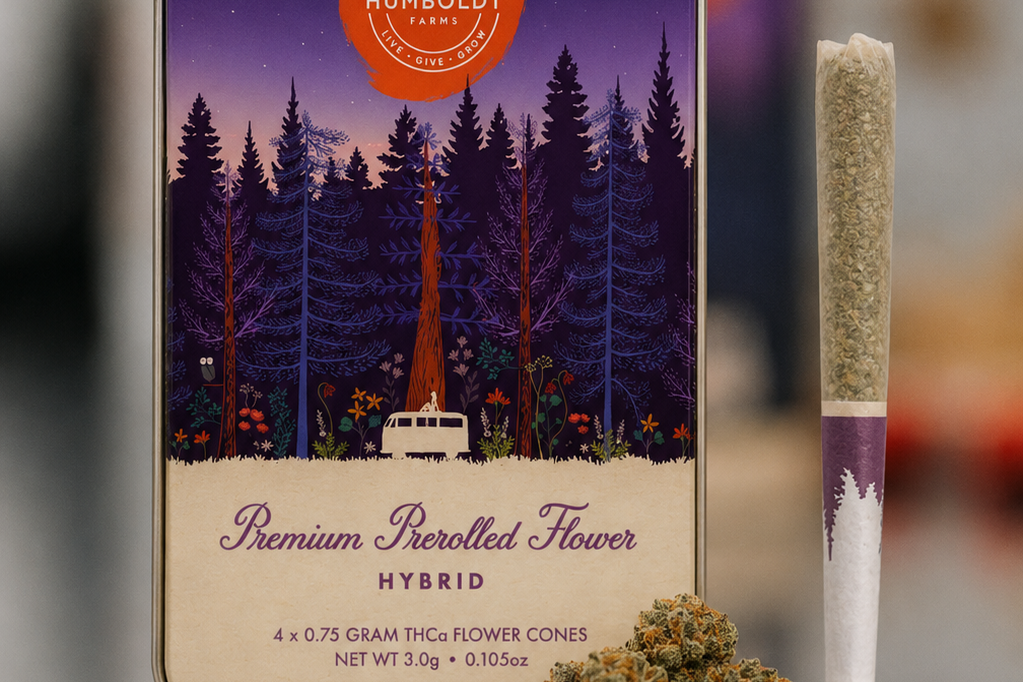
Why Premium Pre-Rolls Are Becoming the Preferred Choice for Modern Consumers
Not everyone wants to grind flower, pack cones, or spend time preparing for…

May 26, 2026
Dr. Chris Croley: Elevating Aesthetics with Authority, Heart, and Innovation
Introduction: A New Chapter Begins In June 2025, aesthetic medicine gained a…
May 20, 2026
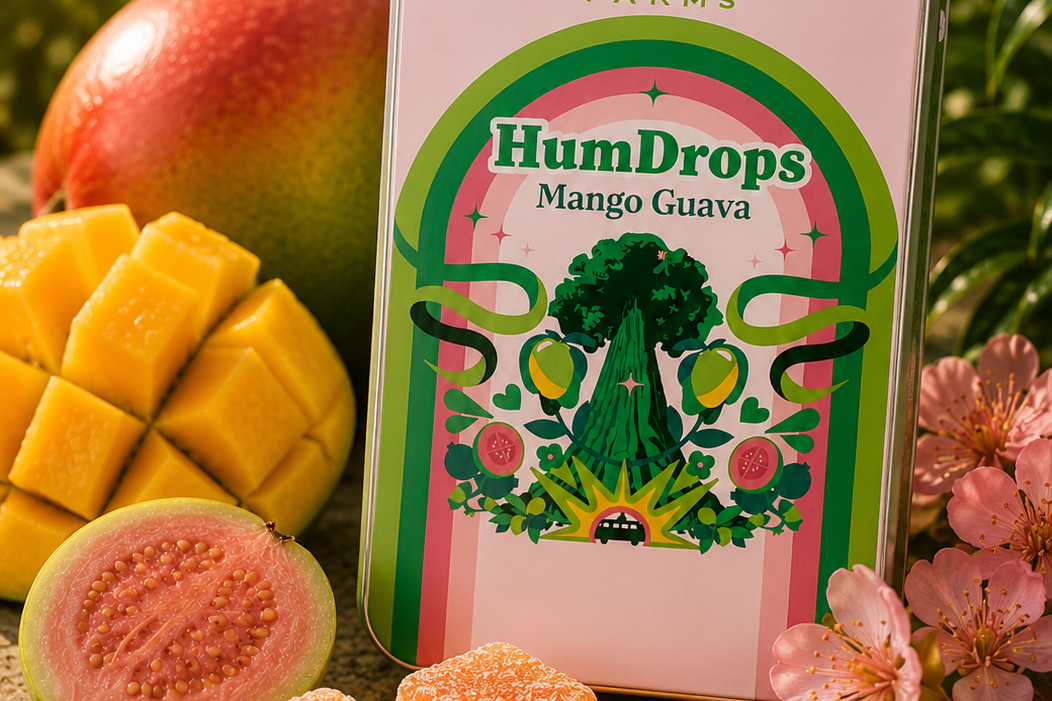
Why More Adults Are Choosing Mango Guava Gummies Instead of Alcohol to Unwind
For decades, unwinding after a long day usually meant pouring a glass of wine,…