

She Stopped Chasing Growth and Accidentally Built a More Profitable Business
Why slowing down became the smartest strategy she ever used
At 9:03 a.m., Claire was already tired.
Not physically.
Mentally.
The kind of tired that comes from opening your laptop and immediately feeling behind.
Slack notifications.
Customer emails.
Ad performance alerts.
A supplier asking for forecasts.
A mentor texting:
“You should really push harder this quarter.”
Push harder.
Everyone kept saying that.
Push more ads.
Push more launches.
Push more content.
Push more growth.
So she did.
And somehow, the harder she pushed, the worse everything felt.
The Business That “Looked” Successful
From the outside, Claire’s e-commerce brand was thriving.
Monthly revenue: $40–50K.
Cute packaging.
A growing Instagram.
Influencers tagging her products.
Friends constantly saying:
“Your business is blowing up!”
She’d smile and say thanks.
But inside?
She felt like she was sprinting on a treadmill that never stopped.
Revenue kept increasing.
So did expenses.
So did stress.
So did mistakes.
It was like trying to carry water in a bucket full of holes.
More effort.
Same exhaustion.
The Hidden Math Nobody Shows
One night, after another 14-hour day, she finally opened her books properly.
Not just revenue.
Everything.
Ads.
Packaging.
Returns.
Software.
Freelancers.
Shipping errors.
Rush inventory.
She calculated her actual take-home pay.
Then stared at the number.
It was… underwhelming.
For all that chaos?
She was paying herself less than she made at her old marketing job.
She laughed.
Then cried a little.
Because how could a $40K month feel like struggle?
The Addiction to Growth
She realized something uncomfortable:
She wasn’t growing because it made sense.
She was growing because it looked impressive.
Big months felt validating.
They made her feel legit.
Like a “real” founder.
But growth had quietly become an addiction.
Every time revenue dipped slightly, panic.
Every time ads slowed, anxiety.
Every time someone else posted a bigger launch, comparison.
It wasn’t a business anymore.
It was emotional roulette.
And she was losing sleep over numbers that didn’t even reflect profit.
The Conversation That Changed Her Mind
At a coffee shop, she vented to her friend Sam, who also owned a business.
“I just need to scale,” she said. “If I hit $100K months, everything will be easier.”
Sam looked confused.
“Why?”
“So I can finally relax.”
He stirred his coffee.
“Do you know anyone who relaxed after scaling?”
She paused.
Actually… no.
Everyone she knew who scaled looked more stressed.
Not less.
More meetings.
More fires.
More problems.
Bigger numbers.
Bigger headaches.
It hit her:
Maybe growth wasn’t the solution.
Maybe it was the source.
The Radical Experiment
The next month, Claire did something that felt almost irresponsible.
She stopped pushing.
No new ads.
No new products.
No launches.
No “scale strategies.”
Just maintenance.
Serve existing customers.
Fulfill orders well.
Fix small issues.
That’s it.
It felt wrong.
Like she was being lazy.
Like she was falling behind.
Every entrepreneur voice online screamed:
“MOVE FASTER.”
She intentionally didn’t.
What Happened When Nothing Happened
Week one: quiet.
Week two: still steady.
Week three: sales… didn’t drop.
Customers still bought.
Emails still came.
Orders still shipped.
The business didn’t collapse just because she stopped forcing it.
Which surprised her.
Because she’d assumed everything depended on constant hustle.
Turns out, a lot of her effort wasn’t growth.
It was noise.
Busywork disguised as progress.
The Cleanup Phase
With extra time, she started fixing things she’d ignored:
Better supplier rates.
Simpler packaging.
Higher prices.
Removing slow products.
Automating emails.
Tightening margins.
Boring stuff.
Not Instagram-worthy.
But powerful.
Within two months:
Revenue slightly down.
Profit significantly up.
She was working 25–30% fewer hours.
Making more money.
How was that possible?
Because she finally optimized for profit.
Not ego.
The Day She Noticed the Difference
One Thursday afternoon, she went for a walk.
Middle of the day.
Phone in pocket.
No anxiety.
No “I should be working.”
She watched an older couple arguing playfully over which plants to buy.
Sunlight.
Normal life.
And she thought:
“Oh. This is what I wanted.”
Not $100K months.
Not viral launches.
Not founder clout.
Just… space.
Space to breathe.
Space to live.
Space to think.
She almost cried again.
But this time from relief.
The Truth Nobody Posts About
Growth isn’t automatically good.
Bigger isn’t automatically better.
Faster isn’t automatically smarter.
Sometimes growth hides inefficiency.
Sometimes scale multiplies problems.
Sometimes more revenue just means more chaos.
But no one posts:
“Made less this month, but way happier.”
Because it’s not sexy.
It doesn’t trend.
But it’s real.
How She Runs It Now
Today, Claire has one rule:
No growth that breaks the lifestyle.
If something increases revenue but increases stress?
It’s a no.
If something simplifies the business but looks “smaller”?
It’s a yes.
She doesn’t chase bigger months anymore.
She protects calmer ones.
Ironically?
That’s when the business became healthiest.
Final Thought
Entrepreneurship sold her the dream of more.
More money.
More scale.
More momentum.
But what she actually wanted was less.
Less stress.
Less noise.
Less chaos.
Sometimes the bravest move in business isn’t pushing harder.
It’s stepping back.
Because you might discover you already have enough.

Related Posts
May 30, 2026
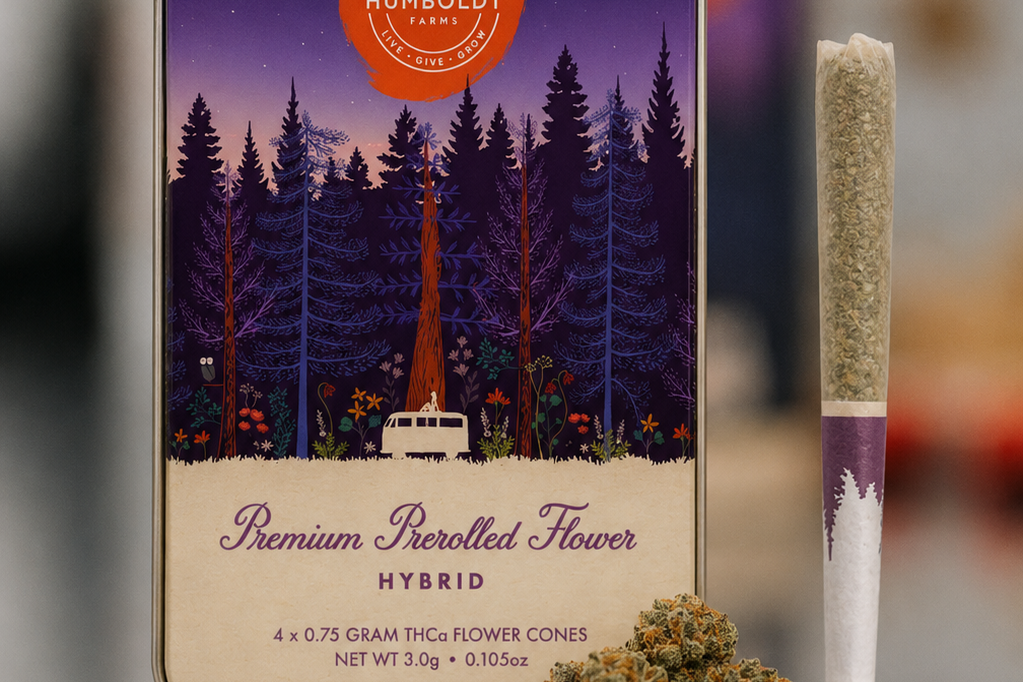
Why Premium Pre-Rolls Are Becoming the Preferred Choice for Modern Consumers
Not everyone wants to grind flower, pack cones, or spend time preparing for…

May 26, 2026
Dr. Chris Croley: Elevating Aesthetics with Authority, Heart, and Innovation
Introduction: A New Chapter Begins In June 2025, aesthetic medicine gained a…

May 20, 2026
Why More Adults Are Choosing Mango Guava Gummies Instead of Alcohol to Unwind
For decades, unwinding after a long day usually meant pouring a glass of wine,…