

The Micro-Brand Era — Why Small, Focused Businesses Are Outperforming Giants
For decades, bigger meant better.
Large corporations dominated markets through scale, distribution power, and advertising budgets. The assumption was simple: whoever had the most resources would win.
But in 2026, the playing field looks different.
Small, focused brands are not only surviving — they are thriving.
Welcome to the era of the micro-brand.
What Is a Micro-Brand?
A micro-brand is not defined by size alone.
It is defined by focus.
Micro-brands:
-
Serve a specific niche
-
Offer a tightly defined product or service
-
Build direct relationships with customers
-
Operate with lean teams
-
Prioritize identity over mass appeal
They are not trying to win the entire market.
They are trying to own a corner of it.
And increasingly, that strategy works.
The Power of Specificity
Consumers today are overwhelmed by choice.
When faced with too many options, people gravitate toward clarity.
A brand that says,
“We are for everyone,”
often feels generic.
A brand that says,
“We exist for this specific type of person with this specific problem,”
feels intentional.
Specificity builds trust faster than scale.
Why Big Brands Are Slower
Large companies often struggle with:
-
Bureaucracy
-
Slow decision-making
-
Risk aversion
-
Brand dilution
-
Inconsistent customer experience
Micro-brands move differently.
They can:
-
Launch faster
-
Adjust pricing quickly
-
Test messaging in real time
-
Respond personally to customers
-
Pivot without committee approval
Agility is a competitive advantage.
Community Over Audience
Micro-brands do not chase audiences.
They build communities.
An audience watches.
A community participates.
Communities create:
-
Repeat customers
-
Word-of-mouth marketing
-
Organic advocacy
-
Emotional loyalty
When customers feel seen and understood, they become ambassadors.
And ambassadors reduce marketing costs.
Margin Over Volume
Large brands often depend on high volume to sustain thin margins.
Micro-brands flip this model.
They charge premium prices for specialized value.
Because they are focused, they can:
-
Deliver higher quality
-
Personalize service
-
Build deeper expertise
-
Offer differentiated experiences
Higher margins mean less pressure to scale aggressively.
Less pressure means more control.
Direct-to-Consumer Infrastructure
Technology has leveled the field.
In the past, small brands needed distributors, retailers, or heavy advertising budgets.
Now they can:
-
Sell directly online
-
Build email lists
-
Leverage niche social platforms
-
Run targeted ads efficiently
-
Automate operations with affordable tools
Infrastructure that once required millions now requires strategy.
Access has democratized opportunity.
Identity as Strategy
Micro-brands win because identity is not an afterthought.
It is the core strategy.
Their branding, messaging, visuals, and tone are aligned tightly with their audience.
They are not trying to be neutral.
They are distinct.
And distinct brands are easier to remember.
In crowded markets, memorability matters more than reach.
The Risk of Overexpansion
Ironically, the biggest threat to micro-brands is becoming too big too fast.
When they expand beyond their niche:
-
Messaging weakens
-
Community fragments
-
Operational complexity increases
-
Identity blurs
The strength of a micro-brand lies in its restraint.
Focused growth sustains differentiation.
How to Build a Successful Micro-Brand
If you are building in 2026, consider these principles:
-
Choose a niche you understand deeply.
-
Solve a specific problem better than anyone else.
-
Speak directly to your ideal customer.
-
Build systems that support lean operations.
-
Protect your brand identity as you grow.
Growth should expand impact — not dilute clarity.
The Emotional Advantage
Large corporations optimize for efficiency.
Micro-brands optimize for connection.
Connection is harder to replicate.
Customers today value:
-
Transparency
-
Accessibility
-
Founder visibility
-
Shared values
-
Authentic communication
When people feel emotionally connected, they stay longer.
Retention becomes the growth engine.
The Future Is Fragmented
Mass markets are fragmenting into micro-communities.
People identify more strongly with subcultures, interests, and values than with broad categories.
This fragmentation creates opportunity.
Instead of competing for millions, you can dominate thousands.
And thousands of loyal customers can build a very profitable business.
Small Is Strategic
The goal in 2026 is not necessarily to become massive.
It is to become essential to a specific group.
Essential brands:
-
Understand their customers intimately
-
Deliver consistent value
-
Maintain strong margins
-
Operate with agility
-
Build real loyalty
Scale is optional.
Clarity is not.
In the micro-brand era, small is not a limitation.
It is a strategy.

Related Posts
May 30, 2026
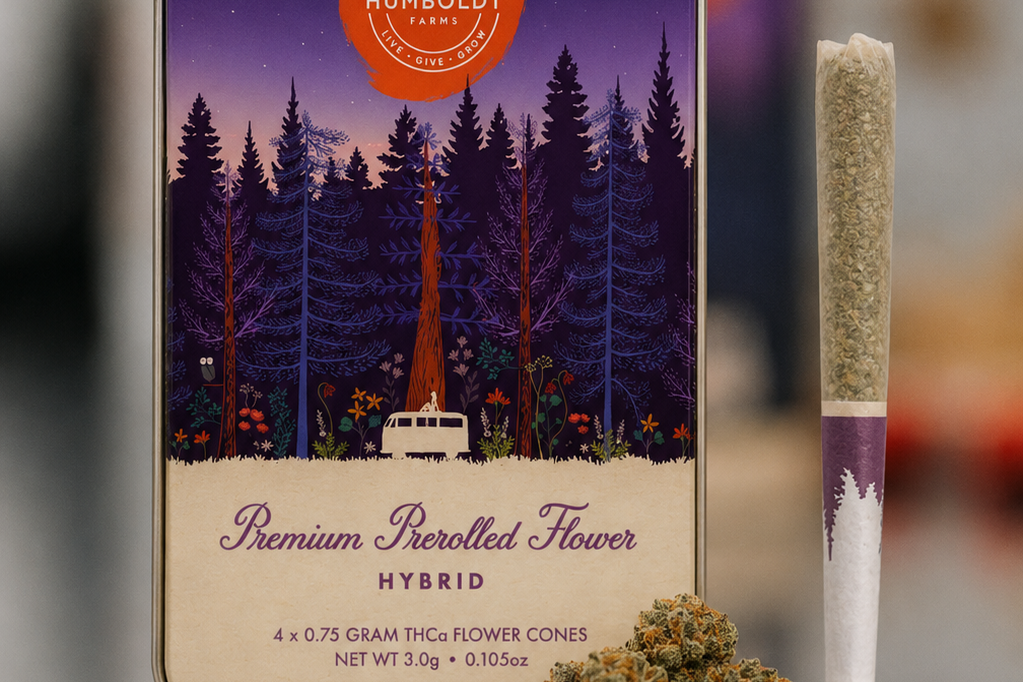
Why Premium Pre-Rolls Are Becoming the Preferred Choice for Modern Consumers
Not everyone wants to grind flower, pack cones, or spend time preparing for…

May 26, 2026
Dr. Chris Croley: Elevating Aesthetics with Authority, Heart, and Innovation
Introduction: A New Chapter Begins In June 2025, aesthetic medicine gained a…

May 20, 2026
Why More Adults Are Choosing Mango Guava Gummies Instead of Alcohol to Unwind
For decades, unwinding after a long day usually meant pouring a glass of wine,…