

On paper, Aaron was winning.
Revenue up 40% year over year.
Team growing.
New clients every week.
People calling him “the CEO.”
The kind of progress most founders post screenshots about.
But on a random Thursday afternoon, he found himself sitting in his car outside the grocery store, staring at the steering wheel, not moving.
He wasn’t tired.
He wasn’t sick.
He just… didn’t want to go back to work.
Not because something was wrong.
Because something felt off.
And the thought that scared him most wasn’t:
“This is too hard.”
It was:
“I don’t even think I want this anymore.”
The Dream He Inherited
Aaron didn’t consciously choose a “big” business.
He inherited the dream.
From podcasts.
From Twitter threads.
From startup culture.
The narrative was always the same:
Bigger is better.
More revenue = more freedom.
More employees = more legitimacy.
More scale = more success.
So he followed the path like it was obvious.
Hit $10k months.
Then $30k.
Then $60k.
Every milestone unlocked a new goal.
But the goalposts kept moving.
And somehow, “enough” never showed up.
What Growth Quietly Cost
Growth looked great from the outside.
Inside, it felt different.
More people meant:
More meetings.
More management.
More HR issues.
More approvals.
More responsibility.
His days used to look like:
Create.
Solve.
Build.
Now they looked like:
Check-ins.
Status updates.
Conflict resolution.
Budget reviews.
He wasn’t doing the work he loved anymore.
He was supervising people who did it.
He had become a professional decision-maker.
Not a builder.
The Weird Grief No One Talks About
One night, he opened an old folder on his laptop.
Projects from when he first started.
Scrappy designs.
Messy ideas.
Late-night experiments.
He remembered the feeling back then.
Excitement.
Curiosity.
Flow.
Now everything felt… heavy.
Corporate.
He realized something strange:
He missed when it was smaller.
And that thought made him feel guilty.
Because you’re not supposed to miss being small.
You’re supposed to “level up.”
But what if leveling up isn’t what you actually want?
The Conversation That Changed Everything
The breaking point came during dinner with an old friend, Mia.
She asked casually:
“So what’s the goal now?”
He launched into autopilot:
“Scale the team, hit seven figures, maybe expand into—”
She interrupted.
“No, I mean… what do you want your life to look like?”
He stopped.
No one had asked it like that before.
Not revenue.
Not growth.
Life.
He didn’t have an answer.
Which terrified him.
Because he had spent five years designing a business.
And zero time designing a life.
Reverse Engineering Happiness
The next morning, Aaron tried something new.
Instead of planning revenue targets, he wrote:
What would my ideal day look like?
He listed:
Wake up without an alarm
Work 4–5 focused hours
Create things myself
Small team
No constant Slack
Evenings free
Time to travel
Time to think
Then he looked at his current business.
It required:
10-hour days
20+ meetings a week
Constant management
Zero flexibility
Endless stress
He had built something completely incompatible with the life he wanted.
And he had done it accidentally.
By blindly chasing “growth.”
The Radical Decision
Here’s the part most founders would call crazy.
Aaron didn’t scale harder.
He downsized.
He:
Let go of two services
Reduced team size
Stopped chasing enterprise clients
Turned down projects that required heavy management
Focused only on the highest-margin, simplest offers
Friends thought he was shrinking.
“Is everything okay?”
“Are you pivoting?”
“Did something happen?”
Nothing happened.
Except clarity.
What Happened Next (That He Didn’t Expect)
Revenue dipped at first.
Of course.
But so did expenses.
And stress.
And complexity.
Within six months:
Fewer clients
Higher margins
Half the meetings
More profit
Way more time
He worked less and kept almost the same income.
Which made him laugh.
Because he’d spent years building a big machine…
When a small one would’ve given him the same life with half the effort.
The Lie About “Small”
Somewhere along the way, “small” became an insult in business.
Small means failing.
Small means amateur.
Small means stuck.
But Aaron started seeing it differently.
Small meant:
Agile
Calm
Profitable
Personal
Flexible
Small meant he could breathe.
Small meant he actually enjoyed Mondays.
Which felt like success in a way revenue graphs never did.
Redefining the Goal
Now when people ask about his plans, he says something that confuses them:
“I’m trying to keep the business small on purpose.”
Not tiny.
Not struggling.
Just intentionally sized for his life.
Big enough to support him.
Small enough not to consume him.
Because the goal isn’t to build the biggest company you can survive.
It’s to build the smallest one that gives you everything you want.
Conclusion
Aaron didn’t fail.
He didn’t burn out.
He didn’t crash.
He simply realized:
He didn’t actually want a big business.
He wanted a good life.
And those aren’t always the same thing.
Sometimes entrepreneurship isn’t about adding more.
It’s about having the courage to say:
“This is enough.”
And designing something that fits you — instead of impressing everyone else.
Because success isn’t measured by how big your business gets.
It’s measured by how much of your life you get to keep.

Related Posts
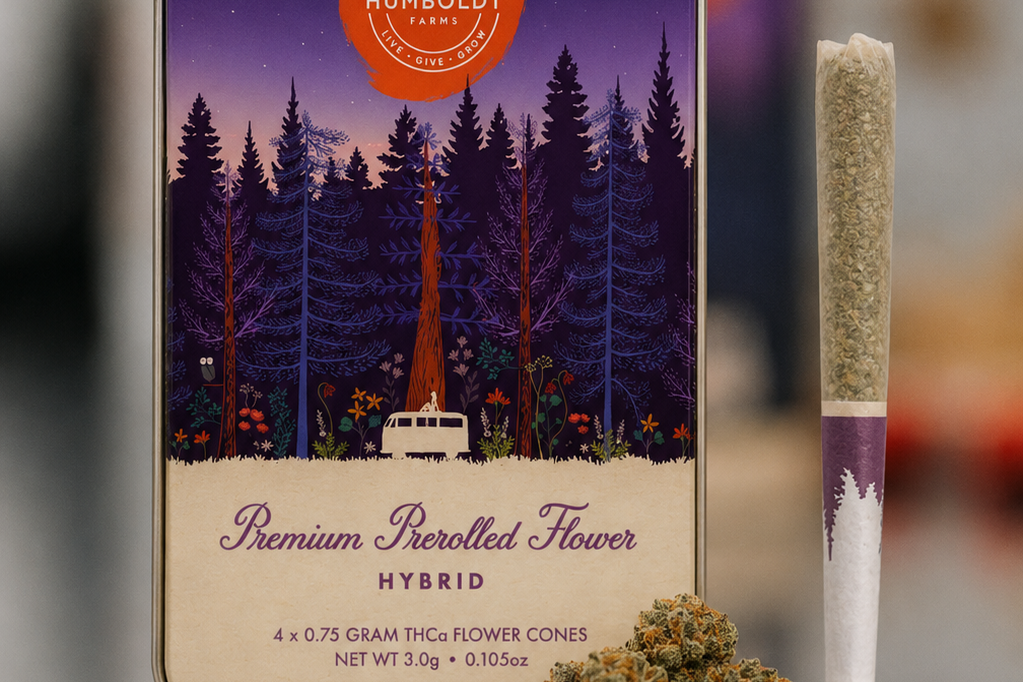
May 30, 2026
Why Premium Pre-Rolls Are Becoming the Preferred Choice for Modern Consumers
Not everyone wants to grind flower, pack cones, or spend time preparing for…
May 26, 2026
Dr. Chris Croley: Elevating Aesthetics with Authority, Heart, and Innovation
Introduction: A New Chapter Begins In June 2025, aesthetic medicine gained a…
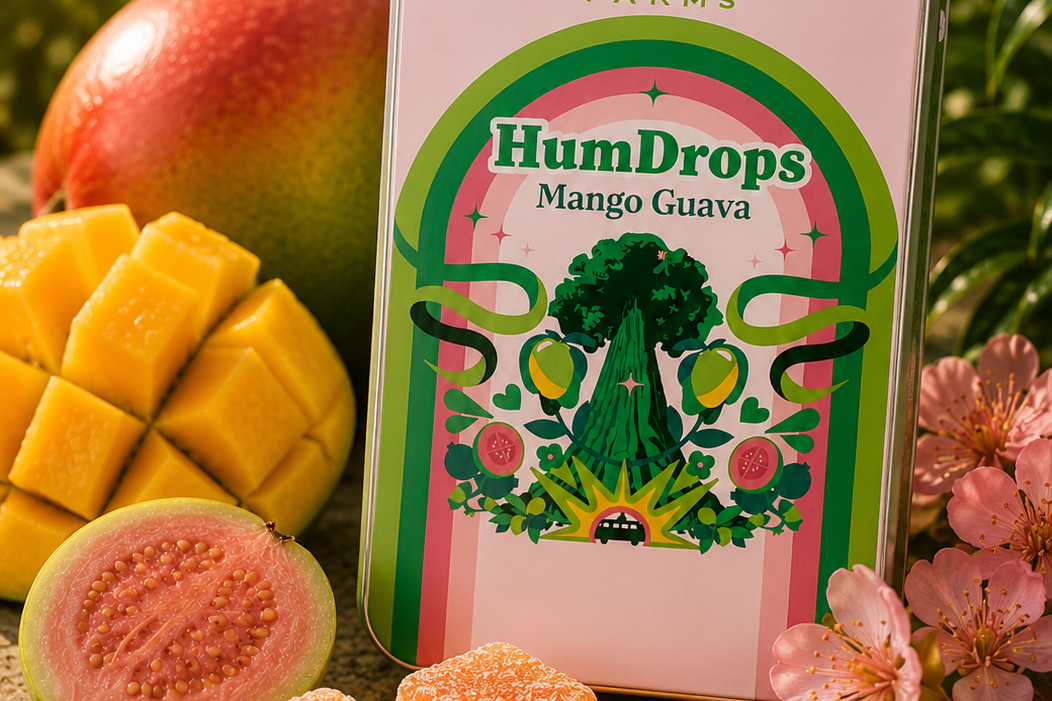
May 20, 2026
Why More Adults Are Choosing Mango Guava Gummies Instead of Alcohol to Unwind
For decades, unwinding after a long day usually meant pouring a glass of wine,…