

The Experience Economy 2.0: How Technology Is Redefining Customer Engagement
Customer expectations are entering a new era. No longer impressed by basic convenience or traditional loyalty programs, today’s consumers crave experiences that feel personal, intuitive, and emotionally resonant. In 2026, this shift has escalated into what experts call the Experience Economy 2.0 — a powerful transformation driven by technology, behavior insights, and ever-rising standards of digital excellence.
What makes this new phase different is the fusion of advanced data, AI personalization, immersive environments, and instant-on-demand access. Businesses that embrace these changes are seeing stronger loyalty, deeper brand connection, and greater competitive advantage. Those that don’t are quietly fading into irrelevance.
In this landscape, the brands winning the future are the ones capable of transforming transactions into memorable, multi-sensory, story-driven experiences.
1. The New Standard: Personalized Everything
Personalization has evolved from marketing buzzword to business necessity. But in 2026, personalization is no longer limited to tailored emails or product recommendations — it has become dynamically adaptive.
Adaptive personalization includes:
-
Real-time recommendations based on behavior
-
AI-generated product bundles
-
Personalized digital storefronts
-
Dynamic pricing shaped by purchase patterns
-
Custom user journeys that change as needs evolve
Today’s consumer expects brands to:
Know them. Understand them. Anticipate them. And reflect them.
A seamless blend of behavioral data and machine learning allows businesses to build experiences that feel made for each individual, turning passive customers into active brand participants.
2. Immersive Tech: From Engagement to Emotion
The Experience Economy 2.0 is not only about efficiency — it’s about emotional impact. Technology now enhances the senses, making experiences both memorable and meaningful.
Key immersive technologies reshaping consumer interactions:
→ Augmented Reality (AR)
Customers can “try before they buy”:
-
Furniture visualized in their homes
-
Virtual wine tasting experiences
-
Fashion overlays directly on the body
-
Digital product walkthroughs
→ Virtual Reality (VR)
VR enables fully immersive brand storytelling:
-
Virtual showrooms
-
Interactive tours
-
Behind-the-scenes production journeys
-
Live global events in virtual spaces
→ Spatial computing
Brands are beginning to build mixed-reality hubs where digital layers enhance real-world spaces, creating experiences that blend physical presence with digital depth.
These technologies transform engagement from passive browsing into active exploration — and customers love it.
3. Hyper-Convenience: The New Luxury
The Experience Economy 2.0 defines a new kind of luxury: effortlessness.
Modern consumers now expect:
-
Instant customer support
-
One-click checkout
-
Same-day delivery
-
Real-time order tracking
-
Frictionless subscriptions
-
Seamless multi-device continuity
Convenience has become emotional — customers feel relief when brands remove friction.
This is why AI-powered service, automated logistics, and predictive fulfillment are no longer optional. When a customer says, “This was easy,” the brand has already won.
4. Emotion-Driven Branding: Stories That Stick
Consumers no longer choose brands solely for features or price — they choose based on connection, identity, and shared values.
To stand out, companies must craft experiences that evoke emotion through storytelling, community, and purpose.
High-performing brands today:
-
Build narratives that make customers feel part of something
-
Create communities around shared interests
-
Use micro-content (short videos, stories, livestreams) to stay present
-
Invite customers into the creative process
-
Turn values into action, not slogans
Experience 2.0 brands recognize that loyalty is emotional and that emotion is created through meaningful storytelling.
5. AI-Driven Support: Instant, Intelligent, Human
Customer service is entering its most transformative era yet. Instead of waiting, navigating menus, or repeating information, customers now experience support that feels immediate and intuitive.
Powered by conversational AI and automation, brands offer:
-
24/7 intelligent assistance
-
Predictive answers before the customer types
-
Automated resolutions for simple tasks
-
Human escalation for complex issues
-
Tone-adjusted responses that feel empathetic and natural
AI is not replacing human service — it’s elevating it. The result is support that is faster, more accurate, and more aligned with customer expectations.
6. The Rise of Community Commerce
Today’s consumers trust communities more than advertisements. Experience 2.0 brands build ecosystems where customers connect with one another, not just the company.
Community commerce includes:
-
Live shopping events
-
Social reviews and peer recommendations
-
Influencer-led digital experiences
-
Brand ambassador programs
-
Group-based loyalty systems
A community-driven experience turns customers from buyers into advocates — the most powerful marketing force available.
7. Data Ethics: Building Trust in the Age of Personalization
With personalization and immersion comes a responsibility: protecting consumer data and respecting privacy.
Brands that thrive in this new era prioritize:
-
Transparent data practices
-
Opt-in personalization
-
Responsible AI usage
-
Clear consumer control
-
Ethical data storage
Trust fuels loyalty. Without it, even the most impressive experience collapses.
Conclusion
The Experience Economy 2.0 marks a defining shift in how customers interact with brands and how brands must operate to stay relevant. The future belongs to businesses that understand the emotional, technological, and behavioral evolution of consumers — and design experiences that honor these expectations.
By combining personalization, immersive tech, convenience, AI-driven service, and value-driven storytelling, companies create memorable journeys that keep customers returning, engaging, and advocating.
Experience is no longer an add-on — it is the heart of modern business.

Related Posts
May 30, 2026
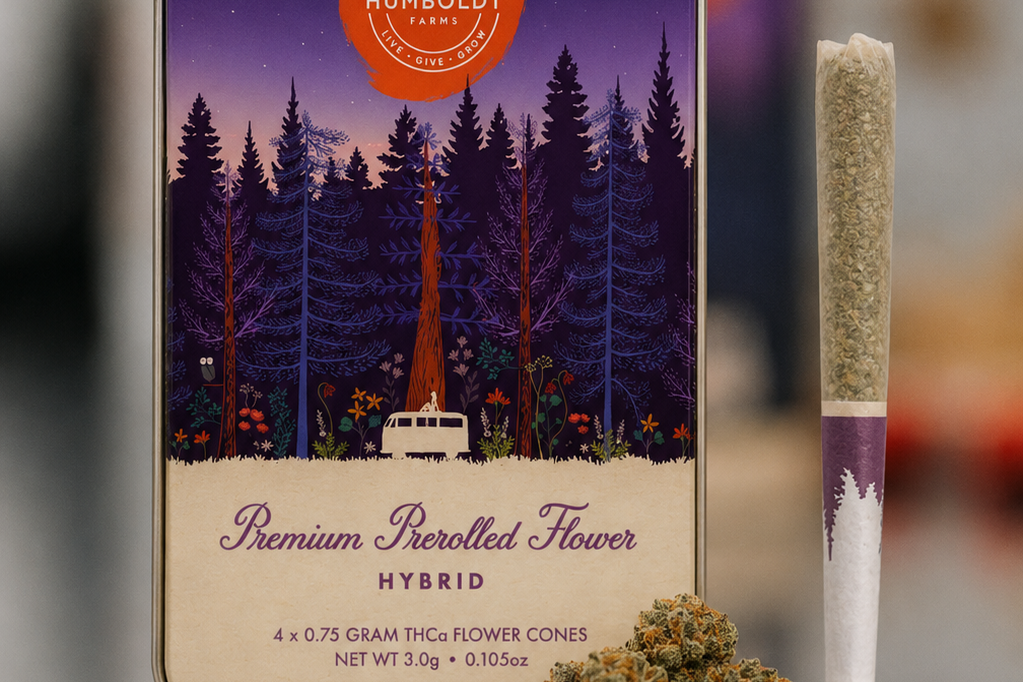
Why Premium Pre-Rolls Are Becoming the Preferred Choice for Modern Consumers
Not everyone wants to grind flower, pack cones, or spend time preparing for…

May 26, 2026
Dr. Chris Croley: Elevating Aesthetics with Authority, Heart, and Innovation
Introduction: A New Chapter Begins In June 2025, aesthetic medicine gained a…
May 20, 2026
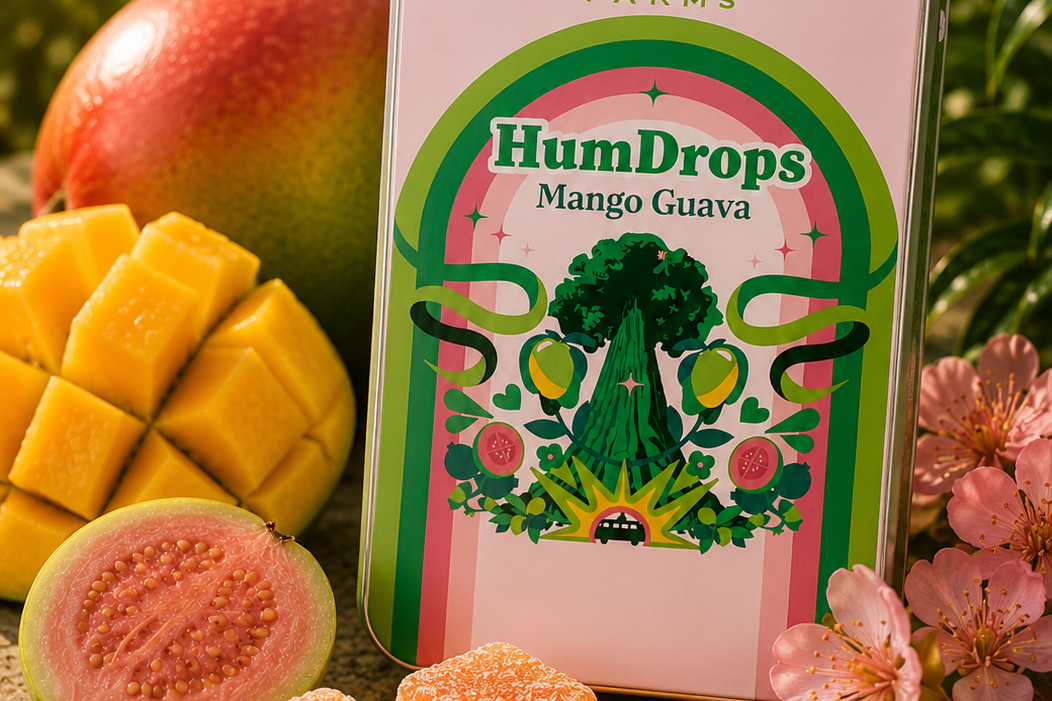
Why More Adults Are Choosing Mango Guava Gummies Instead of Alcohol to Unwind
For decades, unwinding after a long day usually meant pouring a glass of wine,…