


Why Software Is Being Rebuilt Around Workflows, Not Features

For years, technology companies competed by shipping more features. Product roadmaps expanded, interfaces grew more complex, and users were expected to adapt their workflows to the software. In 2026, that model is breaking down.

Modern users no longer want tools—they want outcomes. As a result, software is being redesigned around end-to-end workflows, not standalone features. The winners in this new era are platforms that reduce cognitive load, eliminate friction, and fit seamlessly into how people actually work.


Technology Trends to Watch in 2026

1. Workflow-Centric Product Design

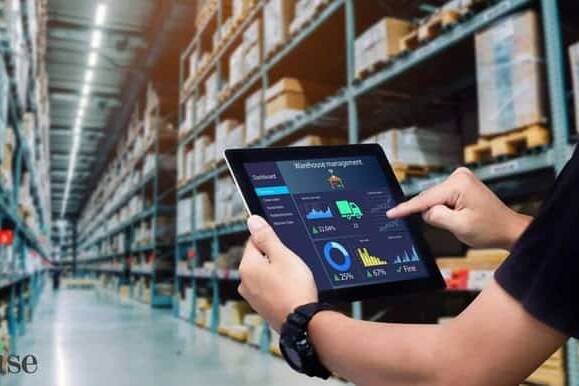
Software products are being built to guide users through complete processes—from initiation to completion—rather than offering isolated capabilities.

2. Fewer Tools, Deeper Integration

Organizations are consolidating their tech stacks, favoring platforms that integrate multiple functions over fragmented best-of-breed tools.

3. Context-Aware Interfaces

Modern software adapts dynamically based on user role, behavior, and stage of work, surfacing only what is needed at the moment.

4. Embedded Automation

Automation is no longer a separate feature. It is baked directly into workflows, handling handoffs, approvals, and repetitive actions invisibly.

5. Outcome-Based Product Metrics

Success is increasingly measured by task completion speed, error reduction, and business impact—not feature usage alone.


How to Apply These Trends Strategically

Map Real User Workflows

Before building features, companies must understand how work actually gets done. Shadow users, analyze friction points, and design around natural sequences of actions.

Design for Completion, Not Configuration

Products should minimize setup and decision-making. Default paths, smart recommendations, and guided flows reduce friction and increase adoption.

Reduce Tool Sprawl

Technology leaders should evaluate where overlapping tools can be replaced with integrated platforms that support complete workflows.

Prioritize Interoperability

APIs, data portability, and native integrations ensure workflows extend across systems without breaking continuity.

Align Teams Around Outcomes

Product, engineering, and design teams should share responsibility for workflow success, not just feature delivery.


Conclusion

In 2026, the most valuable technology is not the most powerful—it is the most intuitive. Software that aligns with human workflows reduces friction, increases efficiency, and drives lasting adoption.

As users grow less tolerant of complexity, companies that design around workflows rather than features will set the standard for the next generation of technology products.

Related Posts

Privacy Preference Center