

AI Sommeliers & Smart Cellars: The Next Evolution of Wine Culture
Once upon a time, choosing wine was an art — a sensory skill reserved for sommeliers and connoisseurs. But in 2026, the art of wine selection is being transformed by artificial intelligence. From AI sommeliers that personalize recommendations to smart cellars that monitor aging and humidity, technology is enhancing the ancient ritual of wine appreciation.
The future of wine isn’t about replacing human intuition — it’s about empowering it. In a world where personalization rules and sustainability matters, AI is becoming the new sommelier, reshaping how we buy, store, and experience wine.
1. The Rise of AI Sommeliers
Imagine walking into a restaurant or logging onto a wine app and being greeted by an AI that knows your taste better than you do. These digital sommeliers analyze your preferences, dining habits, and even mood to recommend the perfect bottle.
How it works:
-
Machine learning models analyze thousands of tasting notes and reviews.
-
Flavor mapping algorithms match wine characteristics with personal taste profiles.
-
Natural language processing allows users to describe what they like — “something bold but not too tannic” — and receive instant, accurate suggestions.
The result is a tailored wine experience that feels intimate and intuitive, blending data science with sensory pleasure.
AI sommeliers are now used by luxury restaurants, e-commerce platforms, and even vineyards to engage customers directly — turning a traditionally intimidating experience into a journey of discovery.
2. Smart Cellars: Where Storage Meets Science
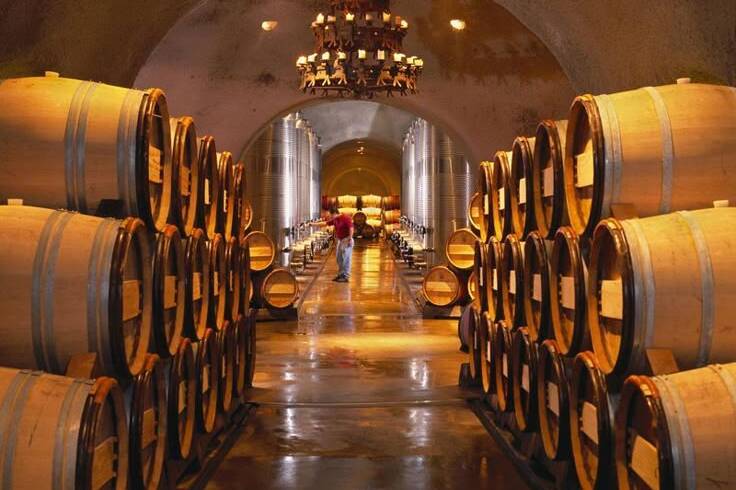
For centuries, wine cellars were symbols of tradition. Now, they’re getting a digital upgrade. Smart cellars equipped with temperature sensors, humidity monitors, and AI aging analytics are revolutionizing how collectors preserve and enjoy their bottles.
Modern systems can:
-
Predict optimal drinking windows using chemical composition data.
-
Alert owners when conditions change or corks risk oxidation.
-
Connect to blockchain records to verify provenance and storage history.
In essence, the smart cellar acts like a digital sommelier — maintaining ideal conditions and ensuring that every bottle evolves perfectly over time.
For wine investors and collectors, these systems bring peace of mind and a layer of transparency that was once impossible.
3. Data-Driven Winemaking
AI isn’t just reshaping how we drink wine — it’s changing how it’s made. Vineyards around the world are now integrating predictive analytics to fine-tune every stage of production.
From grape selection to fermentation, algorithms analyze:
-
Climate and soil data.
-
Sugar levels and acidity ratios.
-
Historical trends and yield outcomes.
This allows winemakers to anticipate quality outcomes and make decisions with scientific precision — ensuring consistent excellence while minimizing waste.
In France, some châteaux are even using AI to simulate vintage outcomes before bottling begins. The result is data-informed artistry, where intuition meets intelligence.
4. Personalized Pairings: From Plate to Glass
In the AI-driven world of 2026, food and wine pairing is being elevated to a new level. Smart menus in fine dining restaurants now sync with digital wine lists to create real-time pairing suggestions.
Here’s how it works:
-
The AI identifies ingredients and flavor intensity in your meal.
-
It cross-references with wine databases and sensory notes.
-
It recommends ideal pairings based on your palate profile, dietary restrictions, or even previous choices.
For home consumers, apps now integrate with smart kitchen devices, suggesting pairings as you cook — transforming casual dinners into curated culinary experiences.
5. The Democratization of Wine Expertise
What was once exclusive knowledge is now accessible to anyone with a smartphone. AI tools and apps are making the world of wine more inclusive and educational.
Through interactive learning:
-
Users can scan a bottle to access vineyard history, reviews, and tasting notes.
-
Voice-guided tastings teach users how to identify aroma, acidity, and body.
-
AR labels offer immersive vineyard tours right from the bottle.
The elitism that once surrounded fine wine is fading — replaced by curiosity, personalization, and connection. AI is breaking barriers, not building them.
6. Sustainability and AI Ethics
As technology becomes central to wine culture, sustainability remains the guiding principle. Smart systems reduce waste and energy use by optimizing logistics and preserving inventory more efficiently.
Wineries are leveraging AI to:
-
Reduce overproduction and transportation emissions.
-
Track water usage and pesticide impact.
-
Monitor carbon footprints across the supply chain.
In this way, AI isn’t just advancing convenience — it’s reinforcing responsible luxury, where innovation and ethics coexist beautifully.
7. The Human Touch: Why Emotion Still Matters
Despite all the algorithms and automation, wine is — and always will be — emotional. A shared bottle at dinner, a vintage opened for celebration, a vineyard memory — these are experiences that no machine can replicate.
That’s why the best AI systems are designed to enhance human intuition, not replace it. They guide us to better choices, but they don’t dictate them. They analyze flavor, but they can’t measure joy.
The most forward-thinking wineries recognize that balance — combining data precision with storytelling, craftsmanship, and connection.
Conclusion
The intersection of AI and wine represents a fusion of tradition and transformation. From vineyards to dining rooms, technology is deepening our understanding of what makes each bottle unique — while making the world of wine more transparent, sustainable, and inclusive.
In the end, the best sommelier might not be human — but the experience it creates is deeply human.
Because while algorithms can predict taste, only people can savor it.
Related Posts
January 16, 2026
The Wine Industry in 2026: Why Supply Chain Control Is Becoming a Competitive Advantage
For much of modern wine history, supply chains were treated as background…
January 15, 2026
The Wine Industry in 2026: Why Pricing Transparency Is Reshaping Consumer Trust
For much of its history, the wine industry relied on mystique. Pricing was…
January 14, 2026
The Wine Industry in 2026: How Functional Wine Is Changing Consumer Expectations
For centuries, wine has been associated with tradition, celebration, and…