

The Wine Industry in 2026: Why Pricing Transparency Is Reshaping Consumer Trust
For much of its history, the wine industry relied on mystique. Pricing was often opaque, influenced by reputation, scarcity, and tradition rather than clear explanations. Consumers accepted price differences without fully understanding what they reflected.
In 2026, that opacity is becoming a liability.
Modern wine buyers—especially younger, digitally fluent consumers—expect transparency. They want to understand why a bottle costs what it does. Pricing transparency is emerging as a powerful trust signal, reshaping how wineries communicate value and how consumers choose what to buy.
Wine Industry Trends to Watch in 2026
1. Cost Breakdown Storytelling
Wineries are explaining pricing through production, sourcing, and labor narratives.
2. Reduced Reliance on Prestige Pricing
Brand reputation alone is no longer enough to justify premiums.
3. Direct-to-Consumer Education
Wineries are using digital channels to clarify value without intermediaries.
4. Comparative Pricing Awareness
Consumers increasingly compare wines across regions and styles.
5. Trust-Based Brand Loyalty
Transparency strengthens repeat purchasing and long-term loyalty.
Why Wine Consumers Are Demanding Transparency
Access to Information Has Changed Expectations
Buyers can research regions, producers, and prices instantly.
Skepticism Toward Arbitrary Markups
Unexplained premiums feel outdated in a data-rich environment.
Values-Driven Purchasing
Consumers want to support fair labor, sustainable practices, and ethical sourcing.
Confidence in Decision-Making
Clear pricing logic reduces intimidation and uncertainty.
How Wineries Can Apply Pricing Transparency Strategically
Explain Value, Not Just Cost
Highlight craftsmanship, time, and expertise behind the bottle.
Use Clear, Consistent Messaging
Avoid vague language that obscures meaning.
Educate Without Overwhelming
Focus on the most meaningful drivers of price.
Align Pricing With Brand Promise
Transparency must match actual practices.
Train Sales and Tasting Room Staff
Frontline teams should confidently explain pricing.
Risks of Ignoring Transparency
-
Erosion of consumer trust
-
Increased price sensitivity
-
Loss of younger buyers
-
Reduced differentiation
Conclusion
In 2026, pricing transparency is no longer optional. It is a strategic advantage for wineries willing to communicate openly and honestly.
The brands that thrive understand that trust is the new luxury—and transparency is how it’s earned.
Related Posts
May 16, 2026
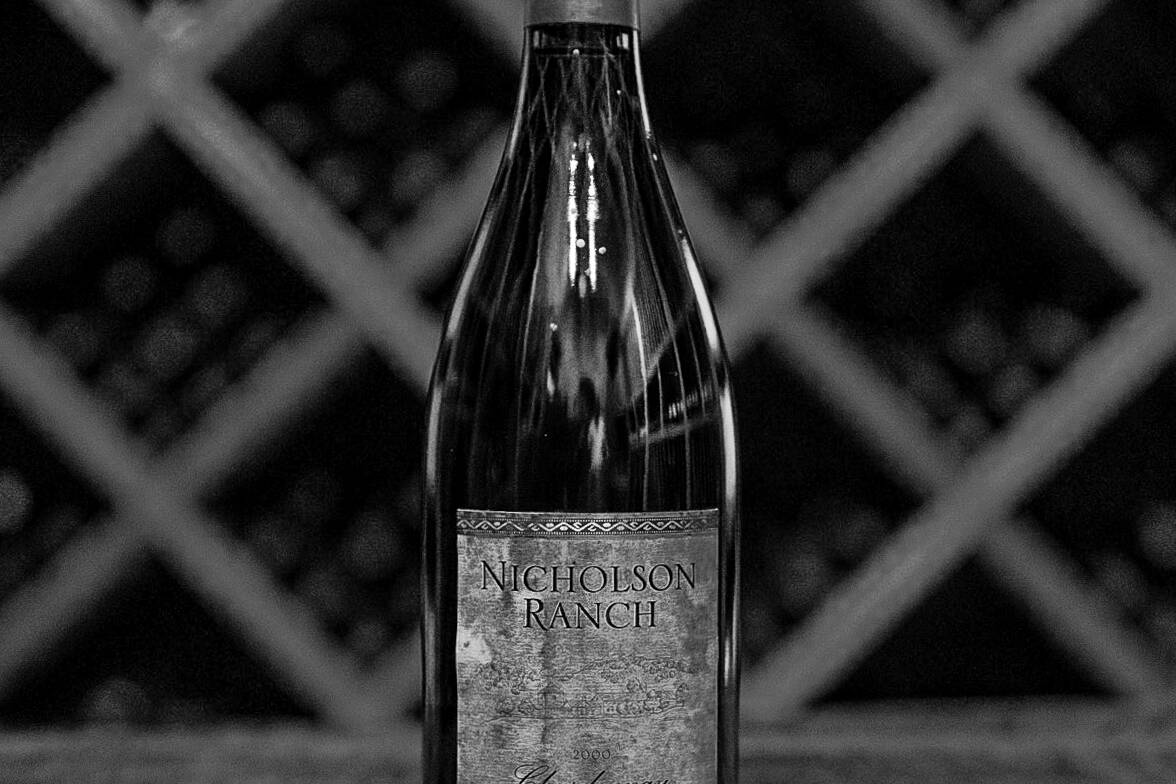
Nicholson Ranch: A Sonoma Estate with Soul
Tucked along Highway 121 between Sonoma and Napa Valleys, Nicholson Ranch…

May 13, 2026
The Power of LIVE Social Selling on TikTok: Why Wine Is the Next Big Thing (Stats, Stories & Strategies)
If you’ve ever dreamed of turning your love for wine into a vibrant online…
May 11, 2026
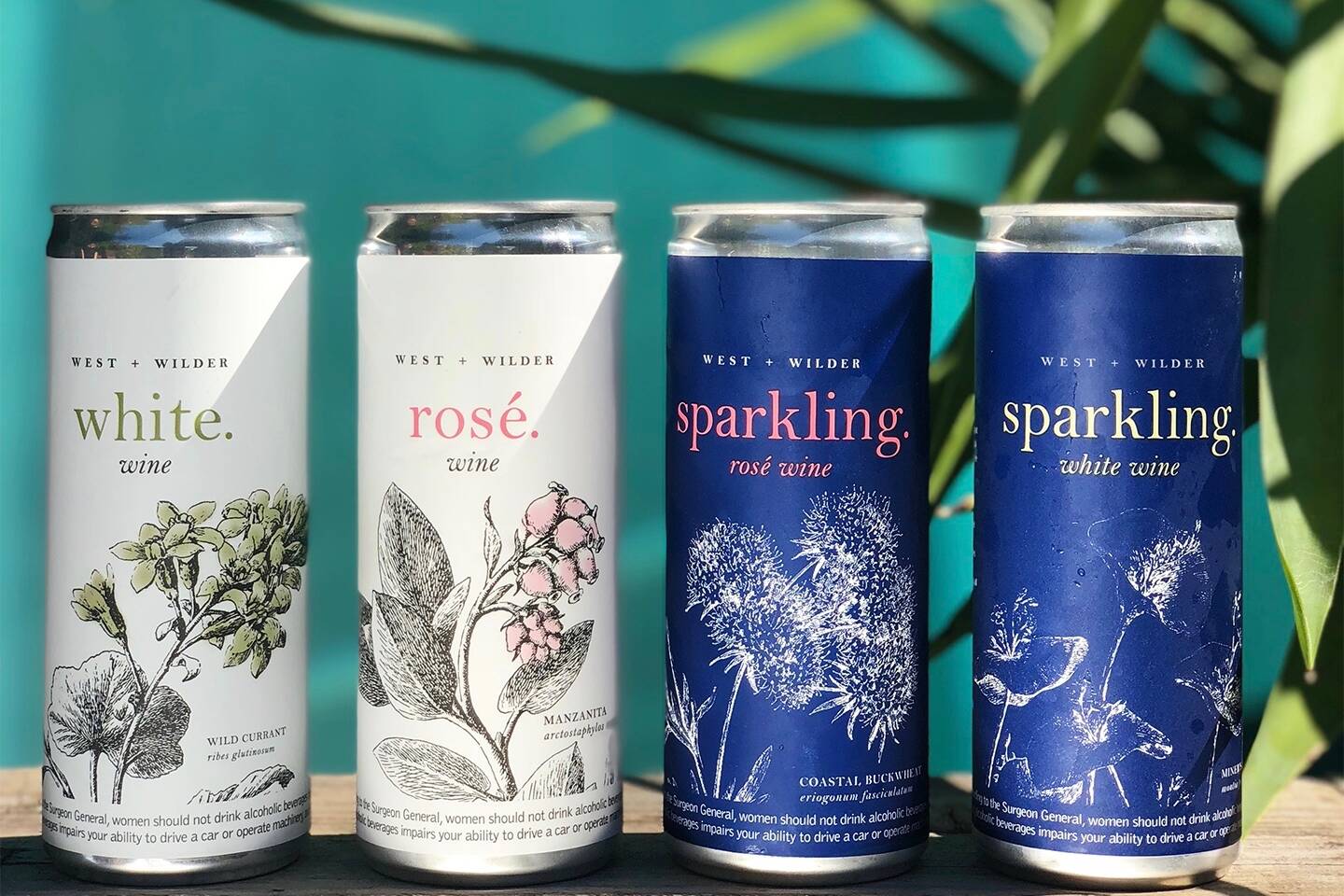
The Rise of ‘Tinnification’: Why Canned Wine Is Taking Over
In recent years, the wine industry has experienced a significant shift towards…


