


Climate-Responsive Winemaking and the New Vintage Reality of 2026
By 2026, climate variability is no longer a future concern for the wine industry—it is a defining force shaping every vintage. Unpredictable weather patterns, shifting growing seasons, and extreme climate events are transforming how wines are produced and evaluated. Rather than reacting year to year, wineries are adopting climate-responsive winemaking strategies designed to adapt continuously to environmental change.
This new reality is altering grape selection, vineyard management, and even how consumers perceive quality and consistency. Winemakers who adapt proactively are not only preserving their craft but redefining what a “great vintage” means in an era of climate uncertainty.
Wine Trends to Watch in 2026
1. Flexible Harvest Windows
Rigid harvest calendars are being replaced by dynamic timing models. Wineries now monitor microclimates closely, harvesting based on grape physiology rather than tradition.
2. Grape Variety Reassessment
Producers are experimenting with heat- and drought-resistant varietals better suited to changing conditions. This is expanding the diversity of wines while protecting long-term vineyard viability.
3. Micro-Terroir Management
Instead of managing vineyards uniformly, winemakers are treating small vineyard blocks as independent ecosystems, tailoring irrigation, canopy management, and pruning to localized conditions.
4. Alcohol Balance Adjustments
Warmer climates can push sugar levels higher, increasing alcohol content. Winemakers are refining fermentation techniques to preserve balance, freshness, and drinkability.
5. Vintage Transparency
Consumers are being educated to understand vintage variation as a feature, not a flaw. Transparency around climate impact is becoming part of wine storytelling.
How to Apply These Trends Strategically
Adopt Real-Time Vineyard Monitoring
Use environmental data to guide harvest timing and vineyard interventions. Precision decisions protect grape quality.
Expand Varietal Portfolios
Test alternative grape varieties in pilot plots. Diversification reduces long-term risk.
Segment Vineyards Intentionally
Manage vineyard blocks independently to optimize micro-terroir expression and resilience.
Refine Winemaking Techniques
Adjust fermentation, blending, and aging practices to maintain balance under changing conditions.
Educate Consumers Proactively
Incorporate climate narratives into branding to build trust and appreciation for evolving wine profiles.
Conclusion
Climate-responsive winemaking is redefining the wine industry in 2026. Rather than striving for sameness, wineries are embracing adaptability, transparency, and innovation.
Those who respond strategically will not only survive climate disruption—they will shape the next era of wine, where authenticity, resilience, and environmental awareness define excellence.
Related Posts
May 16, 2026
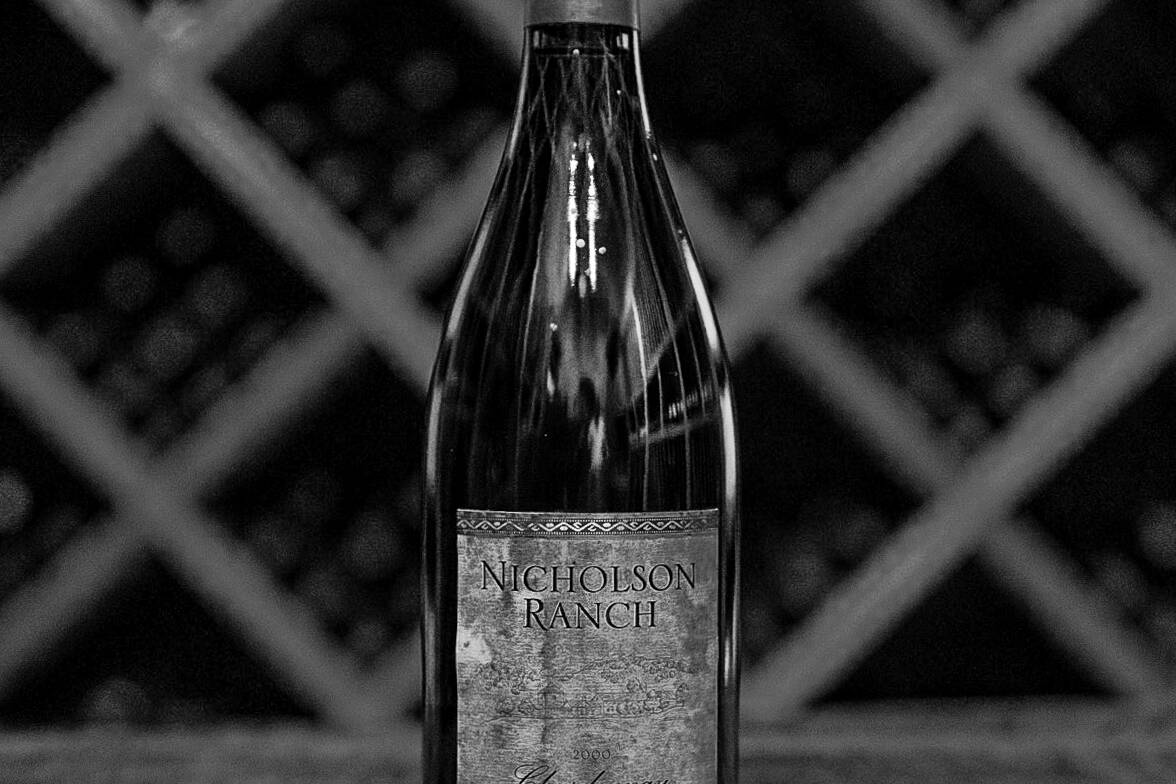
Nicholson Ranch: A Sonoma Estate with Soul
Tucked along Highway 121 between Sonoma and Napa Valleys, Nicholson Ranch…

May 13, 2026
The Power of LIVE Social Selling on TikTok: Why Wine Is the Next Big Thing (Stats, Stories & Strategies)
If you’ve ever dreamed of turning your love for wine into a vibrant online…
May 11, 2026
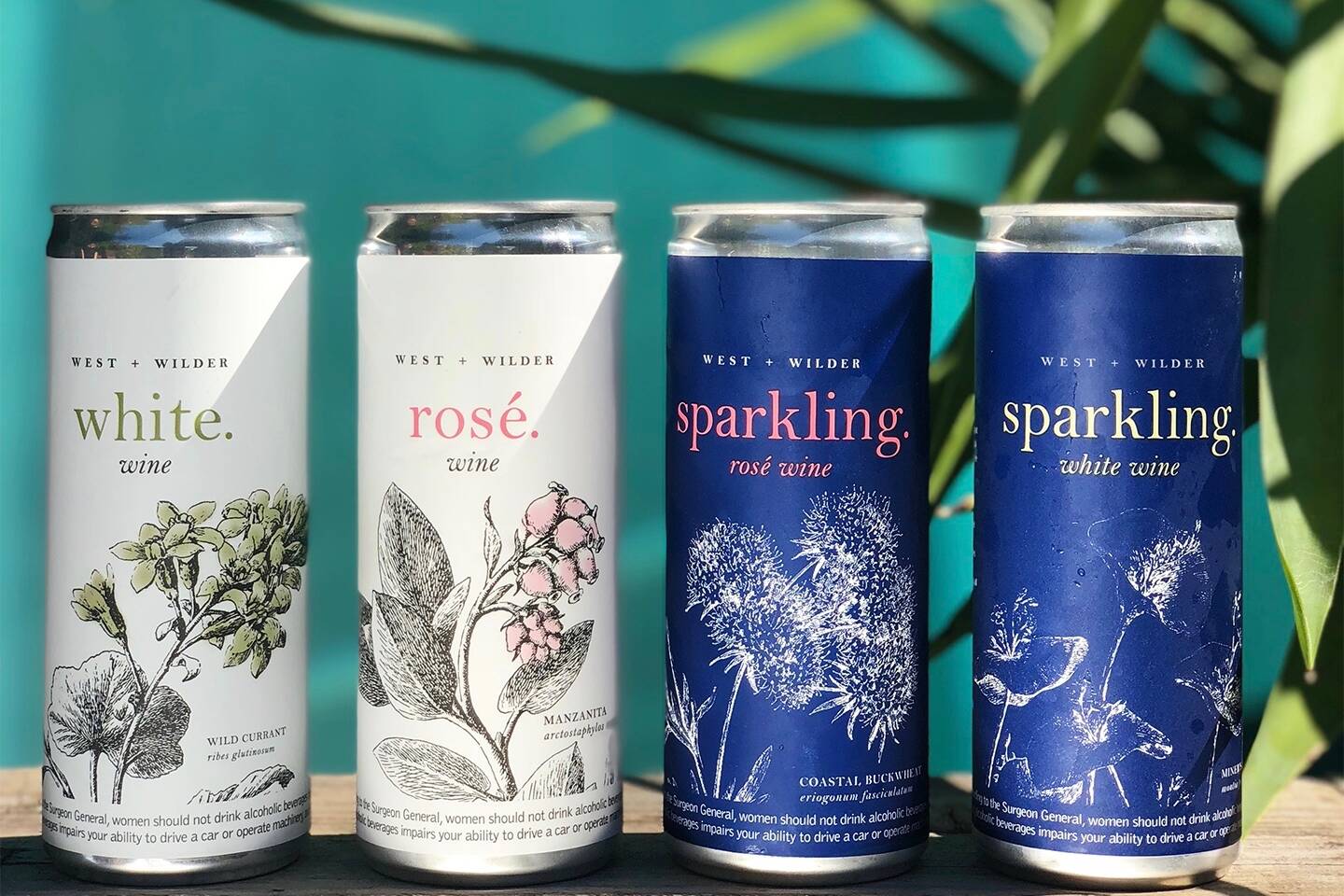
The Rise of ‘Tinnification’: Why Canned Wine Is Taking Over
In recent years, the wine industry has experienced a significant shift towards…


