

At 11:47 p.m., Daniel was still answering emails.
Again.
Laptop balanced on his knees.
Cold coffee on the table.
His wife asleep on the couch beside him with the TV still playing.
And 38 unread messages in his inbox.
All from customers.
All marked urgent.
“Can you fix this tonight?”
“Need changes ASAP.”
“Following up again…”
“Hello???”
Three years ago, he would’ve celebrated this.
This many customers meant the business was working.
Right?
More customers = more success.
That’s what every blog said.
That’s what every podcast repeated.
That’s what every founder on Twitter bragged about.
“100 new users this week.”
“Fastest growth ever.”
“Scaling like crazy.”
So when Daniel’s freelance marketing business started getting traction, he chased the same thing.
More.
Always more.
In the beginning, it was just him and two clients.
Local businesses.
Normal expectations.
Reasonable timelines.
He’d finish work by 5 p.m., cook dinner, go to the gym.
Life felt balanced.
Then referrals came.
Then more.
Then Upwork leads.
Then inbound emails.
Then “Hey, can you also help with this?”
He said yes to everything.
Because that’s what you do when you’re building something.
You don’t say no.
You hustle.
You grind.
You capitalize on momentum.
Right?
Within a year, he had 27 clients.
On paper, it looked impressive.
Revenue tripled.
Friends started asking for advice.
Family called him “the entrepreneur.”
He even updated his LinkedIn headline:
Founder | Growth Consultant
It sounded important.
Legit.
Like he’d finally made it.
But his days felt nothing like success.
His calendar looked like a losing game of Tetris.
Calls stacked back-to-back.
Slack pings nonstop.
Every client thinking they were the only client.
Every request “quick.”
Nothing quick.
Everything urgent.
He stopped going to the gym.
Started ordering takeout.
Started sleeping with his phone next to his pillow.
He couldn’t remember the last day he didn’t check email.
Even vacations weren’t vacations.
Just working in different locations.
But he told himself:
“This is the price of growth.”
Everyone says the early years are hard.
This must be normal.
The breaking point wasn’t dramatic.
No meltdown.
No shouting.
Just a Tuesday afternoon.
He missed his daughter’s school performance.
He had promised her he’d be there.
Front row.
She even saved him a seat.
But a client “needed” campaign edits before launch.
“Just 30 minutes,” they said.
Thirty turned into three hours.
By the time he arrived, the auditorium was empty.
Chairs stacked.
Lights off.
His daughter sitting on the steps with his wife.
Still in costume.
Mascara smudged.
“You missed my part,” she said quietly.
Not angry.
Just matter-of-fact.
Somehow that hurt more.
On the drive home, the revenue number in his head didn’t feel impressive anymore.
It felt expensive.
That night, he opened his spreadsheet.
But not the revenue tab.
The client list.
27 names.
He stared at it like it was a puzzle.
Or a mistake.
Because here’s what nobody tells you about “more customers”:
More customers doesn’t always mean more freedom.
Sometimes it means more chaos.
More context switching.
More emotional labor.
More people pulling you in different directions.
More tiny fires.
He realized something uncomfortable:
He didn’t have a business.
He had 27 bosses.
The next morning, he did something that felt reckless.
Almost stupid.
He ranked every client.
Not by revenue.
But by:
Energy.
Stress.
Respect.
Ease.
Who paid on time.
Who drained him.
Who he actually liked working with.
The results were obvious.
Painfully obvious.
Five clients made up 60% of revenue.
And almost none of the stress.
Ten were fine.
Neutral.
Twelve were nightmares.
Constant revisions.
Late payments.
Scope creep.
“Quick calls” at 9 p.m.
The math hit him:
Most of his exhaustion came from the smallest, cheapest clients.
The ones he thought he needed most.
So he tried something radical.
He fired them.
Not rudely.
Not dramatically.
Just honest emails.
“Hey — we’re narrowing our focus and won’t be able to continue next quarter.”
His finger hovered over send for ten minutes.
His brain screamed:
“What if no one replaces them?”
“What if revenue tanks?”
“What if you’re making a huge mistake?”
But he sent them anyway.
One by one.
Twelve emails.
Heart pounding.
Then silence.
For a week, he panicked.
Inbox quieter than usual.
Calendar lighter.
Too light.
It felt like standing on a cliff edge.
But then something strange happened.
Nothing broke.
Revenue dipped a little.
But not catastrophically.
And suddenly he had time.
Time to think.
Time to improve work.
Time to actually serve the good clients better.
He stopped rushing.
Started caring again.
Projects got sharper.
Results improved.
Those five best clients referred bigger ones.
Higher quality ones.
People who respected boundaries.
Within three months, he had fewer clients than ever.
But made the same money.
Sometimes more.
Working half the hours.
He picked his daughter up from school one afternoon.
Middle of the day.
No laptop.
No Slack.
She looked confused.
“You’re not working?”
“I am,” he said.
“Just… differently.”
They got ice cream.
On a Wednesday.
For no reason.
And sitting there, watching her talk about her day, he realized:
This was the whole point.
Not dashboards.
Not client counts.
Not “scaling.”
Freedom.
Presence.
Control.
Today, Daniel only works with eight clients.
That’s it.
Eight.
People are shocked when they hear that.
“That’s all?”
He smiles.
“Yeah. That’s all I need.”
Because he learned something most entrepreneurs learn too late:
Growth isn’t always adding more.
Sometimes it’s subtracting what shouldn’t be there.
More customers doesn’t automatically build a better business.
Better customers do.
And sometimes the fastest way forward…
Is fewer.

Related Posts
May 30, 2026
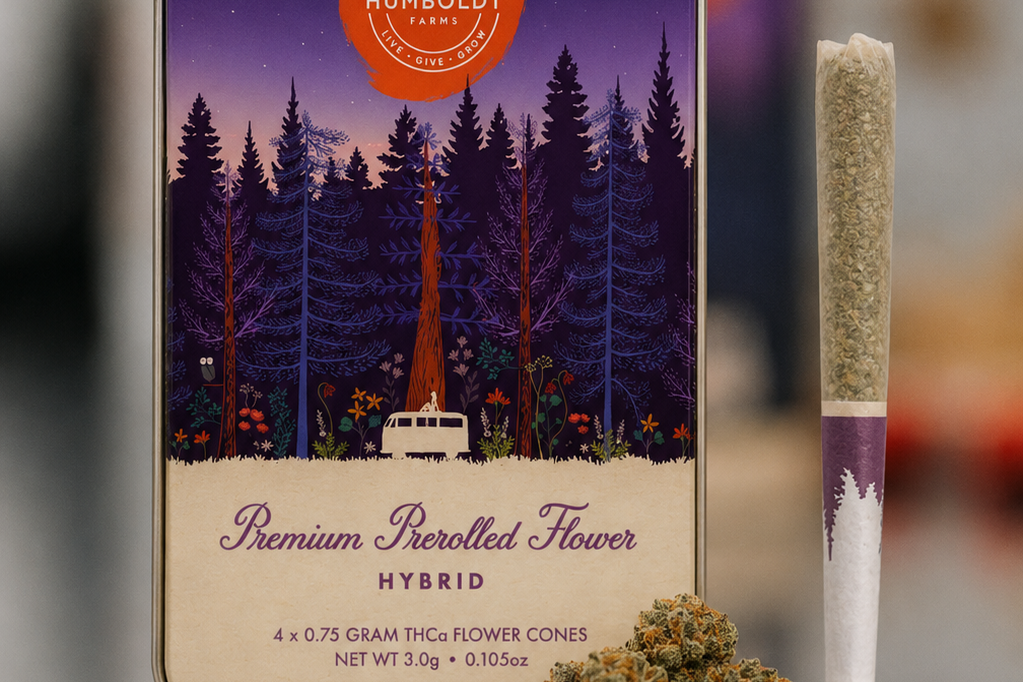
Why Premium Pre-Rolls Are Becoming the Preferred Choice for Modern Consumers
Not everyone wants to grind flower, pack cones, or spend time preparing for…

May 26, 2026
Dr. Chris Croley: Elevating Aesthetics with Authority, Heart, and Innovation
Introduction: A New Chapter Begins In June 2025, aesthetic medicine gained a…

May 20, 2026
Why More Adults Are Choosing Mango Guava Gummies Instead of Alcohol to Unwind
For decades, unwinding after a long day usually meant pouring a glass of wine,…