


How Climate Adaptation Is Reshaping Vineyards, Regions, and Wine Styles
Climate change is no longer a distant concern for the wine industry—it is a defining force shaping decisions in vineyards across the world. In 2026, the conversation has moved beyond sustainability pledges to active climate adaptation.
From changing grape varieties to redefining regional identities, wineries are responding to shifting temperatures, water availability, and weather patterns. These changes are not only influencing how wine is grown, but also how it tastes, how it is marketed, and how regions compete globally.
Wine Industry Trends to Watch in 2026
1. Expansion of Non-Traditional Grape Varieties
Producers are experimenting with heat-tolerant and drought-resistant varietals to maintain balance and quality.
2. Redefined Regional Profiles
As climates shift, classic flavor profiles are evolving, challenging long-held expectations of regional identity.
3. Precision Viticulture Technologies
Data-driven vineyard management tools are helping growers respond in real time to environmental changes.
4. Water Management as a Strategic Asset
Efficient irrigation and soil health practices are becoming competitive differentiators.
5. Climate Transparency in Marketing
Wineries are increasingly communicating how climate adaptation influences their wines, adding context and authenticity.
How to Apply These Trends Strategically
Diversify Vineyard Assets
Plant a mix of traditional and resilient varieties to hedge against climate volatility.
Invest in Data and Monitoring
Use sensors, forecasting tools, and analytics to make proactive vineyard decisions.
Educate Consumers
Explain how climate adaptation enhances quality rather than compromises tradition.
Rethink Regional Positioning
Embrace evolving styles as an opportunity to differentiate, not a loss of identity.
Plan for Long-Term Resilience
Align vineyard investment with multi-decade climate projections, not short-term trends.
Conclusion
In 2026, climate adaptation is redefining the wine industry from the ground up. Producers who respond thoughtfully are not only preserving quality—they are shaping the future of wine itself.
The wineries that thrive will be those that view environmental change not as a threat, but as a catalyst for innovation and reinvention.
Related Posts
May 16, 2026
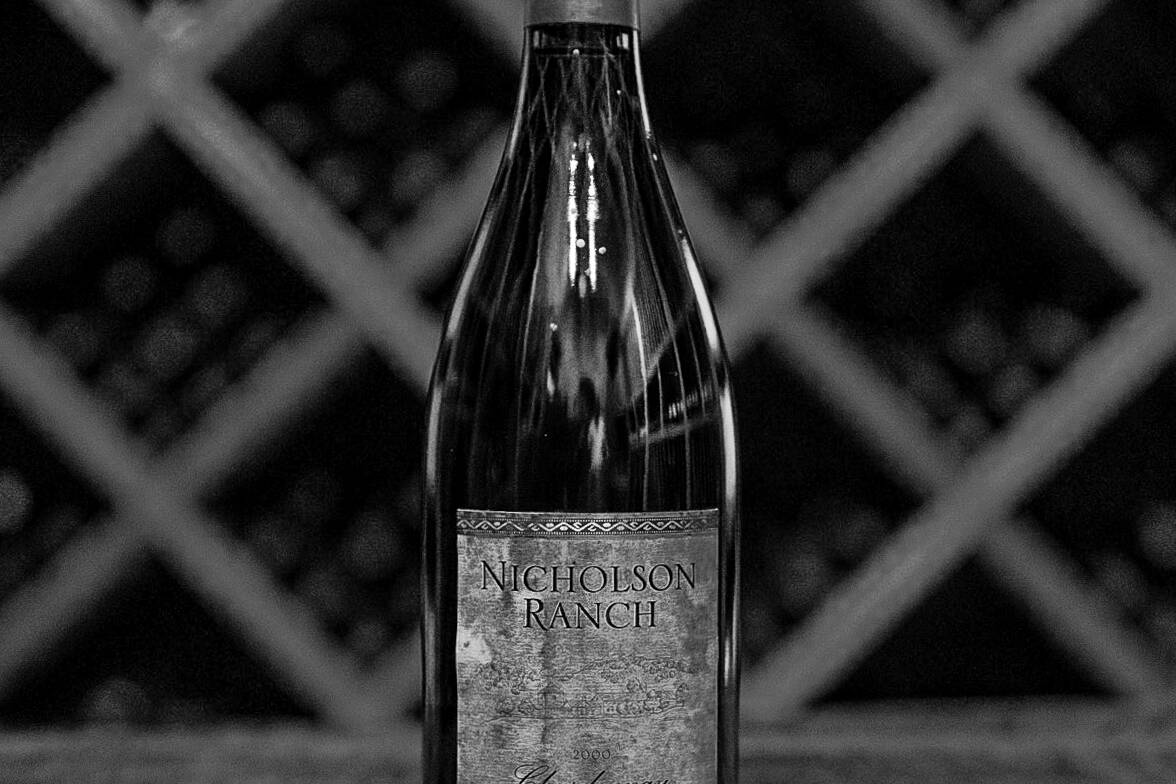
Nicholson Ranch: A Sonoma Estate with Soul
Tucked along Highway 121 between Sonoma and Napa Valleys, Nicholson Ranch…

May 13, 2026
The Power of LIVE Social Selling on TikTok: Why Wine Is the Next Big Thing (Stats, Stories & Strategies)
If you’ve ever dreamed of turning your love for wine into a vibrant online…
May 11, 2026
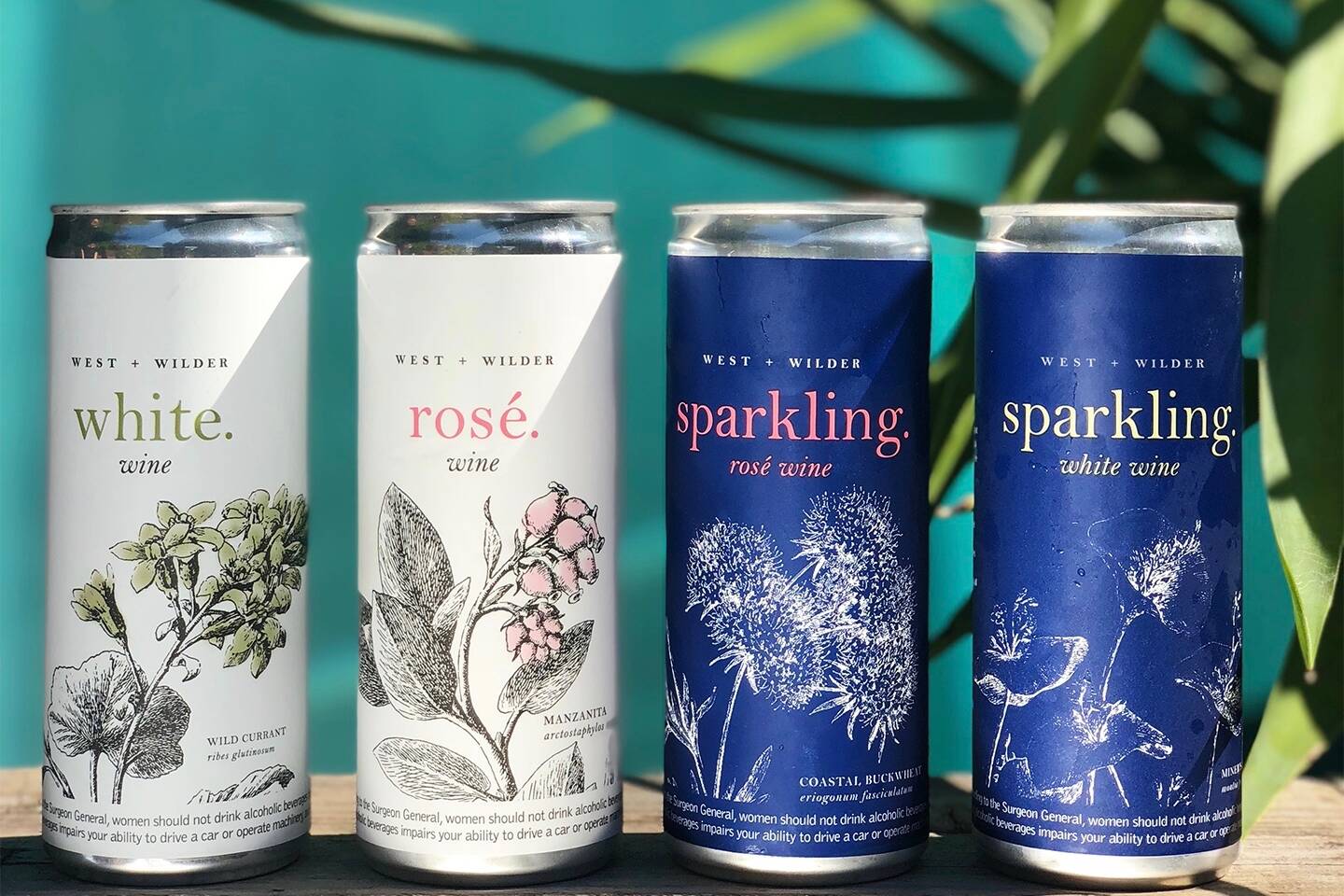
The Rise of ‘Tinnification’: Why Canned Wine Is Taking Over
In recent years, the wine industry has experienced a significant shift towards…


