

How Private Labels Are Reshaping the Wine Business in 2026
For decades, private-label wine carried a stigma—associated with low prices, limited quality, and little brand identity. In 2026, that perception is changing rapidly. Private labels are emerging as a powerful force reshaping how wine is produced, marketed, and consumed.
Retailers, hospitality groups, and even digital platforms are launching sophisticated private-label wines that compete directly with established brands. These offerings leverage data, direct customer access, and streamlined operations to deliver strong margins and consistent quality—without the overhead of traditional branding models.
Wine Industry Trends to Watch in 2026
1. Data-Driven Wine Development
Private-label wines are designed using consumer purchase data, taste preferences, and price sensitivity rather than tradition alone. This allows for precise product-market fit.
2. Retailer-Controlled Distribution
By owning shelf space and customer relationships, retailers reduce reliance on distributors and capture more value across the supply chain.
3. Quality Normalization
Advances in winemaking technology and sourcing are narrowing the quality gap between private labels and legacy brands.
4. Agile Brand Experimentation
Private labels can test varietals, regions, and styles quickly without risking a flagship brand reputation.
5. Margin Optimization
Reduced marketing and distribution costs allow private labels to deliver competitive pricing while maintaining profitability.
How to Apply These Trends Strategically
Leverage Customer Insights
Use sales data to inform wine style, pricing, and packaging decisions.
Build Supplier Partnerships
Develop long-term relationships with producers to ensure consistency and quality.
Position for Trust, Not Prestige
Focus messaging on value, reliability, and taste rather than heritage narratives.
Test Before Scaling
Launch limited runs to validate demand before expanding production.
Protect Brand Clarity
Ensure private labels complement rather than cannibalize existing brand portfolios.
Conclusion
In 2026, private-label wines are no longer shortcuts—they are strategic assets. By combining data, distribution control, and operational efficiency, private labels are rewriting the economics of the wine business.
As consumer loyalty shifts from brands to experiences and value, private labels are positioned to capture a growing share of the market. The winners will be those who treat private labels not as secondary offerings, but as core growth engines.
Related Posts
May 16, 2026
Nicholson Ranch: A Sonoma Estate with Soul
Tucked along Highway 121 between Sonoma and Napa Valleys, Nicholson Ranch…

May 13, 2026
The Power of LIVE Social Selling on TikTok: Why Wine Is the Next Big Thing (Stats, Stories & Strategies)
If you’ve ever dreamed of turning your love for wine into a vibrant online…
May 11, 2026
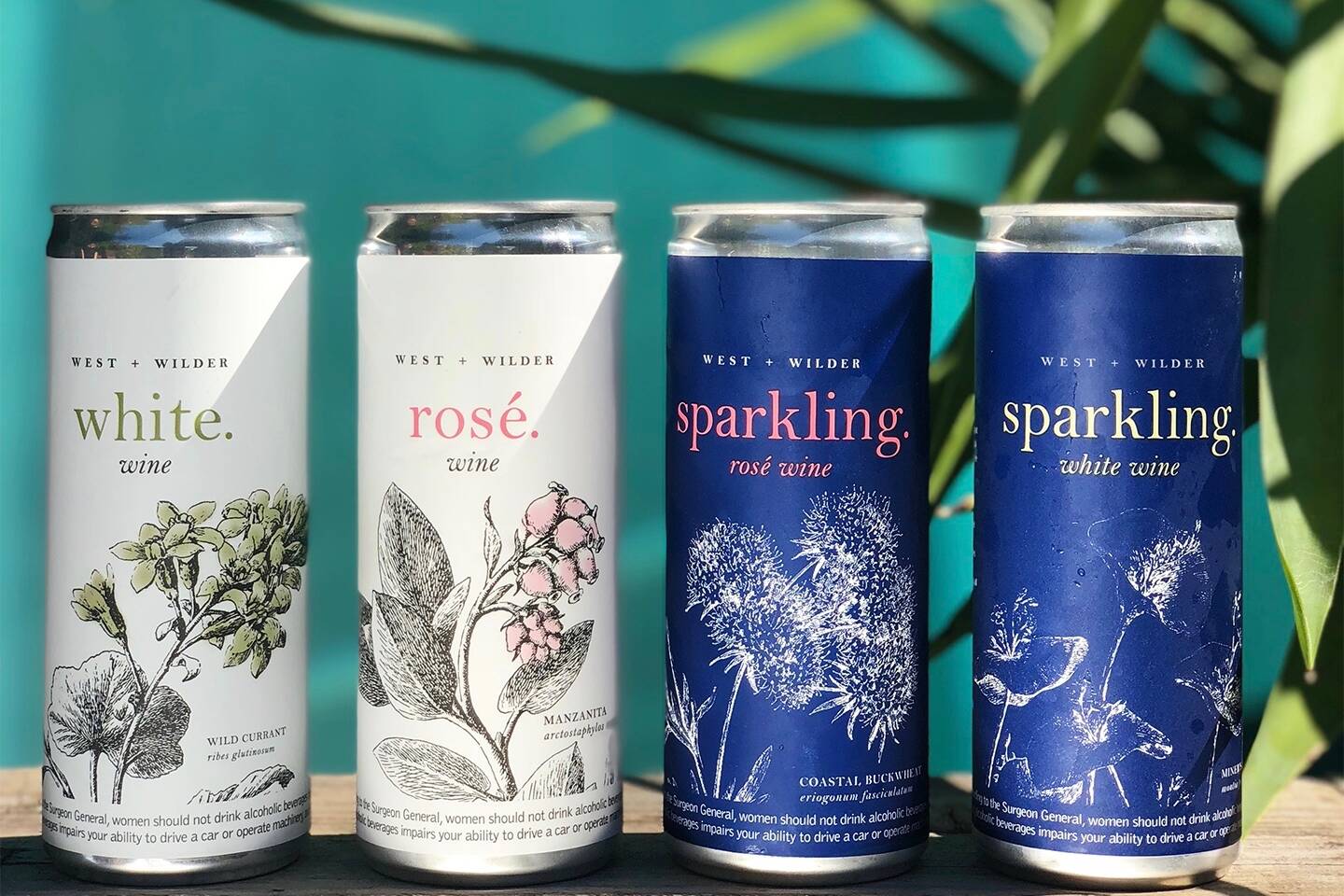
The Rise of ‘Tinnification’: Why Canned Wine Is Taking Over
In recent years, the wine industry has experienced a significant shift towards…


