
The Business of Taste — How Consumer Psychology Is Reshaping Wine in 2026
Wine has always been about flavor, terroir, and tradition. But in 2026, another force is quietly reshaping the industry: consumer psychology. Today’s wine buyers are not just choosing bottles based on grape or region — they are making decisions driven by emotion, identity, experience, and perception.
As competition increases and shelves grow more crowded, understanding why consumers choose certain wines is becoming just as important as how those wines are made. Wineries that master the psychology of taste and decision-making are gaining a powerful edge.
This article explores the key psychological trends influencing the wine industry in 2026 — and how businesses can apply them strategically.
Wine Industry Trends to Watch in 2026
1. Identity-Driven Wine Purchasing
Wine consumption has become a form of self-expression.
In 2026, consumers increasingly choose wines that align with:
-
lifestyle values
-
social identity
-
personal narratives
-
cultural belonging
-
ethical beliefs
Buyers don’t just ask, “Is this wine good?”
They ask, “Does this wine represent me?”
Brands that clearly communicate who they are — and who their wine is for — build stronger emotional connections and repeat customers.
2. Simplicity Wins Over Expertise
While wine expertise still matters, many modern consumers feel overwhelmed by complex terminology.
Trends show growing preference for:
-
clear flavor descriptors
-
simple language
-
visual tasting guides
-
easy food-pairing cues
-
confidence without pretension
Wineries that remove intimidation from the buying process convert more first-time buyers and younger drinkers.
3. Sensory Storytelling Influences Perceived Quality
Research consistently shows that perception shapes taste.
In 2026, factors that influence how wine tastes include:
-
label design
-
bottle weight
-
color palette
-
name choice
-
storytelling language
-
tasting room atmosphere
A compelling story can elevate perceived quality before the bottle is even opened. This doesn’t replace craftsmanship — it amplifies it.
4. Occasion-Based Consumption Expands
Wine buying is shifting from “what do I like?” to “what do I need right now?”
Consumers increasingly shop based on:
-
moods
-
moments
-
social settings
-
experiences
-
personal rituals
Examples:
-
wine for winding down
-
wine for celebrations
-
wine for gifting
-
wine for health-conscious occasions
-
wine for casual weekday dinners
Occasion-based positioning increases relevance and frequency of purchase.
5. Trust Signals Drive Purchase Decisions
With so many choices available, buyers rely on trust cues.
In 2026, the strongest trust signals include:
-
transparent sourcing
-
consistent brand voice
-
social proof and reviews
-
peer recommendations
-
visible craftsmanship
-
behind-the-scenes access
Consumers reward brands that feel honest, human, and dependable.
How Wine Businesses Can Apply These Trends Strategically
1. Define Your Wine’s Identity Clearly
Wineries should ask:
-
Who is this wine for?
-
What lifestyle does it fit into?
-
What emotions should it evoke?
-
What values does it represent?
Clear positioning helps customers self-select — reducing friction and increasing loyalty.
2. Simplify Without Dumbing Down
Education should feel welcoming, not overwhelming.
Effective strategies include:
-
visual tasting scales
-
plain-language descriptors
-
simple pairing suggestions
-
short educational videos
-
guided tasting experiences
The goal is confidence, not confusion.
3. Invest in Sensory Brand Design
Every touchpoint shapes perception.
Wineries should align:
-
label design
-
packaging materials
-
tasting room ambiance
-
digital presence
-
storytelling tone
Consistency across senses builds trust and enhances perceived quality.
4. Market by Moment, Not Just Variety
Instead of promoting only varietals or regions, promote use cases:
-
“Perfect for a quiet evening”
-
“Designed for dinner parties”
-
“A thoughtful gift”
-
“A summer afternoon wine”
This approach increases emotional relevance and expands buying occasions.
5. Strengthen Trust Through Transparency
Trust grows when wineries:
-
share real stories
-
show the people behind the wine
-
explain decisions honestly
-
acknowledge challenges
-
invite customers into the process
Transparency humanizes brands and deepens loyalty.
Conclusion
The wine industry of 2026 is shaped as much by psychology as by production. Consumers are driven by identity, emotion, simplicity, trust, and experience. Wineries that understand these forces can position their wines more effectively, connect more deeply with customers, and stand out in an increasingly competitive market.
Great wine will always matter — but in the modern landscape, how people feel about a wine is just as important as how it tastes.

Related Posts
May 16, 2026
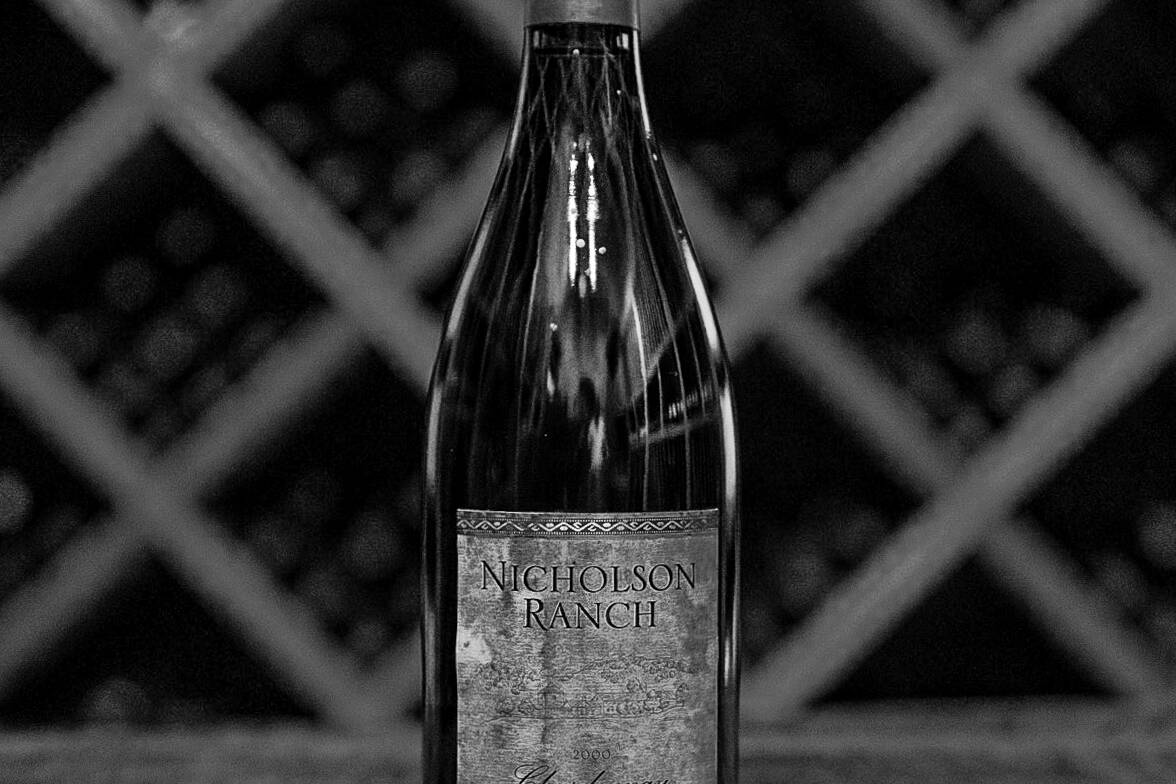
Nicholson Ranch: A Sonoma Estate with Soul
Tucked along Highway 121 between Sonoma and Napa Valleys, Nicholson Ranch…

May 13, 2026
The Power of LIVE Social Selling on TikTok: Why Wine Is the Next Big Thing (Stats, Stories & Strategies)
If you’ve ever dreamed of turning your love for wine into a vibrant online…
May 11, 2026
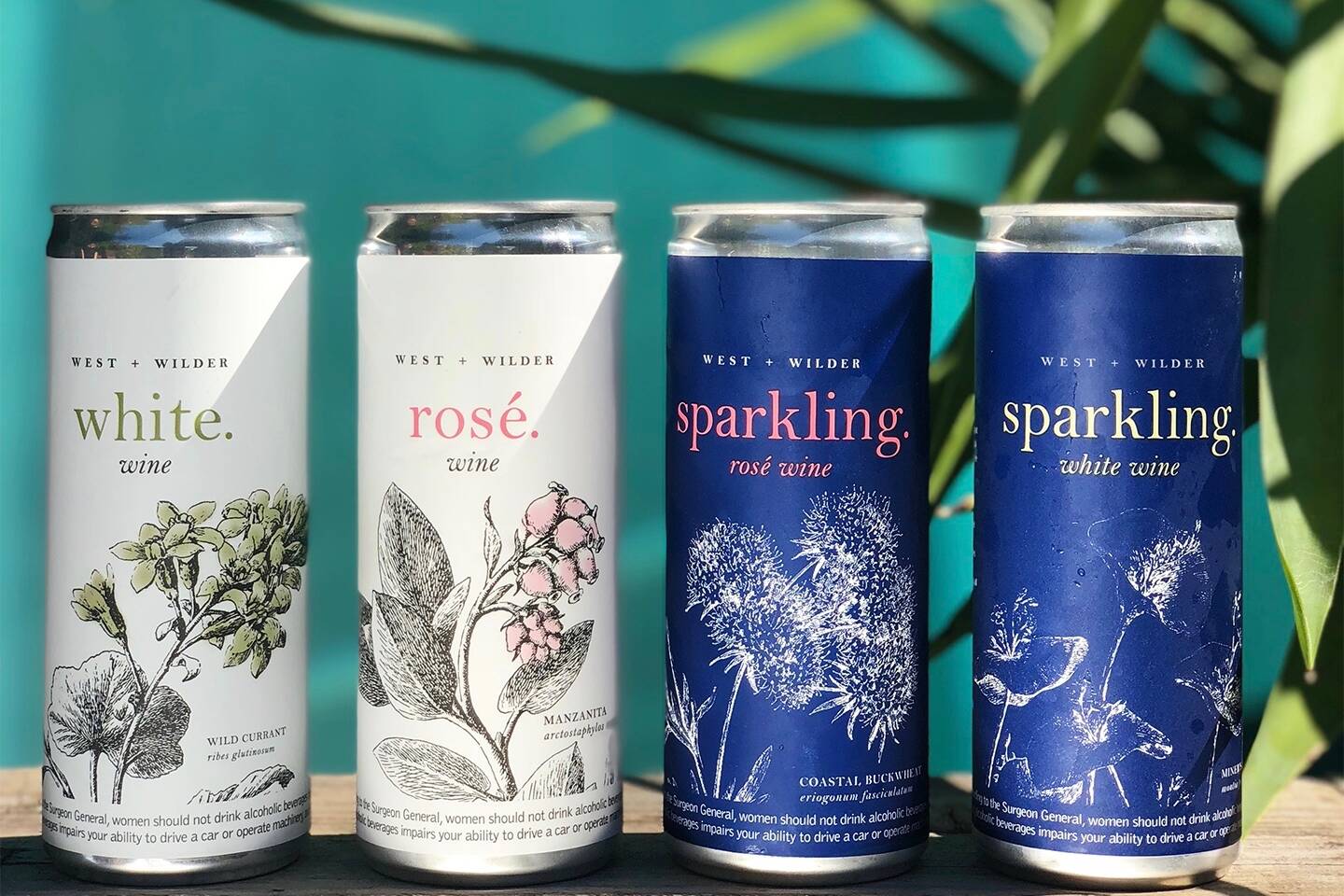
The Rise of ‘Tinnification’: Why Canned Wine Is Taking Over
In recent years, the wine industry has experienced a significant shift towards…