

The Digital Sommelier: How AI Is Transforming the Wine Experience
From the vineyards of Bordeaux to the tasting rooms of Napa Valley, the world of wine has always balanced tradition and craftsmanship. But in 2026, that balance is evolving—thanks to artificial intelligence.
AI is reshaping how wine is made, sold, and even enjoyed. From precision viticulture to personalized wine recommendations, technology is redefining the art of winemaking and elevating the consumer experience. The result? A smarter, more sustainable, and deeply personalized wine industry.
1. Smarter Vineyards Through Data
In today’s vineyards, AI isn’t replacing winemakers—it’s empowering them. Advanced data analytics and machine learning models are helping growers make more precise decisions about when to irrigate, harvest, or even prune.
How AI is optimizing viticulture:
-
Satellite imagery and drones monitor soil health and vine growth.
-
Predictive models anticipate weather shifts and pest risks.
-
Smart sensors track water usage, temperature, and humidity in real time.
Impact:
AI-driven agriculture reduces waste, increases yield, and enhances grape quality. For winemakers, it’s like having a virtual vineyard manager that never sleeps.
2. The Rise of the AI Sommelier
Choosing the right bottle can be overwhelming—even for seasoned wine lovers. AI-driven platforms like Vivino, Wine Ring, and ChatGPT-powered recommendation engines are stepping in as personal sommeliers.
What they do:
-
Analyze user preferences, tasting history, and flavor profiles.
-
Recommend wines based on mood, cuisine, and budget.
-
Learn continuously from feedback to refine suggestions.
Result:
The wine experience becomes deeply personal—whether you’re a casual drinker exploring new varietals or a connoisseur curating your next cellar addition.
3. AI in Winemaking: Precision Meets Passion
Behind every great bottle lies a thousand tiny decisions—from fermentation temperature to barrel aging. AI is helping winemakers optimize these choices without compromising artistry.
Applications include:
-
Fermentation control: AI adjusts temperature and sugar levels for consistency.
-
Flavor prediction: Algorithms forecast how blends will taste before production.
-
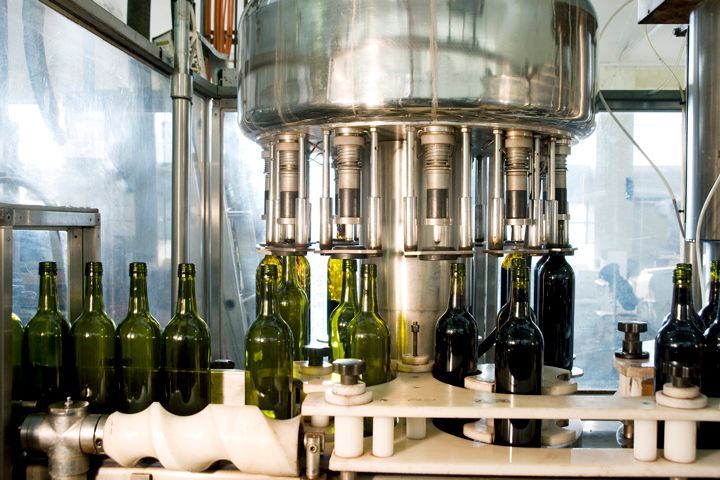
Quality assurance: Machine vision detects imperfections in bottling and labeling.
Insight:
Technology enhances the precision of winemaking, while human expertise preserves its soul. It’s not about replacing tradition—it’s about refining it.
4. Sustainability Through Smart Systems
Sustainability has become a defining factor in modern wine production. AI plays a key role in helping vineyards reduce their environmental footprint.
Green innovations include:
-
Optimizing energy use during fermentation and storage.
-
Reducing water waste through sensor-guided irrigation.
-
Predicting disease outbreaks to minimize pesticide use.
Takeaway:
AI is helping vineyards adapt to climate change—protecting both their land and legacy. Sustainable winemaking isn’t just good for the planet; it’s becoming essential for profitability.
5. The Future of Wine Retail and Experience
AI is transforming not just production, but also how consumers discover and buy wine.
Emerging trends:
-
Virtual tastings: AI hosts interactive, personalized sessions online.
-
Smart labels: Scannable QR codes reveal origin, tasting notes, and pairing ideas.
-
Predictive retail: Algorithms forecast buying patterns to optimize inventory and pricing.
The experience:
Imagine walking into a wine bar where your preferences are known instantly—and your next favorite bottle is already chilling. That’s the future AI is pouring today.
Conclusion
The wine industry is proving that technology and tradition can coexist beautifully. As AI becomes a trusted partner in the vineyard, cellar, and tasting room, it’s creating a new era of accessibility, sustainability, and discovery.
In this digital vintage, every pour tells a smarter story—and every glass reflects the perfect blend of innovation and indulgence.
Related Posts
January 16, 2026
The Wine Industry in 2026: Why Supply Chain Control Is Becoming a Competitive Advantage
For much of modern wine history, supply chains were treated as background…
January 15, 2026
The Wine Industry in 2026: Why Pricing Transparency Is Reshaping Consumer Trust
For much of its history, the wine industry relied on mystique. Pricing was…
January 14, 2026
The Wine Industry in 2026: How Functional Wine Is Changing Consumer Expectations
For centuries, wine has been associated with tradition, celebration, and…