

The Evolution of Luxury Wine Consumption in 2026
Luxury wine in 2026 is no longer defined solely by price, age, or rarity. Today’s high-end wine consumer values experience, provenance, exclusivity, and storytelling as much as what’s inside the bottle. Wealthier and younger buyers are reshaping the premium wine market, prioritizing curated access, cultural relevance, and emotional connection.
This evolution is transforming how luxury wines are produced, marketed, sold, and consumed. Wineries that understand this shift are repositioning themselves not just as producers, but as creators of lifestyle experiences.
Wine Trends to Watch in 2026
1. Experience-First Luxury
Luxury consumers are seeking immersive experiences rather than mass availability. Private vineyard stays, invitation-only tastings, winemaker-led dinners, and harvest participation programs are redefining what premium wine means.
2. Limited-Release Micro Collections
Instead of large flagship vintages, wineries are releasing micro-collections—small batches crafted for specific audiences or moments. Scarcity drives demand, while storytelling elevates perceived value.
3. Cultural and Artistic Collaborations
Luxury wine brands are partnering with artists, architects, chefs, and fashion designers to create collectible bottles and cross-industry collaborations. Wine is increasingly positioned as a cultural artifact rather than a commodity.
4. Direct-to-Collector Relationships
High-net-worth collectors prefer direct relationships with wineries. Private allocations, concierge services, and personal cellar management are replacing traditional retail distribution for luxury labels.
5. Elevated Provenance Narratives
Beyond terroir, consumers want to understand the human story behind the wine—heritage, philosophy, craftsmanship, and decision-making processes that shape each vintage.
How to Apply These Trends Strategically
Curate Exclusive Experiences
Design private, invitation-only experiences that deepen emotional connections with collectors. Limit access to increase prestige and demand.
Create Purposeful Scarcity
Develop small, intentional releases with clear narratives. Avoid overproduction to preserve exclusivity and long-term brand equity.
Collaborate Beyond Wine
Partner with creatives and cultural institutions to expand brand relevance and reach new luxury audiences.
Build Direct Luxury Channels
Invest in private client teams, CRM systems, and personalized communication strategies to nurture long-term collector relationships.
Refine Your Brand Story
Craft authentic narratives that emphasize craftsmanship, philosophy, and values. Luxury buyers invest in stories as much as products.
Conclusion
Luxury wine consumption in 2026 is driven by meaning, exclusivity, and experience—not mass recognition. As consumers seek deeper connections with brands, wineries must evolve from producers to storytellers and experience curators.
Those who embrace this shift will secure loyalty, command premium pricing, and remain culturally relevant in a rapidly changing luxury landscape.
Related Posts
May 16, 2026
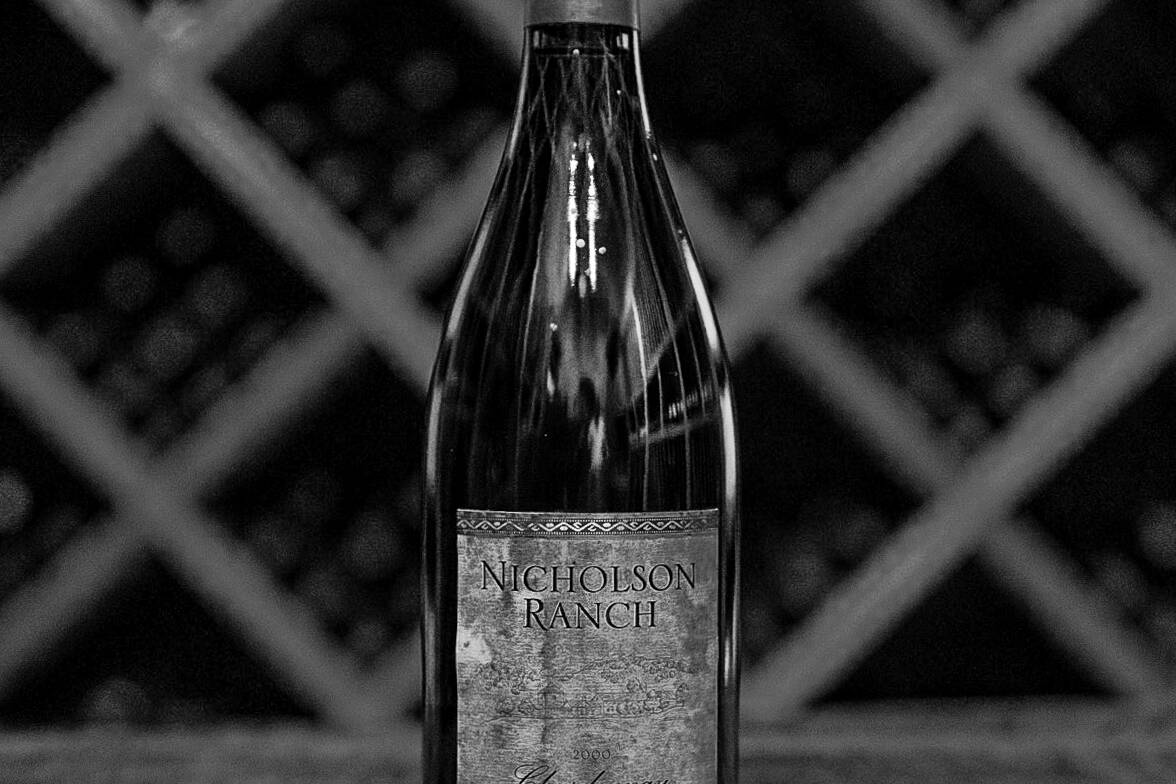
Nicholson Ranch: A Sonoma Estate with Soul
Tucked along Highway 121 between Sonoma and Napa Valleys, Nicholson Ranch…

May 13, 2026
The Power of LIVE Social Selling on TikTok: Why Wine Is the Next Big Thing (Stats, Stories & Strategies)
If you’ve ever dreamed of turning your love for wine into a vibrant online…
May 11, 2026
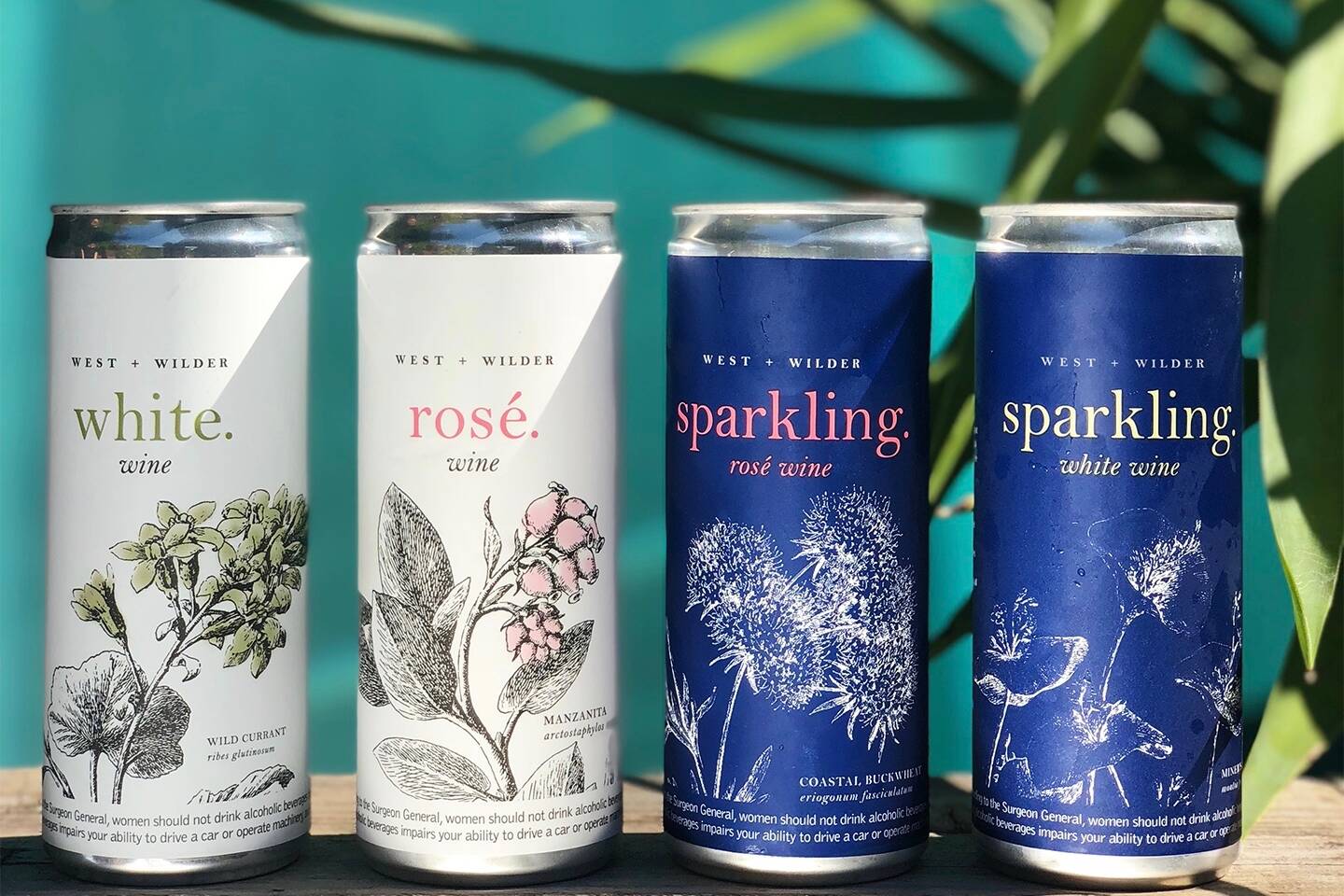
The Rise of ‘Tinnification’: Why Canned Wine Is Taking Over
In recent years, the wine industry has experienced a significant shift towards…


