

The Future of Business in 2026: 7 Trends Every Entrepreneur Must Prepare For
If the past decade has proven anything, it’s that business stability is an illusion.
Industries that once felt untouchable have been disrupted in months. Customer behavior evolves faster than corporate planning cycles. Technology that felt innovative two years ago is now standard.
As we approach 2026, entrepreneurs face a critical shift: competitive advantage no longer belongs to the largest organizations — it belongs to the most adaptable.
The future of business in 2026 will be shaped by intelligent automation, consumer trust, community-driven growth, and operational resilience. The entrepreneurs who win won’t chase trends impulsively. They’ll apply them strategically.
Here are seven business trends defining 2026 — and how to use them to build a durable, future-ready company.
Business Trends to Watch in 2026
1. AI-Augmented Operations (Beyond Basic Automation)
Artificial intelligence is no longer a novelty. In 2026, it becomes foundational infrastructure.
But the real shift isn’t simply “using AI tools.” It’s redesigning workflows around AI capabilities. From predictive inventory management and AI-powered customer service to marketing optimization and financial forecasting, smart businesses are restructuring operations to reduce manual friction.
The companies thriving in 2026 won’t be those experimenting casually with AI — they’ll be those embedding it into daily decision-making.
2. Hyper-Personalization as a Standard Expectation
Consumers now expect businesses to understand their preferences.
Generic email campaigns and broad messaging are losing effectiveness. Data-driven personalization — based on behavior, browsing patterns, and engagement — is becoming the baseline.
Customers reward brands that make them feel seen.
In 2026, personalization won’t be a marketing advantage. It will be a requirement.
3. Micro-Communities Over Mass Audiences
Large social media followings are becoming less valuable than highly engaged niche communities.
Entrepreneurs are shifting from chasing viral visibility to building targeted ecosystems — private groups, membership platforms, curated newsletters.
Trust compounds in smaller spaces.
And trust converts better than reach.
4. Sustainability as Operational Strategy
Sustainability is evolving beyond branding language.
Consumers and investors are scrutinizing supply chains, environmental impact, and ethical sourcing. Transparency is becoming expected.
Businesses that integrate sustainability into procurement, packaging, and logistics are building long-term brand equity.
In 2026, responsible business practices are directly tied to market credibility.
5. Decentralized and Global Talent Models
The workforce is no longer geographically confined.
Companies are building distributed teams across borders, accessing specialized talent without relocation costs.
This shift lowers overhead and increases flexibility. It also demands stronger digital collaboration systems and performance management structures.
The talent advantage now belongs to businesses that hire without borders.
6. Recurring Revenue Expansion
Predictability is powerful.
Across industries — from software to wellness to consulting — subscription and recurring revenue models are expanding.
Businesses are recognizing that lifetime customer value often matters more than single transactions.
Recurring revenue builds financial stability and investor confidence.
7. Founder-Led Brand Authority
Consumers increasingly trust people over corporations.
Founder visibility — through thought leadership, public insights, and transparent storytelling — strengthens brand authenticity.
In competitive markets, personality and credibility differentiate faster than product features alone.
Entrepreneurs who communicate consistently build influence that compounds over time.
How to Apply These Trends Strategically
Knowing trends is one thing. Leveraging them intelligently is another.
Here’s how forward-thinking entrepreneurs can apply these shifts without overwhelming their business.
Start With Operational Efficiency
Before expanding marketing, audit internal systems.
Where is time being wasted?
Which processes are repetitive?
Where can AI improve speed or reduce error?
Implement automation strategically to increase productivity — not just to follow hype.
Build Depth, Not Just Reach
Shift marketing efforts from mass acquisition to community cultivation.
Develop an email ecosystem. Launch niche communities. Host live sessions or curated content hubs.
Engagement builds resilience.
When algorithms change, communities remain.
Rethink Revenue Structure
Analyze your current offers.
Can a service become a subscription?
Can clients receive ongoing value instead of one-time delivery?
Recurring models increase predictability and long-term planning confidence.
Integrate Sustainability Gradually
You don’t need an immediate overhaul.
Begin with measurable steps:
-
Reduce packaging waste
-
Source more responsibly
-
Increase transparency in reporting
Small improvements build long-term brand trust.
Elevate Personal Authority
If you are the founder, become visible.
Share industry insights. Publish strategic reflections. Speak publicly about lessons learned.
Human leadership builds emotional connection — and emotional connection builds loyalty.
The Strategic Mindset for 2026
The mistake many entrepreneurs make is chasing every new development simultaneously.
The smarter approach is selective integration.
Ask:
Which of these trends strengthens my competitive advantage?
Which aligns with my customer expectations?
Which increases operational resilience?
Sustainable growth in 2026 will not come from trend overload.
It will come from focused execution.
Conclusion
The future of business in 2026 will not reward passivity.
It will reward clarity.
The companies that thrive will:
-
Embed intelligence into operations
-
Build trust-driven communities
-
Create predictable revenue streams
-
Balance profit with responsibility
-
Lead with human authenticity
Entrepreneurship is becoming more technologically advanced — but also more human.
And that duality is the real opportunity.
The question isn’t whether these trends will shape the future.
The question is whether your business will be ready when they do.

Related Posts
May 30, 2026
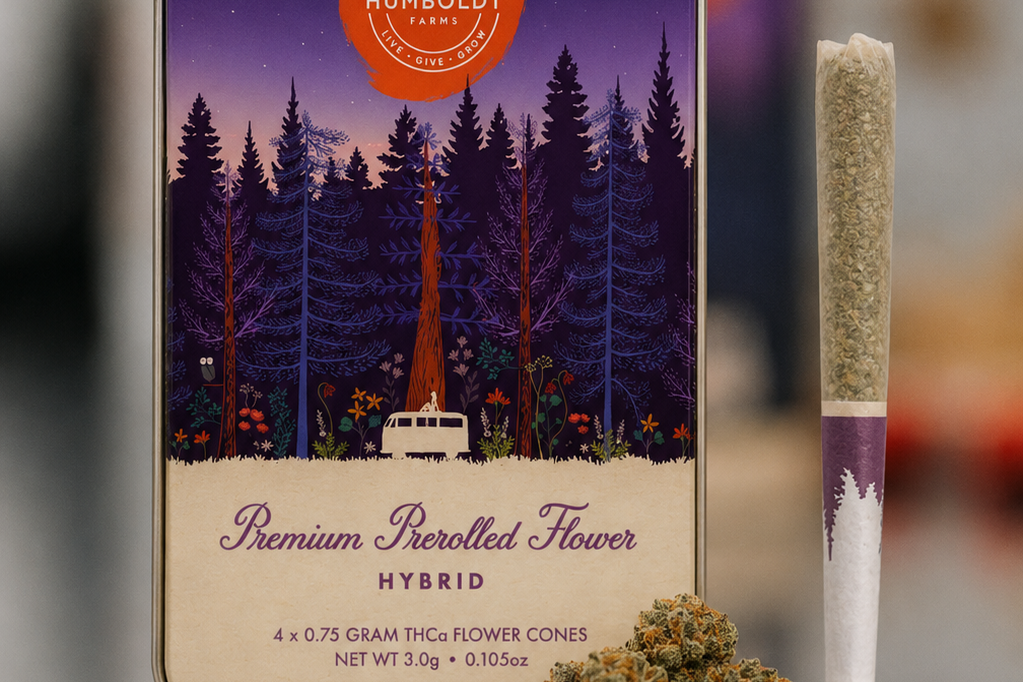
Why Premium Pre-Rolls Are Becoming the Preferred Choice for Modern Consumers
Not everyone wants to grind flower, pack cones, or spend time preparing for…

May 26, 2026
Dr. Chris Croley: Elevating Aesthetics with Authority, Heart, and Innovation
Introduction: A New Chapter Begins In June 2025, aesthetic medicine gained a…
May 20, 2026
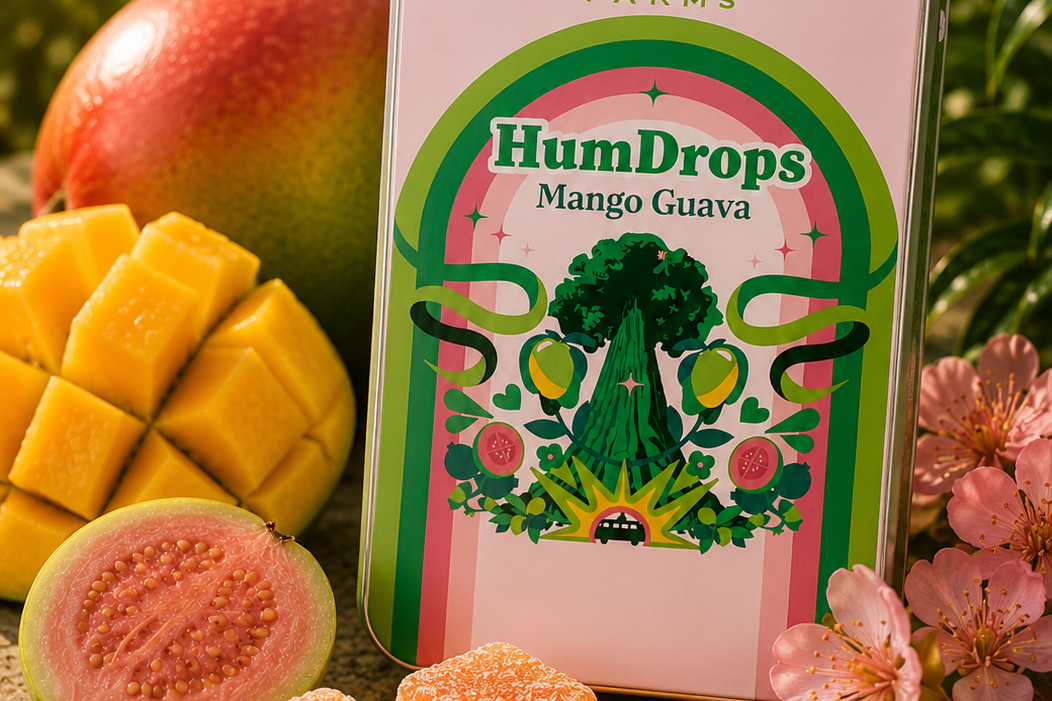
Why More Adults Are Choosing Mango Guava Gummies Instead of Alcohol to Unwind
For decades, unwinding after a long day usually meant pouring a glass of wine,…