

The New Era of Intelligent Drinking — How Technology, Culture, and Consciousness Will Redefine Wine in 2026
For centuries, wine has been associated with tradition, ritual, and refinement. Grapes, terroir, history, and craftsmanship have long defined the world of winemaking. But as society shifts toward technology integration, conscious consumption, and personalized experience, wine is entering a quiet yet radical transformation.
By 2026, the wine industry will no longer be shaped purely by old-world prestige and familiar regions. Instead, it will be driven by a new generation of makers, thinkers, and drinkers who view wine not only as a beverage, but as an experience — intelligent, ethical, personal, and purposeful.
This is not the end of tradition.
It is the evolution of it.
Wine Industry Trends to Watch in 2026
The future of wine won’t be about drinking more — it will be about drinking smarter.
1. Precision Winemaking
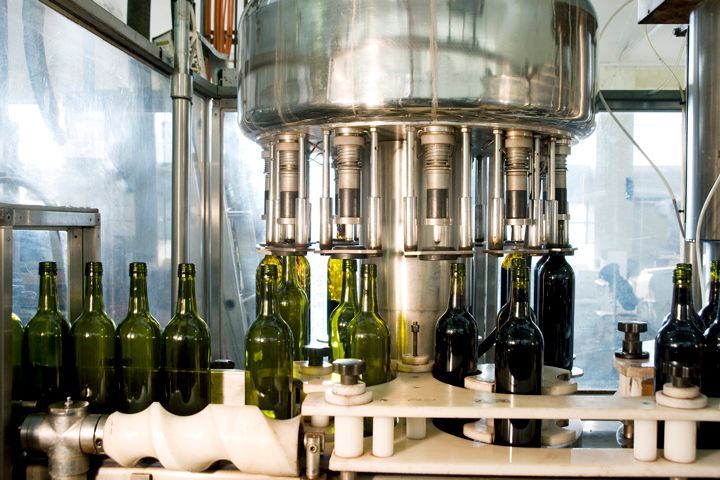
By 2026, data will play a powerful role in how wine is created. Precision winemaking will use advanced analysis tools to measure soil conditions, grape health, weather patterns, fermentation cycles, and flavor development in real time.
This means:
-
More consistency in quality
-
Reduced waste in production
-
Lower environmental impact
-
Greater control over taste profiles
Winemakers will no longer rely only on intuition. They will combine craftsmanship with intelligent systems for improved precision.
2. Micro-Batch and Hyper-Local Wines
Rather than massive, globally-distributed vintage runs, the future favors micro-batch, limited-production wines with strong regional identity.
These wines will be:
-
Produced in small quantities
-
Tied closely to specific landscapes
-
Available only in select places or online drops
-
Collected as experiences, not commodities
Consumers will care more about the story of a single vineyard than the label of an international giant.
3. Climate-Adapted Grape Varieties
As the planet changes, so will what can be grown — and where. By 2026, climate-adapted grape varieties will begin to emerge as dominant players in the global wine market.
Winemakers will experiment with:
-
Heat-resistant grapes
-
Drought-tolerant vines
-
New hybrid varieties
-
Unconventional growing regions
-
Sustainable water practices
New wine hotspots will rise in unexpected places, redefining what is considered a “classic” wine region.
4. Functional and Mood-Based Wines
Wine will no longer only be judged by flavor — it will be connected to feeling.
By 2026, brands will introduce wines designed for specific moods and occasions:
-
Relaxation
-
Creativity
-
Deep conversation
-
Celebration
-
Romance
-
Reflection
Through natural infusions, fermentation techniques, and flavor engineering, consumers will select wine based on emotion, not just pairing.
5. Digital-First Wine Culture
Wine culture will move heavily online. Tastings, vineyard tours, memberships, and education will increasingly take place in digital spaces.
Expect:
-
Virtual vineyard experiences
-
Online sommelier sessions
-
Interactive storytelling labels
-
NFT or digital proof of authenticity
-
Blockchain-powered collections
Wine will be both physical and digital at the same time.
How to Apply These Trends Strategically
For entrepreneurs, creators, and brands in the wine world, the opportunity lies not in tradition alone — but in innovation that respects it.
1. Focus on Story, Not Size
Smaller vineyards and independent producers will outperform mass-market brands when their stories are told effectively.
Your advantage isn’t volume — it’s:
-
Authenticity
-
Place
-
Passion
-
Philosophy
-
Vision
Market the journey, not just the bottle.
2. Appeal to Conscious Consumers
The next generation of wine lovers will demand:
-
Environmental responsibility
-
Transparent sourcing
-
Ethical labor practices
-
Minimal chemical interference
Those who honor the land will win loyalty.
3. Use Technology Without Losing Soul
Technology should support the craft, not erase it.
Use data for precision, marketing platforms for visibility, and digital experiences for education — but keep your winemaking process rooted in humanity.
The blend of old soul + new science is powerful.
4. Educate Instead of Selling
People want to feel like insiders, not buyers. Brands that teach about:
-
Terroir
-
Seasons
-
Tasting notes
-
Cultivation
-
Aging
Will build deeper community bonds and long-term fans, not one-time customers.
5. Turn Wine Into an Experience
Wine should not be sold as a product but as a doorway into sensation:
-
Pair it with music
-
Pair it with art
-
Pair it with memory
-
Pair it with storytelling
Create moments, not transactions.
Conclusion: Wine Will Become Personal Again
Technology has made many industries impersonal — mass-produced, rushed, and disconnected. Ironically, it will do the opposite for wine.
By 2026, wine will be more personal, more intentional, more emotional, and more experiential than ever before.
It will be local. It will be unique. It will be conscious.
Not consumed to escape life — but to deepen it.
The next chapter of wine isn’t about status.
It’s about meaning in a glass.
Related Posts
January 16, 2026
The Wine Industry in 2026: Why Supply Chain Control Is Becoming a Competitive Advantage
For much of modern wine history, supply chains were treated as background…
January 15, 2026
The Wine Industry in 2026: Why Pricing Transparency Is Reshaping Consumer Trust
For much of its history, the wine industry relied on mystique. Pricing was…
January 14, 2026
The Wine Industry in 2026: How Functional Wine Is Changing Consumer Expectations
For centuries, wine has been associated with tradition, celebration, and…