

The Quiet Revolution in Wine: How Precision, Provenance, and Purpose Are Reshaping the Industry in 2026
The wine industry has always balanced tradition with innovation, but in 2026 that balance is shifting more decisively than ever before. While vineyards still honor centuries-old practices, modern wine producers are quietly transforming how wine is grown, made, marketed, and experienced.
This transformation isn’t loud or disruptive. Instead, it’s defined by precision, provenance, and purpose — a new philosophy shaping the future of wine across regions and price points.
Wine Industry Trends to Watch in 2026
1. Precision Viticulture Goes Mainstream
Precision agriculture is no longer reserved for elite estates. In 2026, vineyards of all sizes are using data-driven tools to fine-tune every stage of grape growing.
Key developments include:
-
microclimate mapping across vineyard blocks
-
soil moisture and nutrient sensors
-
AI-guided irrigation decisions
-
yield forecasting with predictive models
These tools allow winemakers to make smaller, smarter interventions — improving grape quality while reducing waste and environmental strain.
2. Provenance Becomes a Primary Value Driver
Consumers are increasingly interested in where wine comes from, not just how it tastes.
In 2026, provenance means:
-
transparent vineyard sourcing
-
clear sub-appellation labeling
-
storytelling tied to place
-
traceability from vine to bottle
Wineries that communicate a strong sense of place create deeper emotional connections and command stronger brand loyalty.
3. Lower-Intervention Winemaking Evolves
Natural and low-intervention wines are maturing beyond novelty status.
Instead of rejecting technology, modern low-intervention producers use:
-
gentle automation
-
precision fermentation control
-
selective use of native yeasts
-
careful oxygen management
The result is wine that expresses terroir while maintaining consistency and quality.
4. Direct-to-Consumer Channels Dominate Growth
Traditional distribution models continue to shrink.
In 2026, wineries prioritize:
-
wine club memberships
-
allocation lists
-
virtual tastings
-
limited online releases
Direct relationships allow producers to control pricing, storytelling, and customer experience.
5. Sustainability Shifts from Marketing to Mandate
Environmental responsibility is no longer optional.
Leading wineries are:
-
reducing water usage
-
regenerating soil health
-
lowering packaging emissions
-
measuring carbon impact
Sustainability is now a baseline expectation rather than a premium feature.
How Wine Brands Can Apply These Trends Strategically
1. Use Data to Enhance — Not Replace — Craft
Precision tools should support intuition, not override it.
Winemakers can:
-
validate sensory decisions with data
-
identify risks earlier
-
improve consistency without sacrificing character
Technology becomes an ally to craftsmanship.
2. Build a Strong Sense of Place
Invest in storytelling that highlights:
-
vineyard history
-
regional climate
-
soil composition
-
seasonal variation
Consumers don’t just buy wine — they buy meaning.
3. Modernize Without Losing Identity
Innovation should feel invisible.
Adopt tools that:
-
reduce labor strain
-
improve quality control
-
enhance sustainability
All while preserving the winery’s unique voice.
4. Strengthen Direct Relationships
Use digital channels to:
-
educate customers
-
offer behind-the-scenes access
-
reward loyalty
Connection creates resilience in uncertain markets.
5. Treat Sustainability as a Long-Term Strategy
Go beyond certifications.
Measure impact, set goals, and communicate progress transparently. Trust builds brand equity over time.
Conclusion
In 2026, wine’s future is being shaped quietly but deliberately. Precision viticulture, authentic provenance, and purposeful practices are redefining what quality means. The wineries that thrive will be those that embrace innovation thoughtfully — enhancing tradition rather than replacing it.
Wine remains an art, but it is increasingly guided by insight, intention, and responsibility.

Related Posts
January 16, 2026
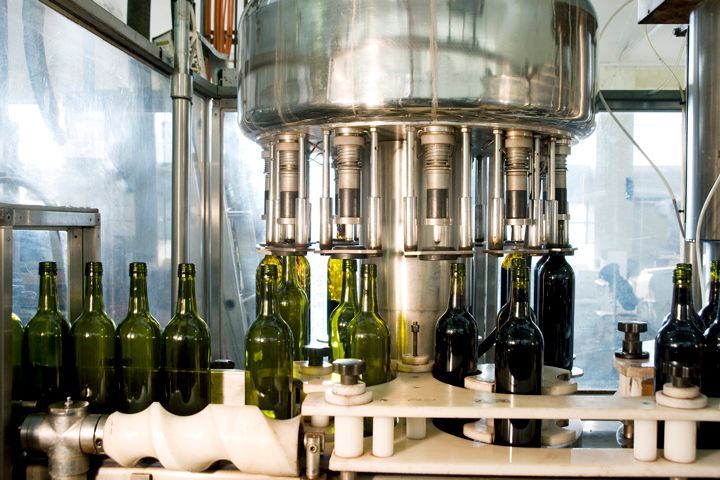
The Wine Industry in 2026: Why Supply Chain Control Is Becoming a Competitive Advantage
For much of modern wine history, supply chains were treated as background…
January 15, 2026
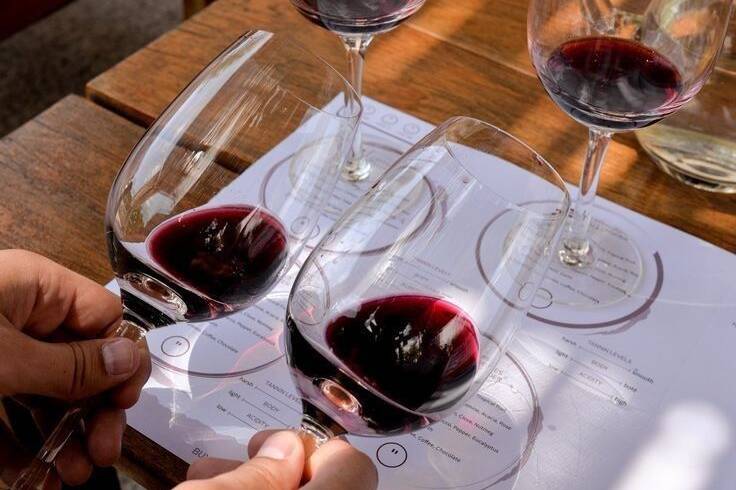
The Wine Industry in 2026: Why Pricing Transparency Is Reshaping Consumer Trust
For much of its history, the wine industry relied on mystique. Pricing was…
January 14, 2026
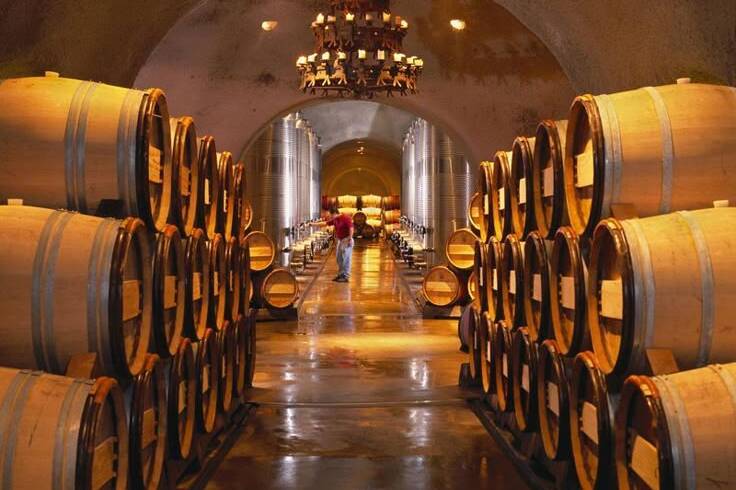
The Wine Industry in 2026: How Functional Wine Is Changing Consumer Expectations
For centuries, wine has been associated with tradition, celebration, and…