
The Rise of Invisible Tech — When the Best Systems Disappear in 2026

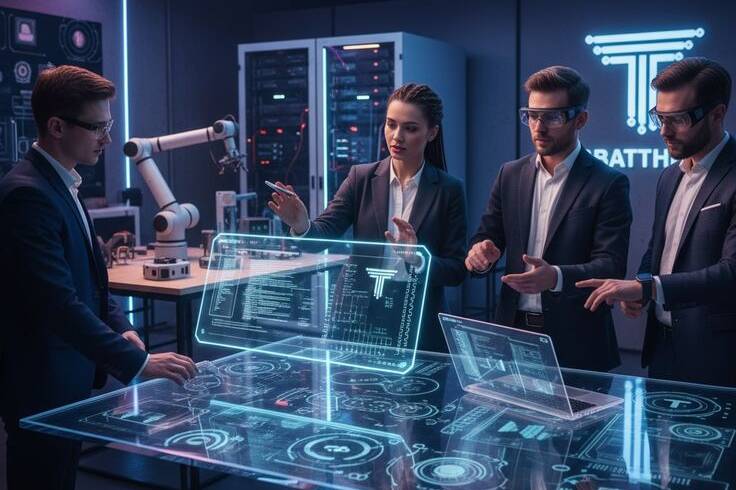
For much of the last decade, technology innovation was highly visible. New dashboards, feature-heavy platforms, constant notifications, and complex user interfaces signaled progress. In 2026, that paradigm is quietly reversing. The most effective technology is no longer the most noticeable. It is the least intrusive.

Businesses are now investing in invisible technology—systems that work seamlessly in the background, reduce cognitive load, and eliminate friction without demanding attention. This shift reflects a broader realization: productivity does not improve when users interact with more tools, but when technology removes the need for interaction altogether.


Technology Trends to Watch in 2026

1. Ambient Computing Environments

Workflows are increasingly supported by systems that respond automatically to context. Software anticipates needs based on behavior, timing, and historical patterns, rather than explicit user input.

2. Interface Reduction, Not Expansion

Instead of adding features, product teams are aggressively removing them. Clean interfaces with fewer decision points are outperforming feature-rich platforms in adoption and retention.

3. Event-Driven Architecture

Modern systems react to triggers rather than commands. When an event occurs—such as a sale, system change, or customer action—processes activate automatically without human intervention.

4. Embedded Intelligence

AI and analytics are being embedded directly into workflows rather than delivered through standalone tools. Insights appear only when relevant, then disappear.

5. Attention as a Scarce Resource

Companies are treating user attention as a finite asset. Technology strategies now prioritize minimizing interruptions, alerts, and unnecessary interactions.


How to Apply These Trends Strategically

Audit Interaction Overload

Map every point where users must click, decide, approve, or respond. Eliminate steps that do not meaningfully improve outcomes.

Design for Default Actions

Build systems where the optimal action happens automatically unless intervention is required. Defaults should reflect best practices.

Shift From Dashboards to Signals

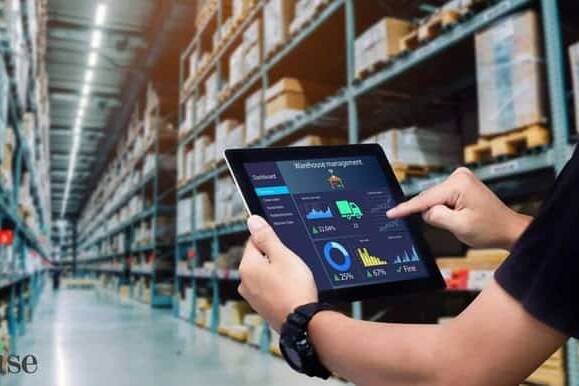
Replace constant monitoring with exception-based alerts that surface only when thresholds are crossed.

Integrate Intelligence Into Workflow

Ensure insights appear at the moment of decision, not in separate tools that require context switching.

Measure Success by Absence

Track reductions in time spent, clicks required, and interruptions generated—not just feature usage.


Conclusion

In 2026, the most powerful technology does not demand attention—it earns trust by staying out of the way. Invisible systems allow people to focus on judgment, creativity, and strategy rather than tool management.

As businesses face increasing complexity, the competitive edge will belong to those who design technology that simplifies rather than amplifies noise. The future of innovation is not louder or flashier. It is quieter, calmer, and far more effective.

Related Posts

Privacy Preference Center