

The Wine Industry in 2026: How Scarcity, Storytelling, and Direct Relationships Are Redefining Value
The global wine industry is undergoing a quiet but profound transformation. While production techniques continue to evolve, the real shift in 2026 is happening at the intersection of scarcity, storytelling, and direct consumer relationships.
As younger buyers redefine luxury and traditional distribution channels lose influence, wineries are discovering that value is no longer driven solely by appellation or critic scores. Instead, it is shaped by how limited a wine feels, how authentic its story is, and how directly producers engage their audience.
Wine Industry Trends to Watch in 2026
1. Intentional Scarcity Over Volume Growth
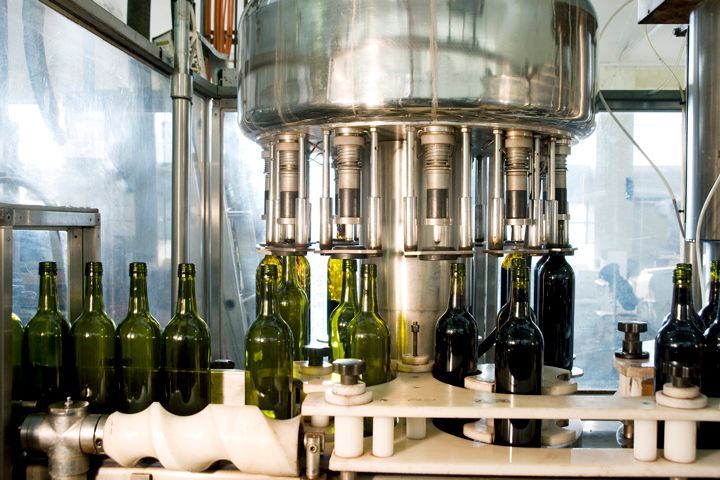
Rather than chasing scale, many wineries are intentionally limiting production to preserve quality, exclusivity, and pricing power.
2. Direct-to-Consumer as a Core Strategy
DTC sales are no longer supplemental—they are central. Wineries are building owned channels that deepen loyalty and improve margins.
3. Narrative-Driven Wine Brands
Consumers increasingly connect with the people, places, and philosophies behind wines, not just tasting notes.
4. Experience as a Differentiator
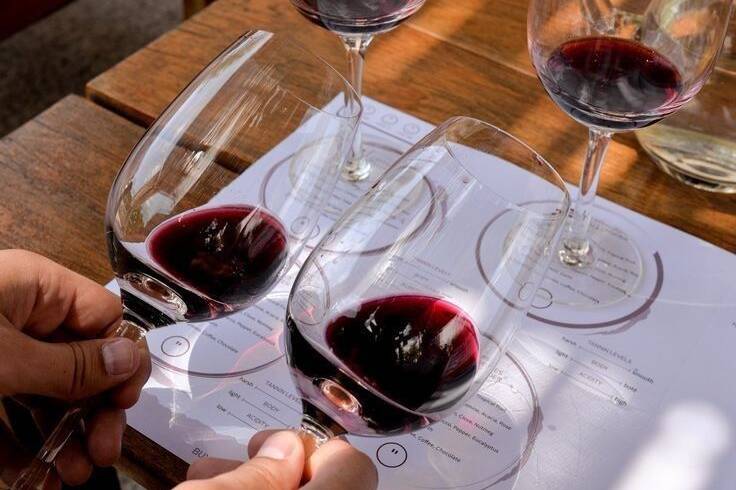
Tastings, vineyard stays, and curated events are becoming critical touchpoints that turn customers into advocates.
5. Transparency in Farming and Production
Buyers expect clarity around sourcing, sustainability, and craftsmanship, rewarding producers who communicate openly.
How to Apply These Trends Strategically
Design Scarcity Thoughtfully
Limited releases should be purposeful, not artificial. Align scarcity with genuine production constraints and quality standards.
Own the Customer Relationship
Invest in wine clubs, email marketing, and personalized outreach to build long-term relationships beyond the tasting room.
Tell Human Stories
Highlight growers, winemakers, and heritage. Authentic narratives build emotional connections that justify premium pricing.
Create Memorable Experiences
Design tastings and events that educate, inspire, and connect guests to the land and the wine.
Use Data Without Losing Soul
Leverage customer insights to personalize communication while preserving craftsmanship and authenticity.
Conclusion
In 2026, wine is no longer just a product—it is a relationship. Wineries that embrace scarcity, communicate their stories effectively, and engage directly with consumers are redefining value in a competitive market.
The future belongs to producers who understand that the most powerful ingredient in wine is not found in the vineyard, but in the connection forged with the people who drink it.
Related Posts
January 16, 2026
The Wine Industry in 2026: Why Supply Chain Control Is Becoming a Competitive Advantage
For much of modern wine history, supply chains were treated as background…
January 15, 2026
The Wine Industry in 2026: Why Pricing Transparency Is Reshaping Consumer Trust
For much of its history, the wine industry relied on mystique. Pricing was…
January 14, 2026
The Wine Industry in 2026: How Functional Wine Is Changing Consumer Expectations
For centuries, wine has been associated with tradition, celebration, and…


