

Wine 2026: A New Era of Smart Pairings, Micro-Terroirs & Global Palate Shifts
The wine industry is entering an age of personalization, scientific discovery, and cultural diversification. Global drinkers are demanding new flavor experiences, traceability, and deeper connections with the regions and people behind their bottles.
In 2026, the focus isn’t just on vineyards and production — it’s on understanding taste profiles, micro-terroirs, and global drinking culture in ways unimaginable a decade ago.
Wine Trends to Watch in 2026
1. Micro-Terroir Mapping
Advanced soil analytics and microscopic plant monitoring allow winemakers to separate vineyards into ultra-specific micro-terroirs.
These variations produce:
-
more expressive single-parcel wines
-
ultra-limited releases
-
higher precision in flavor profiles
This trend caters to connoisseurs seeking exclusivity and purity of expression.
2. Global Palate Diversification
Wine drinkers in 2026 aren’t following old-world vs. new-world binaries.
Trending wine preferences include:
-
lower-alcohol styles
-
aromatic whites
-
indigenous varietals
-
skin-contact wines
-
dessert wines making a comeback
Emerging regions from Eastern Europe, South America, and Southeast Asia are experiencing growing global recognition.
3. Flavor Science in Winemaking
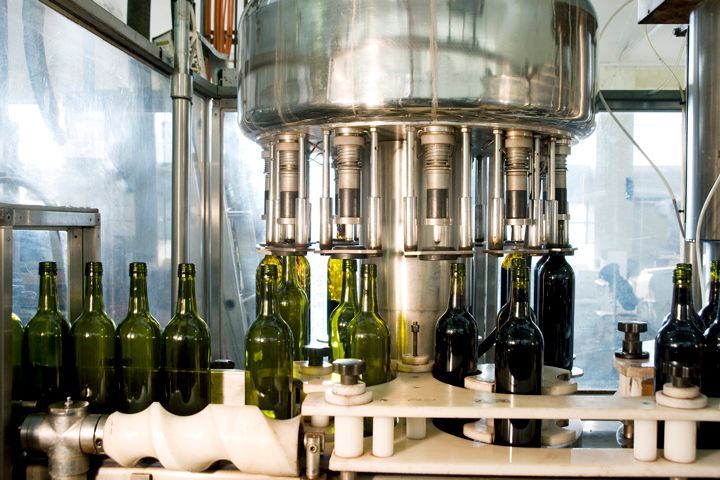
Researchers now use molecular sensory science to refine fermentation, aging, and blending techniques.
Benefits:
-
more stable flavors
-
longer shelf life
-
reduced spoilage
-
precise aroma shaping
This leads to wines designed for specific profiles — fruity, floral, mineral-driven, or spice-forward.
4. Non-Alcoholic Wine Reinvented
The no-alcohol category is no longer an afterthought.
By 2026, advanced vacuum distillation and flavor-retention technologies create non-alcoholic wines nearly identical to traditional styles.
The market is booming due to health-conscious consumers and luxury hospitality offerings.
5. Smart Pairing Technology
Apps and restaurant systems now use AI to match dishes with ideal wine pairings based on flavor chemistry—not outdated pairing rules.
This creates:
-
personalized dining experiences
-
better home cooking pairings
-
improved restaurant upsells
How to Apply These Trends Strategically
-
Highlight micro-terroirs in marketing and storytelling.
-
Release smaller, experimental productions to satisfy adventurous drinkers.
-
Leverage flavor science to refine product consistency.
-
Invest in premium non-alcoholic lines.
-
Partner with smart pairing platforms to expand visibility.
Conclusion
2026 is a landmark year for wine evolution. From scientific breakthroughs to adventurous global palates, wine is becoming more inclusive, expressive, and technologically refined. Wineries that innovate while honoring tradition will shape the next generation of wine excellence.
Related Posts
January 16, 2026
The Wine Industry in 2026: Why Supply Chain Control Is Becoming a Competitive Advantage
For much of modern wine history, supply chains were treated as background…
January 15, 2026
The Wine Industry in 2026: Why Pricing Transparency Is Reshaping Consumer Trust
For much of its history, the wine industry relied on mystique. Pricing was…
January 14, 2026
The Wine Industry in 2026: How Functional Wine Is Changing Consumer Expectations
For centuries, wine has been associated with tradition, celebration, and…


