

Introduction: A Changing Wine World
Wine has always been about more than what’s in the glass. It reflects culture, climate, and the way we live. In 2025, the wine industry is going through some big changes. Climate pressures, shifting consumer values, and new technology are reshaping how wine is made and how it’s enjoyed.
Last year, global production dropped to its lowest point in more than 60 years. At the same time, new drinking habits and creative winemakers are bringing fresh energy to the scene. People are drinking less, but they’re drinking better. They’re asking where wine comes from, how it’s made, and what it stands for.
Let’s explore the top wine trends you’ll notice in 2025.
1. Premiumization: Choosing Less, But Better
One of the clearest shifts happening is that people are buying fewer bottles, but they’re choosing better ones. Instead of grabbing three $10 bottles, many shoppers are picking up one $30 bottle that feels special and delivers a real experience.
Studies show that premium wines are the only category expected to grow in the next few years. This tells us something important: wine lovers are willing to pay more when the quality, story, and craftsmanship are there.
2. Mindful Drinking: Low and No-Alcohol Wines
Health and wellness are at the heart of another major trend. More people are exploring wines that are lower in alcohol, or completely alcohol-free. This doesn’t mean they’re stepping away from wine altogether. Instead, they want the ritual, the flavor, and the social aspect without the buzz.
Sales of no- and low-alcohol beverages are climbing quickly, and younger generations are driving this growth. Winemakers are getting better at creating bottles that taste just as complex and enjoyable as traditional wines. From sparkling rosés to elegant reds, these alternatives are becoming a normal part of the wine aisle.
3. Sustainable Packaging: Rethinking the Bottle
Walk through a wine shop today and you’ll notice more variety in packaging. Wine no longer lives only in heavy glass bottles. You’ll find sleek cans, stylish boxes, and lighter bottles that are designed to lower carbon emissions.
This shift isn’t just about convenience. It’s about sustainability. Aluminum cans are fully recyclable, boxed wine reduces waste, and lightweight bottles make shipping greener. A few years ago, these formats were seen as “cheap.” Now they’re a smart choice for eco-conscious drinkers who still care about quality.
Photo Placeholder: Mixed wine packaging (cans, box, lightweight glass).Alt text: Assorted eco-friendly wine packaging formats displayed on neutral background.

4. Climate Challenges and Regenerative Viticulture
Climate change is impossible to ignore in the wine world. Weather extremes, heat waves, and disease pressures pushed global production in 2024 to its lowest level in over six decades.
In response, many winemakers are embracing regenerative farming. This approach goes beyond “sustainability” and focuses on restoring the land. Vineyards are planting cover crops, welcoming sheep to graze between rows, and increasing biodiversity. These practices strengthen the soil, reduce erosion, and make vineyards more resilient.
It’s also becoming part of the storytelling. When you pick up a bottle, you’re not just tasting wine, you’re tasting a farm’s commitment to a healthier planet.
5. Tech in the Vineyard: Drones, Sensors, and AI
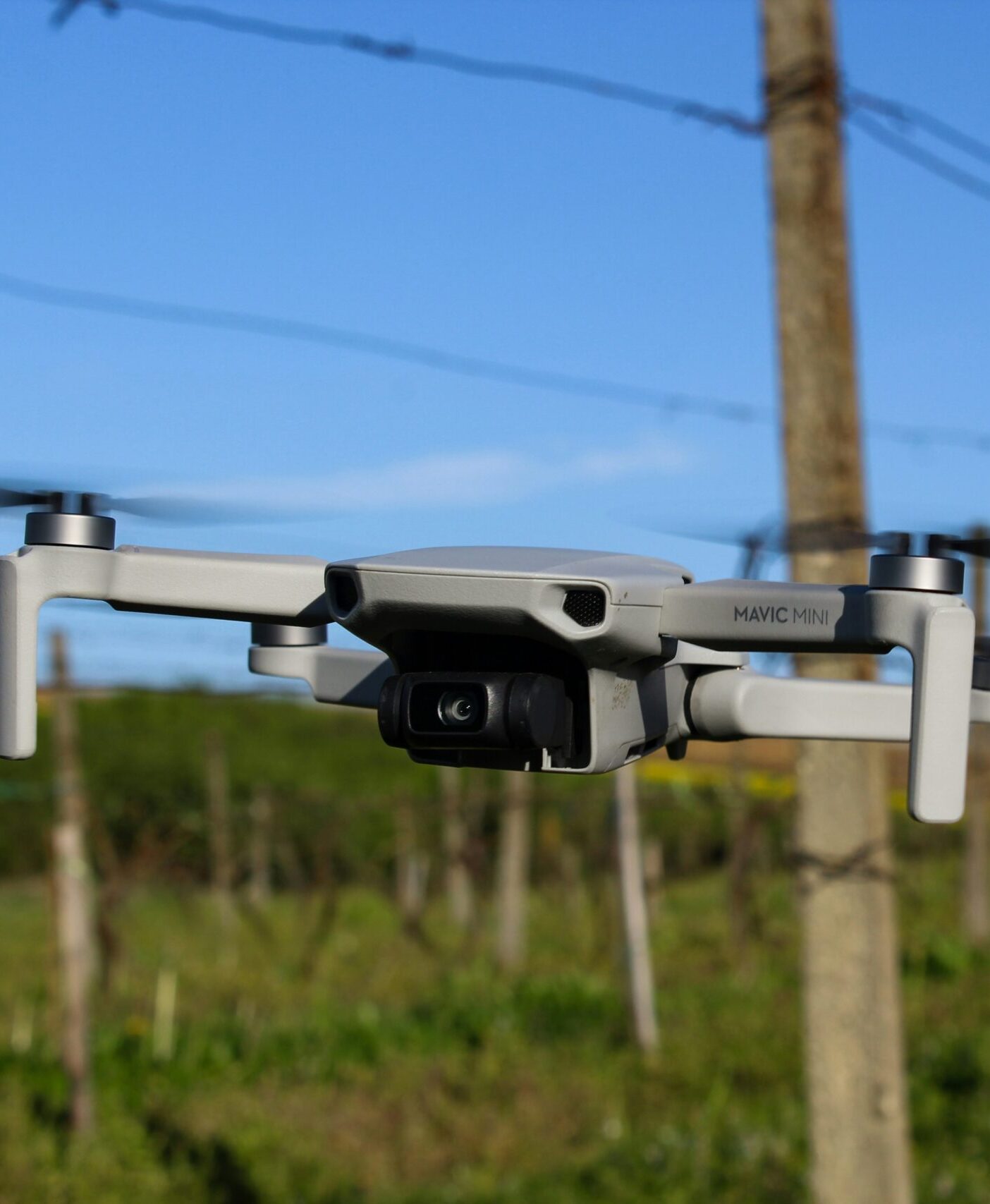
Technology is transforming vineyards in ways that would have seemed futuristic just a decade ago. Today, drones fly over vines, capturing images that help predict yields. Smart sensors in the soil track moisture and temperature. Even tractors are becoming autonomous, driving themselves through vineyards to save time and reduce costs.
These tools help farmers protect their vines while using fewer resources. They also make it possible to react quickly to disease or drought. For wine lovers, that means more stable harvests and better wines on the table.

6. Sparkling Wines: Beyond Champagne
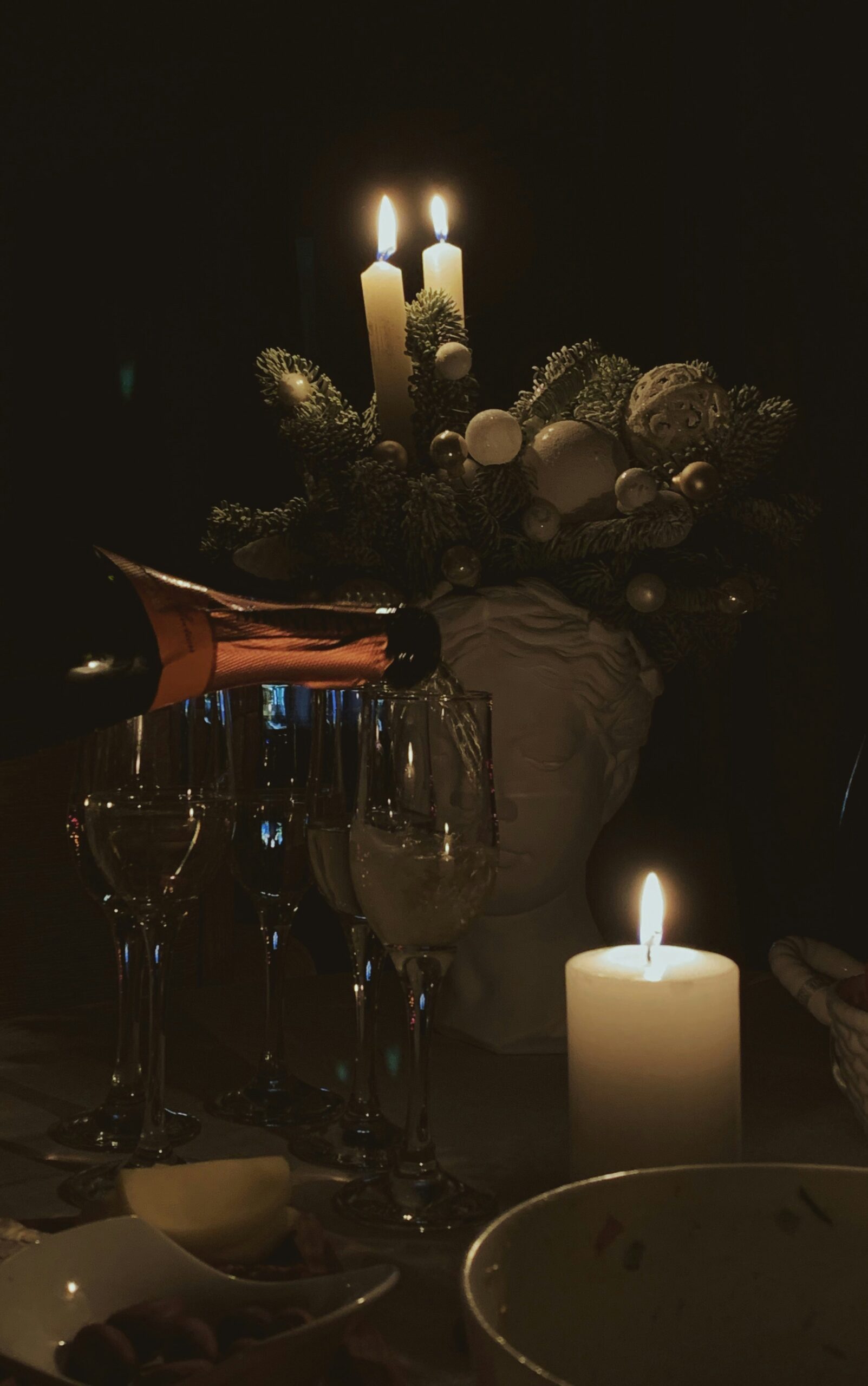
Champagne will always have its place, but drinkers are opening their eyes to other sparkling options. Crémant from France, Cava from Spain, and even English sparkling wines are gaining fans around the world.
The big shift is that sparkling wine is no longer reserved for birthdays or weddings. People are pouring bubbles on a Tuesday night with pizza or opening a bottle just to celebrate the little moments. It’s become an everyday luxury that feels festive but also accessible.
7. Rethinking Direct-to-Consumer Wine
During the pandemic, direct-to-consumer wine sales exploded as people ordered bottles straight to their doors. But in 2024, this trend slowed down for the first time in years. Sales dropped in both volume and value, which is pushing wineries to rethink the way they connect with customers.
Now, it’s less about shipping boxes of wine and more about building relationships. Wine clubs are becoming more personalized. Tasting rooms are offering immersive experiences. And digital tools, like apps and virtual tastings, are helping wineries create real communities around their labels.

8. Discovery and Emerging Wine Regions
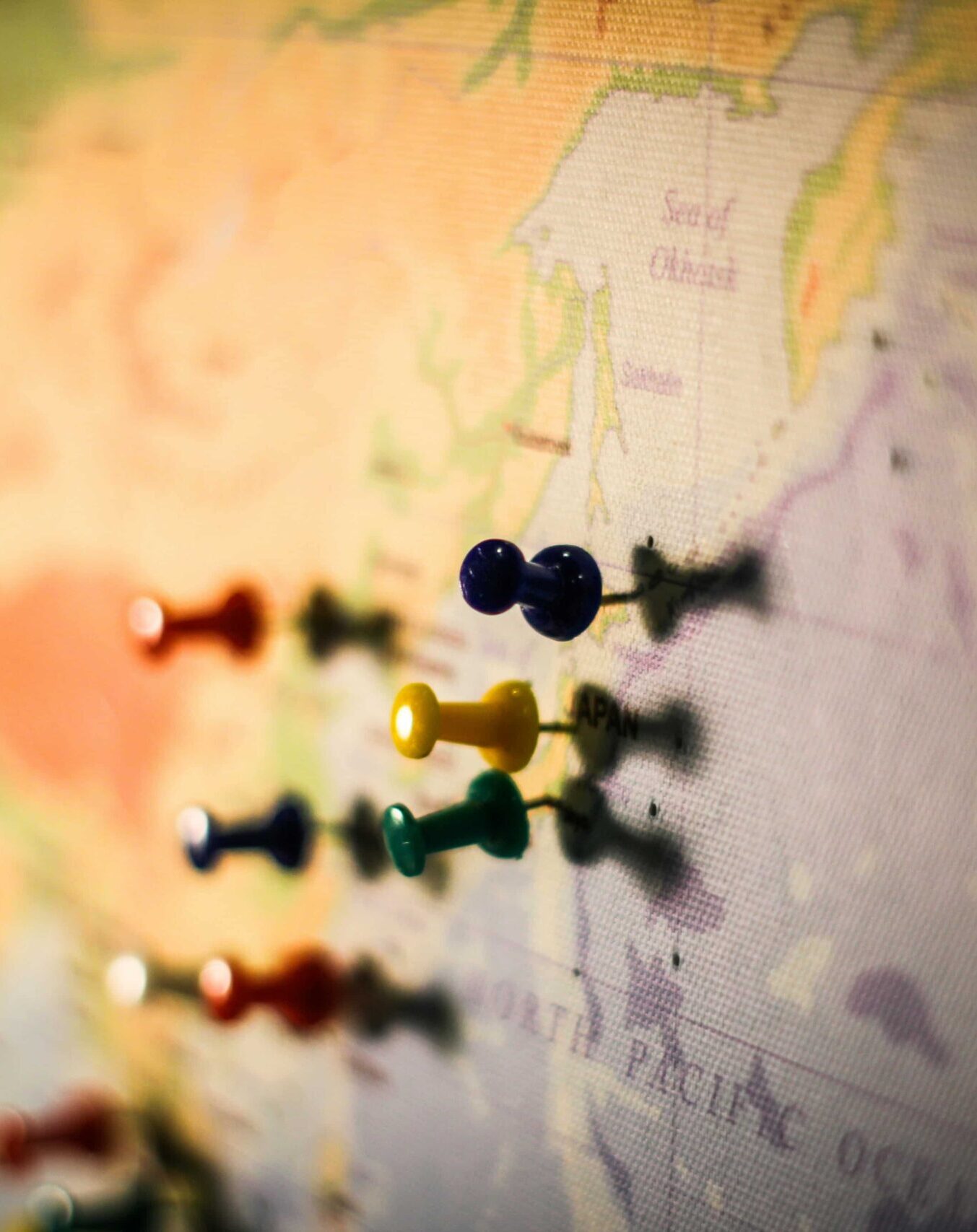
Finally, 2025 is shaping up to be a year of exploration. Many drinkers are venturing beyond familiar regions like France and California. They’re discovering exciting bottles from Portugal, Greece, Austria, and Argentina. Natural wine styles, such as orange wines and amphora-aged reds, are also capturing attention.
This trend is driven by curiosity as much as by budget. Wine lovers want something new, something that feels like a hidden gem. These regions and styles often offer fantastic value, proving that you don’t need to spend a fortune to enjoy something unique and memorable.
Conclusion: Wine in 2025 is About Connection
The future of wine isn’t just about what’s in the glass. It’s about the choices behind it. From premium bottles and mindful drinking to eco-friendly packaging and high-tech farming, every trend points to one thing: connection.
People want to connect with the land, with the story, and with each other. Wine is becoming less about tradition for tradition’s sake and more about meaning. Whether you’re sipping bubbles on a weeknight, trying a zero-alcohol bottle, or exploring a vineyard that farms regeneratively, wine in 2025 is about drinking with purpose.
Related Posts

The Subscription Economy: Why Recurring Revenue Is Transforming Businesses in 2026
For decades, many businesses relied on one-time sales as their primary…

The Experience Economy: Why Businesses That Sell Experiences Will Win in 2026
For decades, businesses competed primarily by selling products. Companies…

The Trust Economy: Why Reputation Is Becoming the Most Valuable Business Asset in 2026
In today’s digital economy, trust has become one of the most powerful forces…