


The Rise of Experience-Led Wineries in 2026
For decades, wine businesses competed primarily on the product itself—grape quality, appellation, vintage, and critic scores. In 2026, that model is no longer enough. As consumer preferences evolve and direct-to-consumer channels dominate, wineries are discovering that experience is becoming just as valuable as the wine in the bottle.
Experience-led wineries are designing immersive, memorable interactions that deepen emotional connection, increase lifetime value, and differentiate brands in a crowded market. Wine is no longer just sold; it is felt, remembered, and shared.
Wine Industry Trends to Watch in 2026
1. Destination-Centric Winery Design
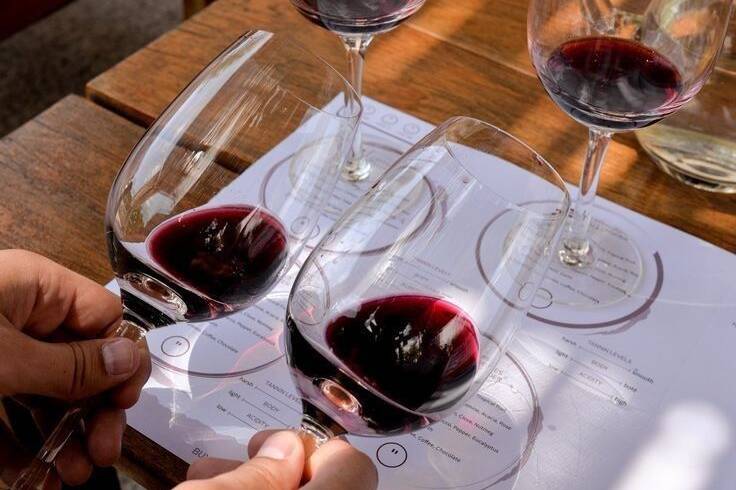
Tasting rooms are evolving into curated destinations, blending hospitality, art, food, and storytelling. The goal is to create moments worth traveling for—not just transactions.
2. Personalization Over Standard Tastings
Wineries are moving away from one-size-fits-all tasting flights. Customized experiences based on guest preferences, visit history, and purchasing behavior are becoming the norm.
3. Membership as an Experience Platform
Wine clubs are expanding beyond shipments to include private events, exclusive content, and behind-the-scenes access.
4. Digital Experience Extensions
Virtual tastings, exclusive livestreams, and members-only digital communities are extending the winery experience beyond physical visits.
5. Social Sharing by Design
Experiences are being intentionally crafted to encourage organic sharing, turning guests into brand advocates.
How to Apply These Trends Strategically
Design Experiences With Intent
Map the guest journey from first interaction to post-visit engagement. Every touchpoint should reinforce brand identity.
Invest in Hospitality Talent
Staff training in storytelling, service, and personalization delivers higher returns than facility upgrades alone.
Use Data to Deepen Relationships
Leverage CRM insights to tailor experiences and follow-up communications.
Expand Value Beyond the Bottle
Offer exclusive access, education, and community as part of the brand promise.
Measure Experience ROI
Track repeat visits, club retention, and referral rates—not just tasting room sales.
Conclusion
In 2026, wineries that succeed are those that understand wine is only part of what customers are buying. Experience creates meaning, loyalty, and differentiation that cannot be replicated at scale.
As competition increases and attention becomes scarce, experience-led wineries will stand out—not because they make more wine, but because they create deeper connections.
Related Posts
January 16, 2026
The Wine Industry in 2026: Why Supply Chain Control Is Becoming a Competitive Advantage
For much of modern wine history, supply chains were treated as background…
January 15, 2026
The Wine Industry in 2026: Why Pricing Transparency Is Reshaping Consumer Trust
For much of its history, the wine industry relied on mystique. Pricing was…
January 14, 2026
The Wine Industry in 2026: How Functional Wine Is Changing Consumer Expectations
For centuries, wine has been associated with tradition, celebration, and…


