

Wine in the Digital Cellar: How Technology Is Revolutionizing Viticulture and Tasting
Wine is one of humanity’s oldest crafts — a delicate balance of art, nature, and patience. Yet in 2026, this ancient tradition is meeting modern innovation. Across vineyards from Bordeaux to Barossa Valley, winemakers are turning to technology to refine every drop, from vine to glass.
Welcome to the digital cellar, where artificial intelligence, data analytics, and precision viticulture are reshaping how wine is grown, produced, and experienced. What was once guided purely by intuition and tradition is now being elevated by science, sustainability, and sensory technology — all while preserving the soul of winemaking.
1. The Smart Vineyard: Where Data Meets the Vine
Vineyards have become living laboratories. Equipped with sensors, drones, and satellite imaging, winemakers now collect real-time data on soil moisture, temperature, humidity, and even vine stress levels.
This technology-driven approach, known as precision viticulture, allows vintners to:
-
Monitor crop health remotely.
-
Predict optimal harvest times.
-
Reduce water and pesticide usage.
-
Optimize yield and quality while protecting biodiversity.
For example, wineries in Napa Valley use IoT soil sensors to measure hydration at different depths, ensuring that every vine gets just the right amount of water — no more, no less.
As one vintner put it:
“We’re not replacing the farmer’s intuition. We’re giving it superpowers.”
The result is a vineyard that’s smarter, more efficient, and more sustainable — one that balances technology with terroir.
2. AI in the Cellar: Precision Meets Palate
Once the grapes are harvested, the digital transformation continues inside the cellar. Artificial Intelligence (AI) is now being used to analyze fermentation data, predict flavor profiles, and even assist in blending decisions.
AI-driven platforms such as Tastry and WineGrapes AI analyze chemical compounds in wine to predict how certain blends will taste to different consumer demographics. This not only reduces trial and error but helps winemakers craft wines that resonate with evolving global palates.
In premium cellars, machine learning algorithms also track fermentation kinetics to maintain consistency, prevent spoilage, and improve efficiency.
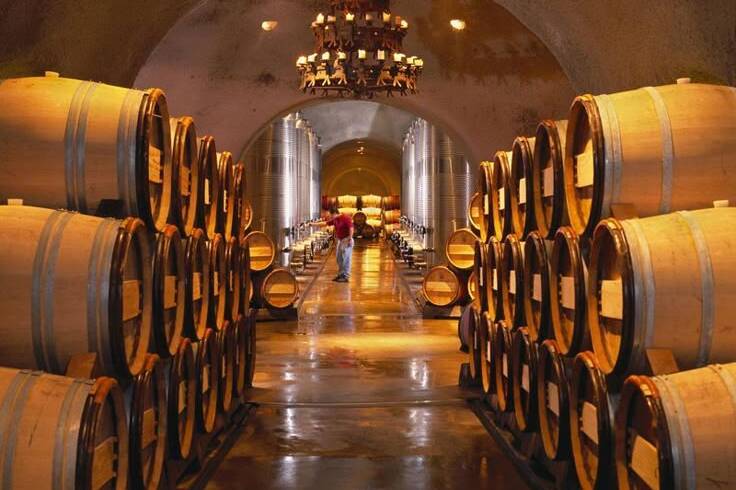
Tradition still reigns — but technology ensures every barrel meets perfection.
3. Blockchain and Authenticity: The Digital Passport of Wine
Counterfeiting is a billion-dollar problem in the global wine trade. Enter blockchain technology, which now serves as a digital ledger of authenticity.
Each bottle can carry a scannable QR code that traces its entire journey — from vineyard to distributor to consumer. This immutable record assures wine lovers and collectors that what they’re drinking is authentic, traceable, and ethically sourced.
Major wineries in France and Italy are already using blockchain-backed provenance systems, while digital platforms like Everledger and Cellr provide tamper-proof verification for rare vintages.
The benefit?
Transparency builds trust — and in luxury wine, trust is everything.
4. Virtual Tastings and the Rise of the Digital Sommelier
The tasting room has gone virtual. During the pandemic, wineries embraced online tastings — and in 2026, they’ve evolved into immersive digital experiences powered by augmented and virtual reality (AR/VR).
Imagine donning a VR headset and walking through a Tuscan vineyard while sipping the same vintage you see being harvested. Or using an AR app that identifies aromas and tasting notes in real time through your smartphone camera.
Meanwhile, AI-powered “digital sommeliers” like WineGPT and Vivino AI Recommender are transforming how people discover and buy wine. By analyzing personal taste preferences, purchase history, and flavor descriptors, these systems suggest wines that match your exact palate — no human sommelier required.
This fusion of AI and sensory design brings the romance of wine into the digital age, making expert-level tasting accessible to anyone, anywhere.
5. Sustainability Through Innovation
Sustainability is no longer optional — it’s the heartbeat of modern viticulture. And technology is leading the charge.
Solar-powered wineries, carbon-capture fermentation systems, and AI-optimized irrigation are helping reduce the industry’s environmental footprint.
Some vineyards even deploy robotic harvesters that minimize soil compaction and AI systems that monitor carbon emissions across the production chain.
The impact is clear: less waste, lower emissions, and better resource management.
In the digital cellar, sustainability isn’t just a principle — it’s precision-engineered.
6. The Evolving Consumer: Connected, Conscious, and Curious
Today’s wine consumers aren’t just drinkers — they’re digital explorers. They use apps like Vivino, Delectable, and Wine Searcher to research vintages, compare ratings, and even track sustainability credentials.
Social media, too, plays a major role. TikTok sommeliers and Instagram wine influencers are reshaping how people learn about wine — blending entertainment with education.
And in a world where consumers demand transparency, technology gives wineries a way to tell their story authentically — showing not just what’s in the bottle, but how it was made, who made it, and why it matters.
7. Tradition Meets Innovation
The best part of this digital evolution is that it doesn’t erase tradition — it enhances it. The artistry of winemaking remains deeply human. Technology simply provides the tools to make it more consistent, sustainable, and accessible.
Whether it’s a family-run vineyard in Spain using drones to monitor crops, or a cutting-edge Napa estate using AI to refine blends, both share a single mission: to honor the land while embracing the future.
In this harmony of old and new, the future of wine feels timeless.
Conclusion
The digital cellar represents a new era in winemaking — one defined by intelligence, authenticity, and connection.
Technology is not replacing the craft of wine; it’s enriching it. From smart vineyards and AI-guided cellars to blockchain authentication and virtual tastings, the wine industry is merging heritage with innovation in ways once unimaginable.
In 2026, the finest wines aren’t just aged in oak barrels — they’re aged in data, transparency, and human creativity.
And as winemakers continue to blend tradition with technology, one thing remains eternal: every great bottle still tells a story — now with a digital signature to match.
Related Posts
January 16, 2026
The Wine Industry in 2026: Why Supply Chain Control Is Becoming a Competitive Advantage
For much of modern wine history, supply chains were treated as background…
January 15, 2026
The Wine Industry in 2026: Why Pricing Transparency Is Reshaping Consumer Trust
For much of its history, the wine industry relied on mystique. Pricing was…
January 14, 2026
The Wine Industry in 2026: How Functional Wine Is Changing Consumer Expectations
For centuries, wine has been associated with tradition, celebration, and…